In brief
Kenya has confirmed its first Ebola outbreak with nine linked cases, all tracing back to a traveler from the Democratic Republic of Congo. Health officials say the virus has not yet spread beyond the initial contacts and that most infected people are responding well to treatment. The government has stepped up airport screening, border checks, and public education while maintaining no travel bans. International partners, including the WHO and Africa CDC, are providing support, and Kenya is tracking the situation as neighboring countries tighten surveillance.
Kenya is grappling with its first-ever Ebola outbreak, with nine confirmed cases—all linked to a single patient who traveled from the Democratic Republic of Congo and died two weeks ago. Four relatives, three health workers and a hospital cleaner have also tested positive, demonstrating the virus’s close‑to‑human transmission.
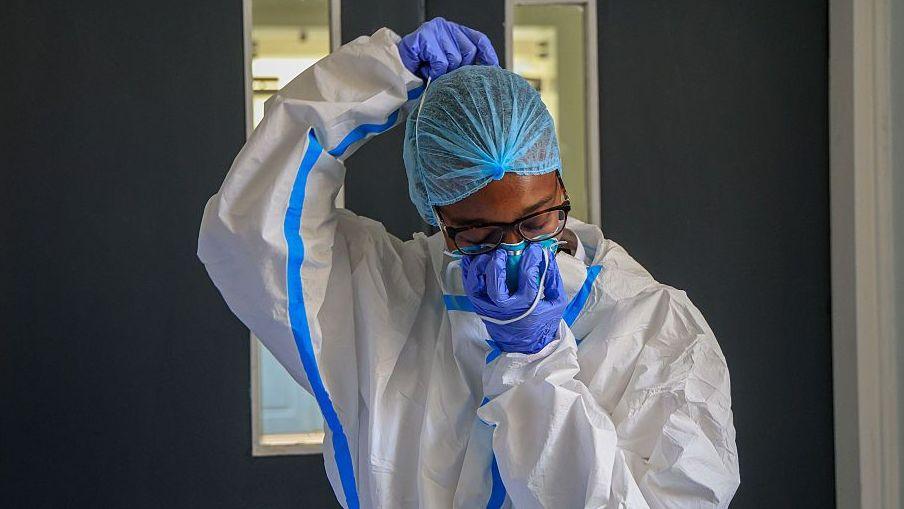
Health Director‑General Patrick Amoth reports that most patients are improving and that no new community spread has been detected so far. Nevertheless, authorities have enhanced screening at airports and border points, introduced digital surveillance forms for travellers from nine high‑risk African countries, and established a dedicated laboratory at Kenyatta National Hospital for rapid testing.
Of the 135 contacts traced, 134 remain in quarantine, a 99% isolation rate that the International Rescue Committee says keeps the virus from spreading further. The government has also trained nearly 5,000 healthcare workers and procured protective equipment, while urging the public to avoid stigma and to report symptoms promptly.
Despite the spread, Kenya has ruled out travel bans or lockdowns, and has kept trade and public gatherings open. The United States issued a travel advisory, while the UK and Canada have warned that visitors might face enhanced health screening.
Neighbouring countries—including Uganda, Ethiopia, Somalia and Tanzania—have tightened surveillance and, in some cases, imposed 21‑day monitoring for visitors from high‑risk areas. The situation remains under close observation with support from international agencies, although the prevalence of the Bundibugyo virus—rare and with no approved vaccine—adds to the urgency of containment.
While early indicators suggest the outbreak is under control, experts emphasize the importance of sustained contact tracing, border checks, and health worker protection to prevent potential flare‑ups.