In brief
Theoretical physicists and scientists reflect on alien life and its perspective on humanity. With escalating interest in UFOs and upcoming space explorations, the conversation surrounding extraterrestrial intelligence is more urgent than ever. The looming question: how might aliens perceive our conflicts and societal issues on Earth?
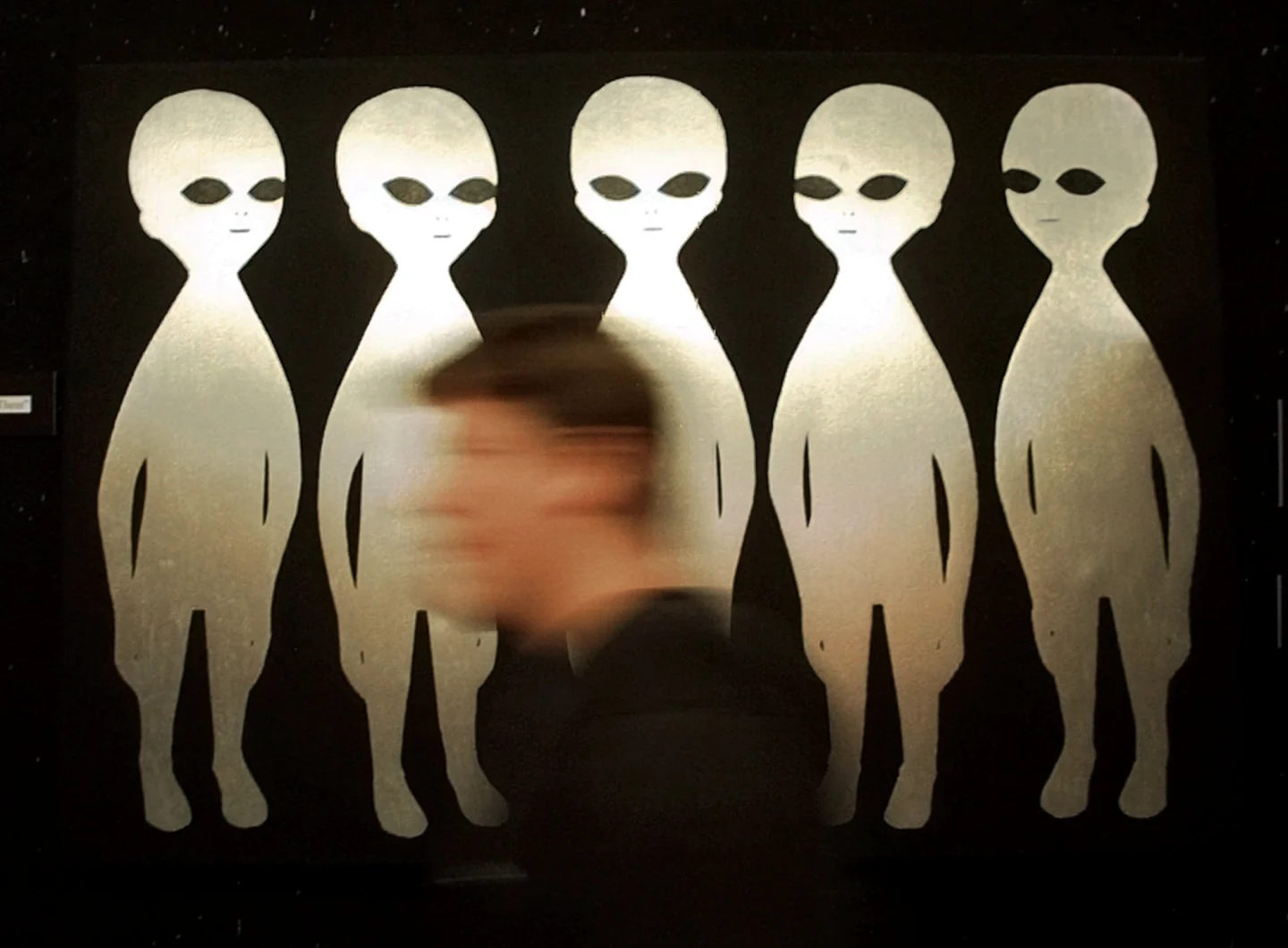
For generations, human beings have wondered: What would alien life from another planet be like? But we rarely ask the opposite: What would they think of us? This question can reveal startling truths for humanity.Theoretical physicist Avi Loeb expresses disappointment at what he perceives on Earth, highlighting humanity's conflicts, such as the ongoing war in Ukraine. That is not a sign of intelligence, he asserts.The discussion regarding extraterrestrial life heightened earlier this year when former President Barack Obama confirmed the existence of unidentified flying objects (UFOs), while President Donald Trump promised the release of government files related to alien phenomena. As the U.S. gears up for the launch of NASA’s Artemis II, which aims to explore the moon, curiosity about life beyond Earth intensifies. Dmytro’s experiences with unidentified flying objects question even the most rational minds: could they be advanced technologies? The likelihood that life developed elsewhere is fairly high, states University of Michigan's Astronomy Professor Edwin Bergin, contemplating if intelligent beings navigating vast distances would come to Earth. Individuals like Loeb suspect that possible extraterrestrial observers might monitor Earth's tumultuous activities, potentially to ensure humanity does not pose a threat. Amid discussions of national security, retired Rear Adm. Timothy Gallaudet emphasizes the importance of truth, suggesting that obtaining knowledge about unidentified aerial phenomena is crucial for humanity's safety. As excitement for deeper space exploration grows, the contemplation of alien perspectives reveals more about ourselves than we might wish to confront.