In brief
While the French government points at far‑left groups, students and ordinary citizens see the violence as a symptom of wider discontent at rising living costs and a broken system. The riots prompted calls for a parliamentary inquiry, police reviews and a discussion of how social media may have amplified the unrest. New leaders such as Marine Le Pen and Jean‑Luc Mélenchon are already weighing the political fallout ahead of next year’s election.
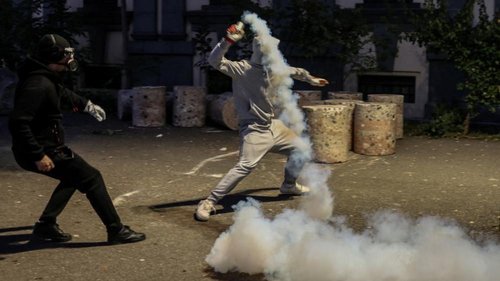
On Saturday, anger erupted into violence as crowds in Paris stormed shops, set fires, and vandalised police vehicles, sending the capital into a state of emergency.
Locals in the street said they were not the “others” the media paint France as. One woman, Elisabeth, tear‑gasping through cracked glass, dismissed the image of a country in civil war – she said the fight was about a different, unnamed grievance.
What exactly triggered the chaos remains contested. Official statements from government officials accuse far‑left anarchists of pre‑planning and weaponising student protests, while students and other observers point to frustration over high living costs, inadequate schooling, and a sense of political abandonment.
President Macron has promised that all responsible will face justice and has called for a parliamentary inquiry. The Interior Minister, Laurent Nunez, accused “hard left” groups of inflaming the unrest, citing a “Tiktokisation” of violence that the neighbouring country Belgium has also observed.
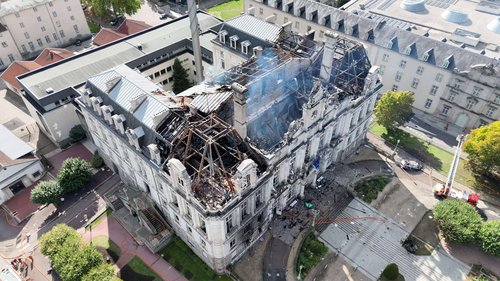
In Limoges, the partially burnt city hall is a stark reminder of the violence’s reach beyond the capital, with Conservative mayor Guillaume Guérin blaming the radical left party La France Insoumise (LFI). The party has denied any role.
The fallout is political. Marine Le Pen, heading the National Rally, is already ahead in polls, and has used the unrest to paint LFI as a threat to national order, while Jean‑Luc Mélenchon turns the accusation back at the government in a bid to position himself as a candidate to restore calm by the next presidential polls.
A growing segment of French youth says they feel their voices are ignored, seeing the riots as a chance for a fresh political chapter but also fearing that the chaos will only polarise the electorate.
United online, French authorities are reviewing CCTV footage and social media posts to track looters, while government advisers note an apparent rise in opportunistic theft, with many young shop‑lifters immediately selling stolen goods after the outbreak.
Across Western Europe, similar disturbances have unfolded, from Belgium to Italy and Portugal, echoing the same themes of cost‑of‑living frustration and distrust in mainstream politics.