In brief
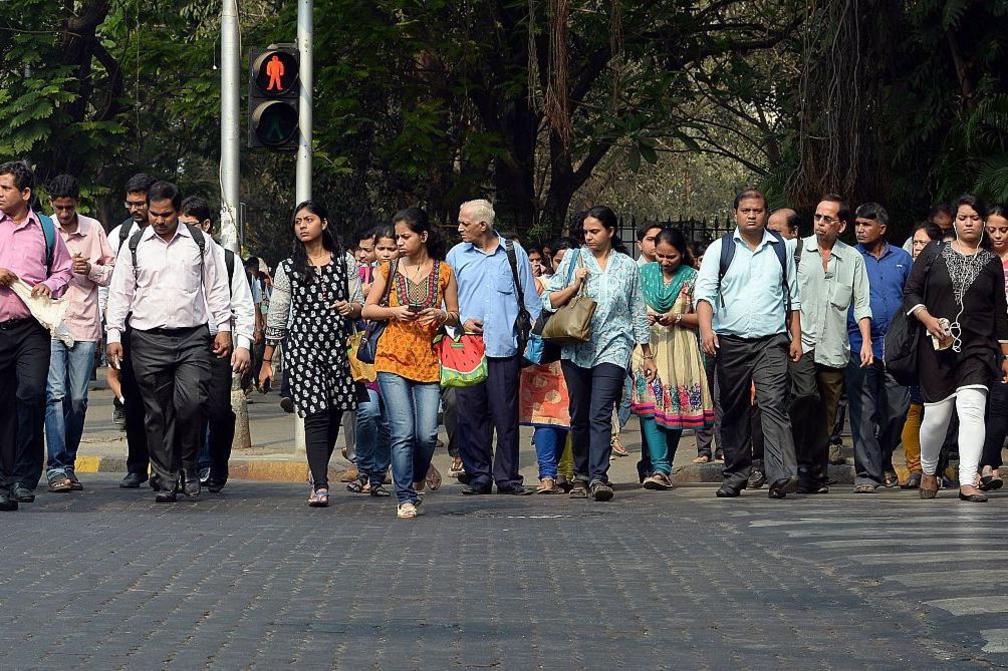
Across Indian cities, 45 million people walk to work each day, yet pavements are narrow, blocked or absent. A landmark Supreme Court judgment declared safe footpaths a fundamental right, forcing a rethink of urban design traditionally geared toward vehicles. The decision follows alarming numbers of pedestrian deaths, with up to 40 % of accidents involving foot traffic. Authorities now face questions of governance, maintenance and redesign, while activists champion narrower lanes, reduced speed limits and inclusive crossings. The result is a gradual, if uneven, shift toward pedestrian‑friendly streets.
The streets of India’s biggest metropolises have long been designed for cars, buses and rentals. For there, the small, unguarded stretches of pavement that should have protected line‑ups of walkers—45 million daily commuters in cities, nearly a third of urban workers—reveal only a patchwork of broken concrete, encroachments and lightning‑fast traffic.
The Supreme Court, prompted by a tragic death of a five‑year‑old boy crushed by a truck, responded by declaring that walking on a properly demarcated footpath is a fundamental right. Justice PS Narasimha wrote, “The simplest of human activity—walking—merits the state’s duty to supply safe paths.” This judicial act demands a rethink of an urban model that has, since independence, prioritized expressways and flyovers over sidewalks.
Reality on the ground is stark. Footpaths frequently vanish under parked cars, retract to crumbs of concrete, leave the elderly or wheelchair users stranded, and abruptly fold into roads. A 2011 study of six Indian cities rated walkability at a mere 47 of 100 points; crossing points especially at bus and metro stations are the most shoddy. In Delhi and Mumbai, pedestrians account for more than half of road deaths—a figure rising to 30‑40 % in independent estimates, far higher than the official 20‑25 % figure.
The root, experts argue, lies in governance. Footpaths are often built but left unchecked, with city agencies reluctant to widen pavements or enforce no‑parking rules, as vehicle width is treated as sacrosanct. The result is violent visual inequality: motorised vehicles claim most public space while walkers, many of whom cannot afford transport, are forced to risk crossing at dangerous points or use footbridges that are scarce.
Traffic calming and slower speed limits provide one answer. Countries with default limits of 30 km/h or 20 mph see proportionately fewer pedestrian injuries. In India, redesigning streets by narrowing lanes, repurposing road shoulders into merely pedestrian zones, and adding shaded resting areas could turn a walk into a safe, pleasant journey rather than a hazard.
Beyond infrastructure, the Supreme Court, and activist voices, such as those from the Walking Project, call for continuous monitoring, public advocacy and a shift in city‑wide culture that recognises walking as a right, not a leisure pastime. When cities default to vehicle convenience, they inadvertently import an urban health crisis—over 3‑5 % of India’s GDP is lost annually to traffic‑related death and injury—while their most vulnerable citizens remain in the cross‑fire. The judicial decision is a concrete reminder that roads should serve people, not vehicles, and that the street as a public space needs a re‑imagination that starts with an unbroken, safe footpath.