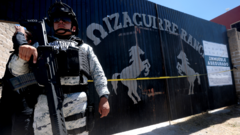
The Izaguirre Ranch in Jalisco, Mexico, has emerged as a harrowing symbol of the country’s ongoing cartel violence, following the discovery of three human crematory ovens and numerous human bone fragments. In March, an activist group comprised of families of the missing visited the ranch in response to a tip concerning a potential mass grave. Instead of answers, they were confronted with a scene of despair: 200 pairs of shoes, countless items of clothing, and abandoned suitcases—remnants of those who had presumably fallen victim to the New Generation Jalisco Cartel (CJNG).
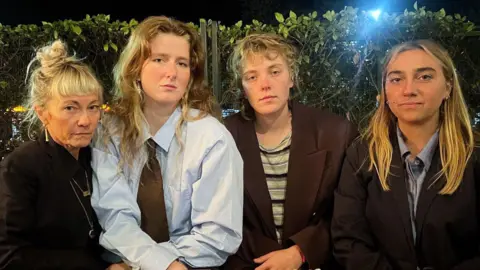
Activist Luz Toscano, part of the Buscadores Guerreros de Jalisco Collective, described the shocking sight. "People were desperate," she recounted, as many searched for clues about their loved ones, recognizing shoes they feared belonged to them. The ranch was reportedly used for not only the forced training of cartel foot-soldiers but also for torturing victims and disposing of their bodies. “There were children’s toys in there,” Toscano lamented, emphasizing the personal stakes behind the daunting search for justice.
Despite local police having conducted a raid just last September, making ten arrests and freeing two hostages, they failed to uncover or disclose the extensive evidence of cruelty found at the site. This has led many, including victims' families, to voice accusations of complicity between police and the cartel. State Governor Pablo Lemus assured the public of ongoing cooperation with federal authorities in a bid to address the situation, insisting his administration is not shirking accountability.
President Claudia Sheinbaum faces the challenge of maintaining her political momentum amidst the grim discoveries in Jalisco. She has directed federal investigators to take over the case as concern grows regarding the local police's actions. "It is important to make the investigation before we come to any conclusions," Sheinbaum said, prior to federal authorities disclosing their findings.
The Izaguirre Ranch has turned into a significant focus for the media in Mexico, quickly labeled an "extermination site." With more search teams mobilizing from Guadalajara to protest and demand further action from authorities, personal agonies are only compounded by systemic questions about safety, accountability, and justice.
Rosario Magaña, a mother of a missing young man, expressed her anguish as she continues to search for her son, who was abducted in 2017. "It's a very, very slow process with the state attorney general's office,” she lamented. Her sentiment resonates with many families who find themselves entangled in a complex struggle for answers amid rampant violence. Mageña questions the government’s response to the CJNG's known tactics, echoing a deep frustration that resonates across the community: "What is the government doing?"