In brief
The 37-year-old junta leader has captively engaged the African populace and beyond with revolutionary rhetoric and policies, shifting foreign alliances, and reforming the nation's economic landscape, all while facing criticism and skepticism from more traditional western powers.
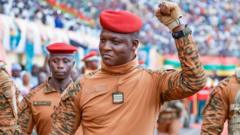
Burkina Faso's military ruler, Capt. Ibrahim Traoré, has become a symbol of resistance against Western neo-colonialism and a source of inspiration for many across Africa. At just 37 years old, Traoré has effectively cultivated an image of a charismatic pan-Africanist leader who is determined to free his nation from the historical legacies of colonial influence. His messaging strikes a chord with not only Burkinabé citizens but also people throughout Africa and the African diaspora internationally, mirroring revolutionary figures like Thomas Sankara, Burkina Faso's famed "Africa's Che Guevara."Since his rise to power in a coup in 2022, Traoré's government shifted allegiances from France to Russia, seeking to forge stronger ties with Moscow to bolster Burkina Faso's sovereignty. This strategic pivot has involved collaborating with Russian paramilitary groups and implementing leftist economic policies aimed at redistributing the nation’s mineral wealth. Initiatives such as establishing a state-owned mining company and gaining substantial stakes in foreign mining operations signal Traoré's commitment to national self-sufficiency.While many Western companies face challenges under Traoré's administration, a growing admiration for his radical reforms is palpable across the African continent. Analysts indicate that his popularity stems from a collective yearning for better governance and economic opportunities. Beverly Ochieng, a researcher at Control Risks, highlighted that Traoré's speeches resonate profoundly as many Africans grapple with revelations concerning their historical relationship with the West.Social media has played a vital role in disseminating Traoré's narrative, leading to a burgeoning following among African Americans and Black Britons. Although French President Emmanuel Macron has openly criticized Traoré, calling him part of a coalition that seeks to undermine democracy, the young leader continues to attract support with his magnetic personality and speeches promoting unity and resistance against foreign exploitation.However, Traoré’s rule has not been without controversy—he has yet to effectively address an ongoing Islamist insurgency and has been accused of suppressing dissent among opposition groups and civil society. The unique dynamic of his popularity signifies a notable shift in the political landscape of West Africa, where traditional Western-style democracy is increasingly viewed as inadequate by the younger generation.Moreover, as Traoré strives to establish himself among Africa's influential leaders, he faces challenges in ensuring a sustainable legacy. Political analysts stress that while charisma can win hearts, focusing on peace, robust institutions, and good governance will be key to transformative and lasting change in Burkina Faso and the region at large. Traoré's rise, alongside other military leaders in the region, represents a significant moment in West African politics, signaling widespread desire for a new form of leadership amid lingering historical grievances with colonial powers.