In brief
In a highly contested parliamentary vote, the Student List – led by professor Ilija Srdanović – represents Serbia’s largest opposition since 2012. Emerging from two years of anti‑corruption protests sparked by a fatal canopy collapse at Novi Sad railway station, the list’s 250 candidates come from academia, sport and engineering, with no prior political experience. Led by a collective ethos, the movement positions itself against a dominant regime and far‑right corporatism. Vučić, who recently stepped down as president to contest the premiership, has portrayed the Student List as foreign‑backed and seeks to maintain Serbia’s ties to Russia, China and the EU. Analysts predict a razor‑thin finish that will redefine Serbia’s political landscape.
In a highly contested parliamentary vote, the Student List – led by professor Ilija Srdanović – represents Serbia’s largest opposition since 2012.
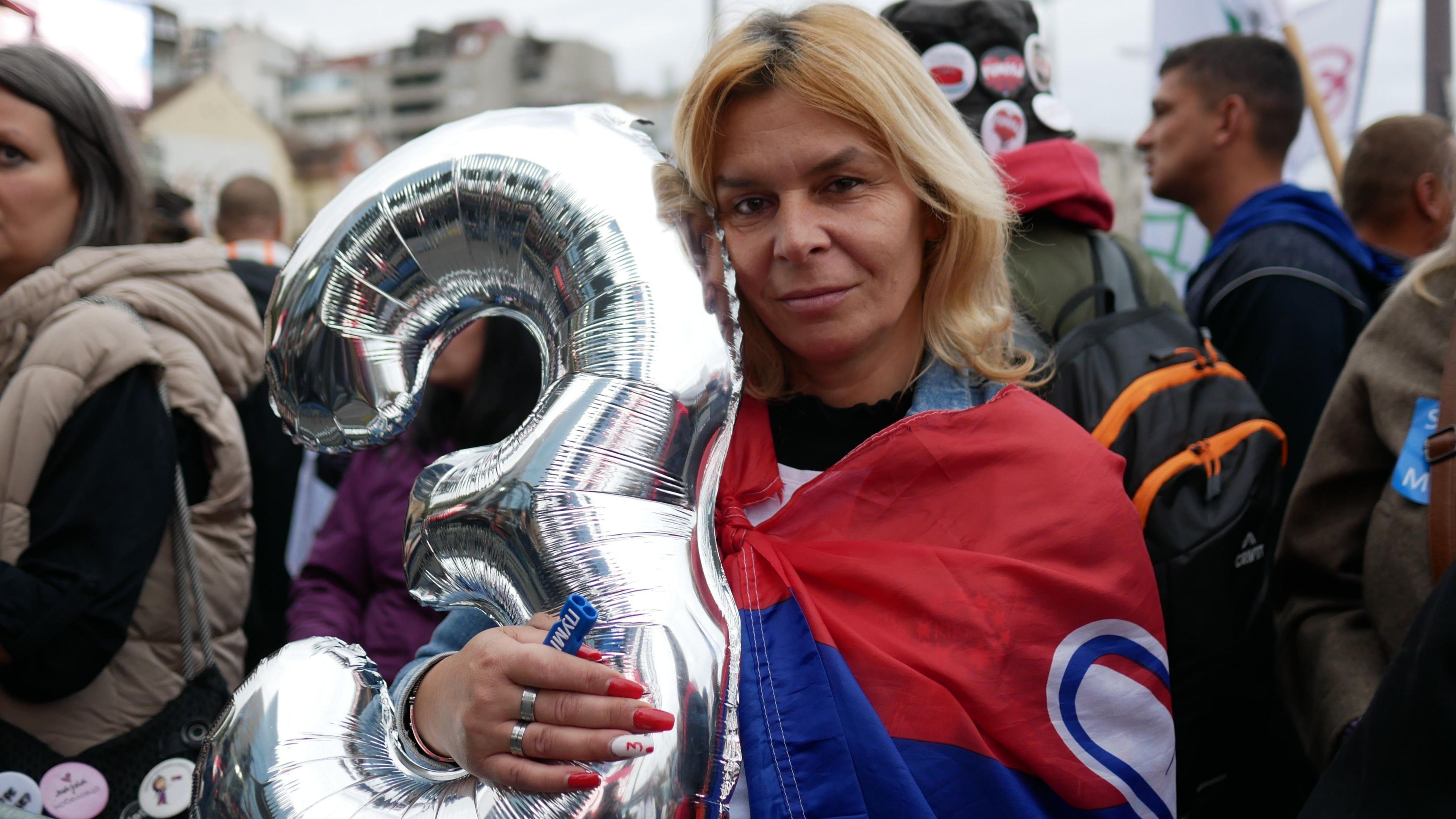
The movement emerged from two years of anti‑corruption protests sparked by a fatal canopy collapse at Novi Sad railway station, which claimed 16 lives. The protests mobilised a youth wave that has re‑deemed the nation’s political structures.
A collective of 250 candidates, ranging from academics to athletes and engineers, saw no prior political roles. The list’s core is a shared vision of civilised society, a promise to restore free speech and protect citizens from intimidation and muffled dissent.
Ilija Srdanović, an associate professor at Novi Sad University, fronts the list – but the movement stresses that he is not the sole leader. The Student List argues that the brainpower of its candidates, rather than a single voice, will guide Serbia into change.
The Student List’s stakes have put it at odds with President Aleksandar Vučić, who has been prime minister and president since 2012. Vučić’s government faces criticism for media bias, misuse of public resources and the high‑speed rail disaster that tarnished his flagship projects.
Vučić framed the Student List as a foreign‑backed threat, labeling its rivals as a “symbol of resistance” for those who “cannot stand different opinions.” He highlighted Serbia’s strategic ties to Russia and China while blaming those relationships on the possibility of sanctions if the Student List came to power.
Both sides held extensive rallies: the Student List drew an estimated 150,000 supporters at Belgrade’s Slavija Square, while Vučić’s supporters rallied in Belgrade Arena. Media coverage and political support remain sharply divided.
Polls have yet to coalesce, but analysts predict an extremely tight vote that will decide whether Serbia continues its current trajectory or embraces a youth‑led collective governance. The outcome will shape Serbia’s future relations with the EU, Russia, China and its own political institutions.