In brief
The Terraces retirement community in Los Gatos has introduced virtual reality (VR) headsets to enhance the lives of its residents. This innovative technology allows many seniors, aged in their 80s and 90s, to experience thrilling virtual trips, rekindling memories of travel and adventure. With the help of Rendever, the selected VR programming offers engaging experiences, helping combat social isolation, improve cognitive functions, and foster community interactions among the elderly. Residents are able to swim with dolphins, ride in hot-air balloons, or revisit their childhood neighborhoods, making VR a meaningful tool for social connection and mental stimulation.
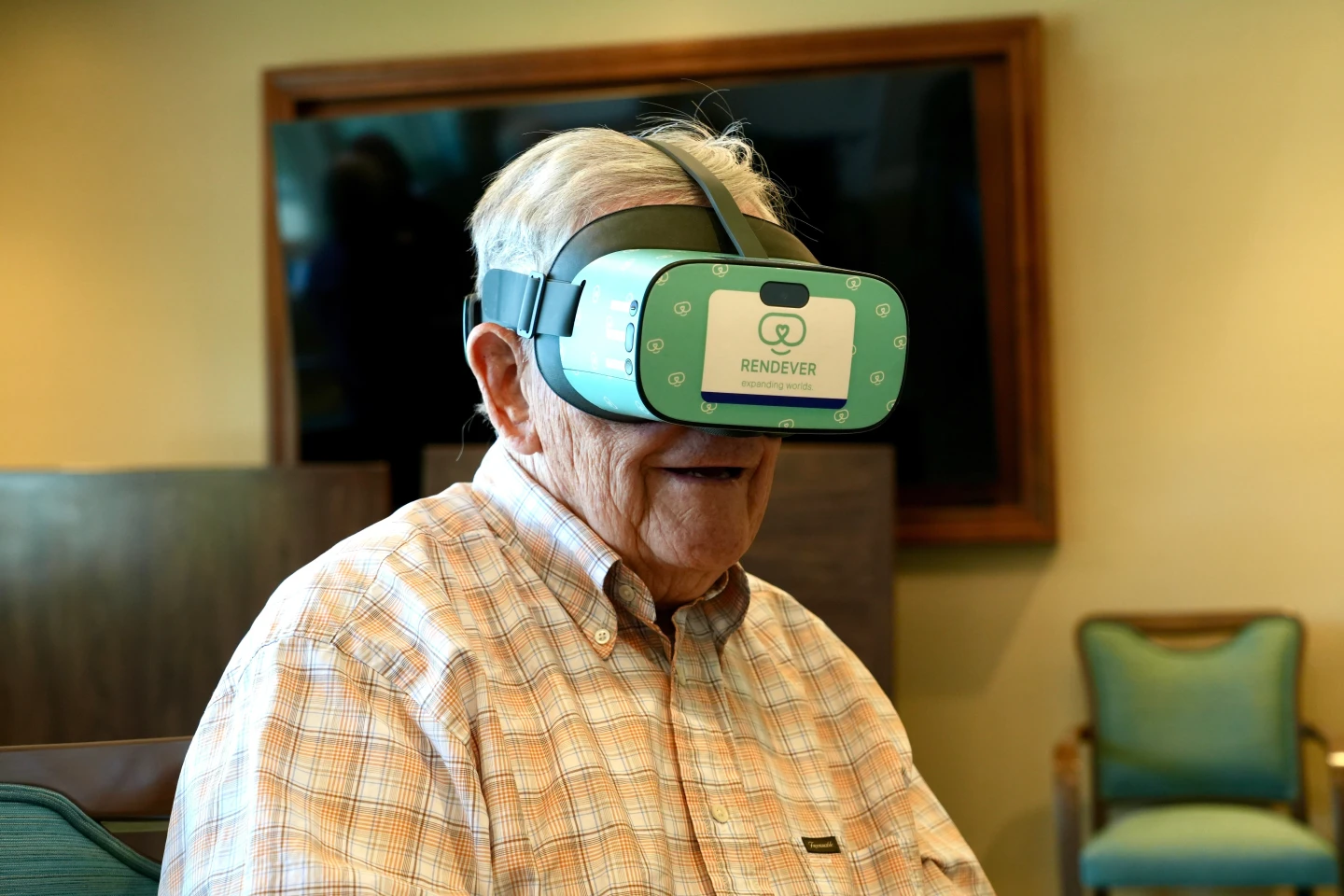
LOS GATOS, Calif. — At The Terraces retirement community, seniors are discovering the thrill of travel without ever leaving their chairs, thanks to the innovative use of virtual reality (VR) technology. Residents aged in their 80s and 90s are being transported to exotic locations, from ocean depths to mountain peaks, as they don VR headsets during structured sessions.
Curated by Rendever, a company specializing in VR programs for elderly care, these virtual experiences are more than just entertainment; they provide cognitive enhancement and social interaction among residents. Many find joy in activities like swimming with dolphins or soaring over landscapes, reigniting their sense of adventure lost over the years.
During a recent VR swim, 81-year-old Ginny Baird expressed her enthusiasm, saying, 'We got to go underwater and didn’t even have to hold our breath!' The technology appeals to those who might not feel comfortable exploring new technology, enticing them into immersive experiences.
Among the best responses to VR technology are the meaningful reconnections residents can experience, such as revisiting their childhood neighborhoods, stirring nostalgia, and prompting conversations that bridge gaps between the elderly.
Adrian Marshall, community life director, emphasized the social benefits of VR: 'It really connects people and creates a human bridge of shared experiences.' This new methodology could be sustainable for combating issues like social isolation among older adults, with Rendever working alongside the National Institutes of Health on related studies.
As VR continues to gain traction in senior care, both residents and experts emphasize that it is not a replacement for in-person interactions but rather a tool for enhancing engagement and improving quality of life. The technology is designed to foster connections across generations and interests, proving that age should not limit one’s capacity for exploration and discovery.