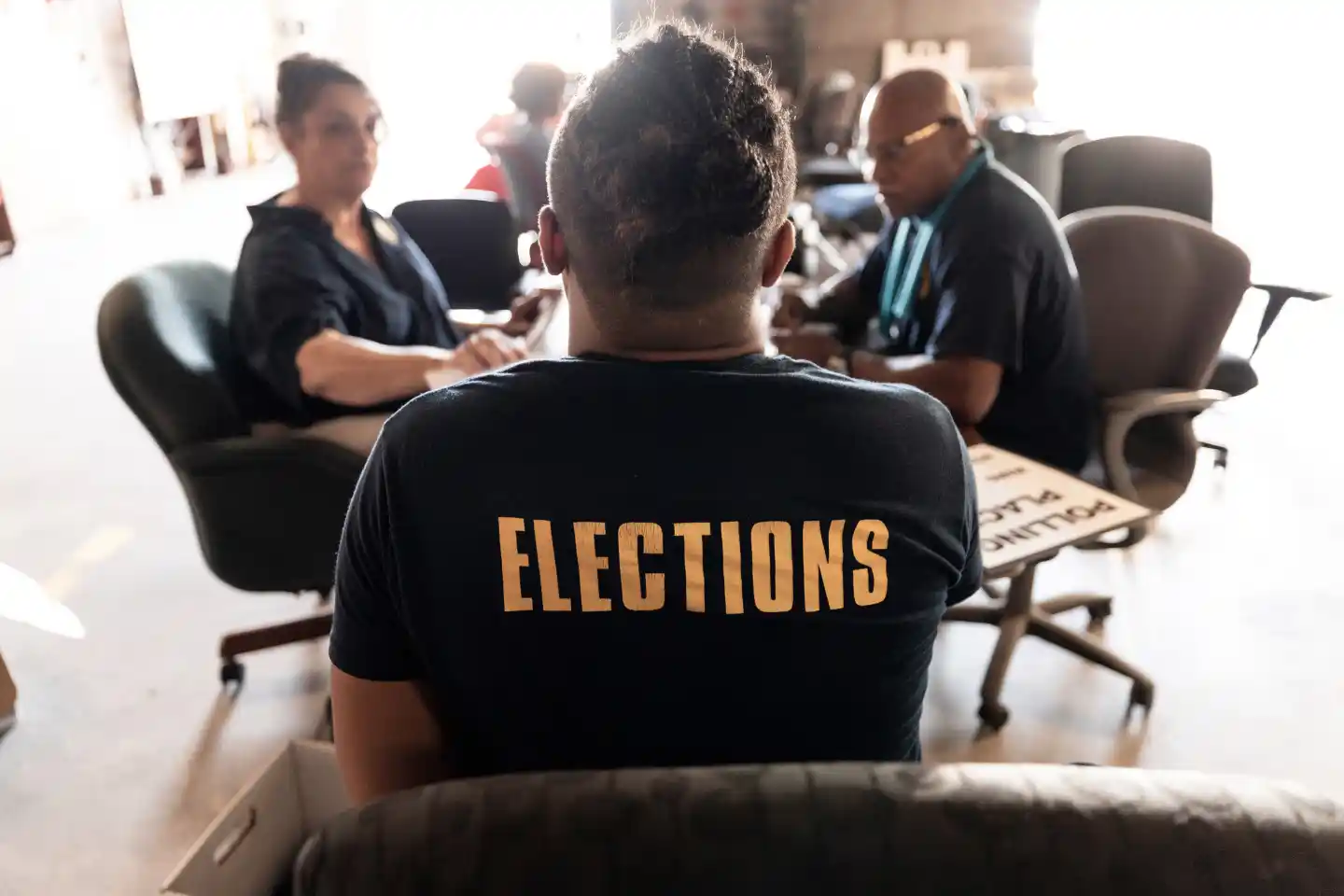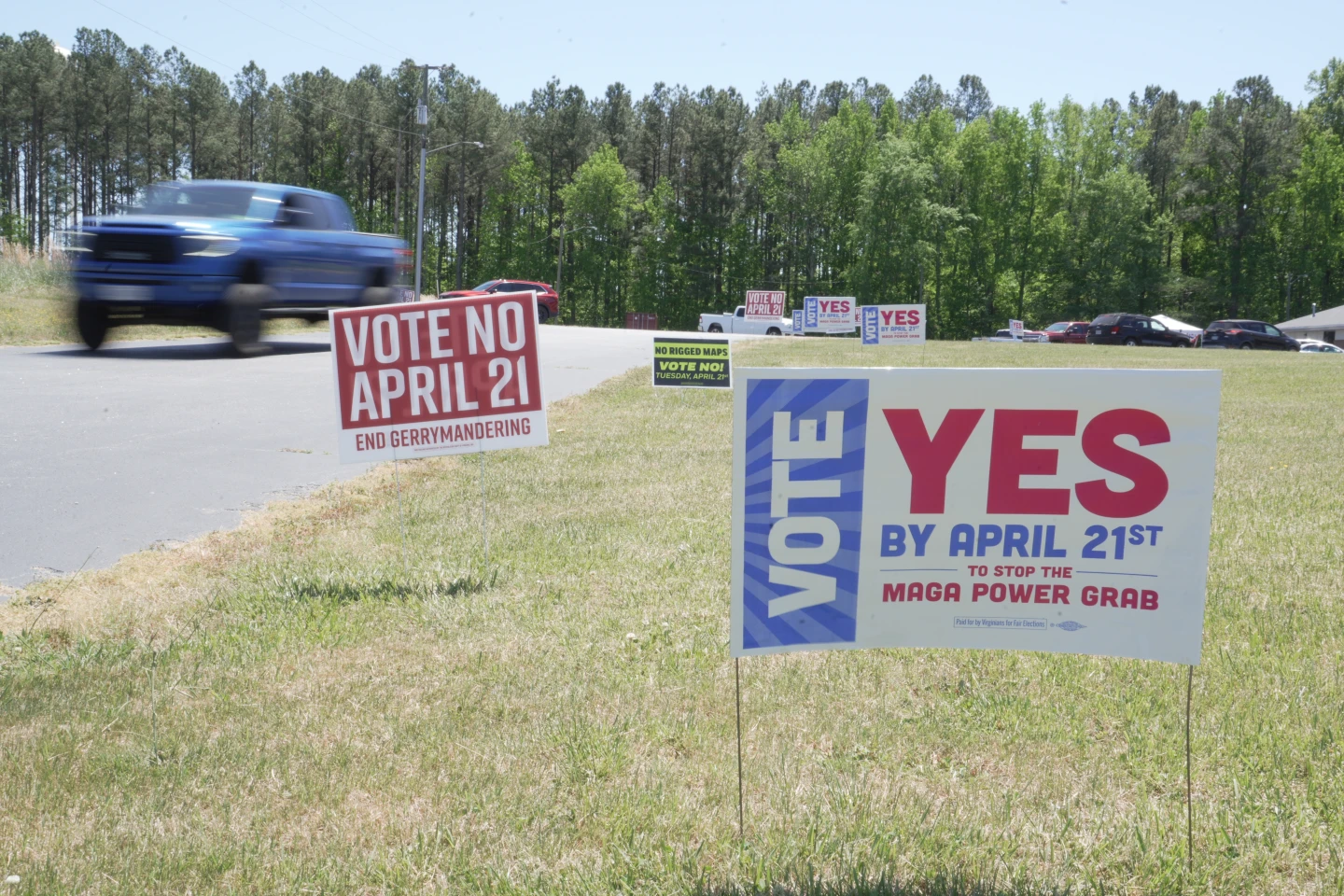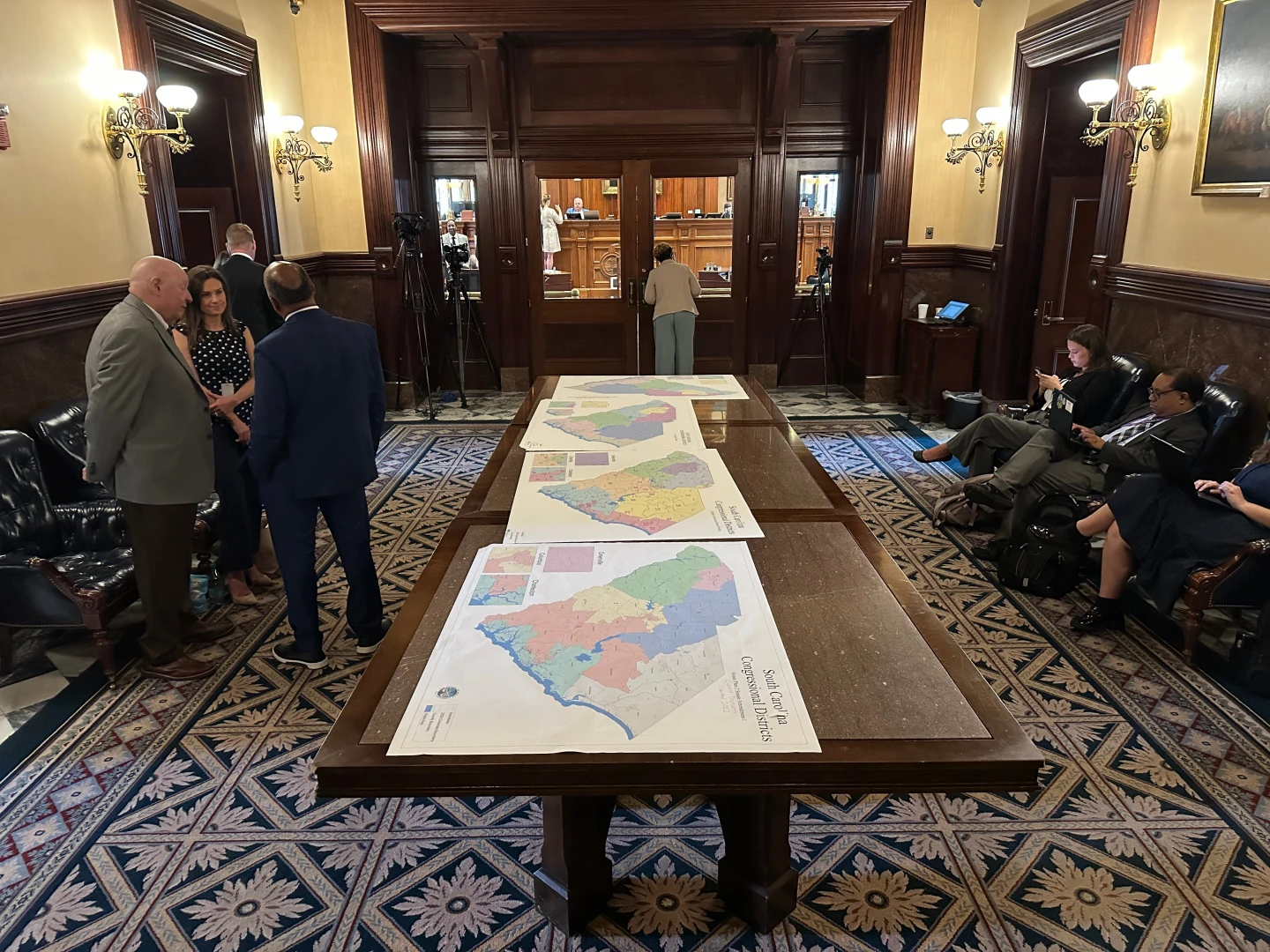
On Tuesday, Virginia will host a statewide special election, uniquely devoid of any candidates on the ballot. Instead, voters will weigh in on a significant ballot measure designed to amend the state's constitution. If approved, this amendment will empower the Democrat-majority General Assembly with transient authority to redraw congressional districts until 2030. This move is seen as a strategic response to similar actions by Republican lawmakers in other states, particularly since these redistricting efforts often reshape political power dynamics.
Currently, Democratic representatives occupy six of Virginia’s eleven congressional seats. Should the proposed amendment be enacted, it could enable the Democrats to secure additional seats, potentially boosting their total to ten.
The legislative initiative was approved earlier this year and is significantly positioned ahead of the upcoming midterm congressional elections, where the balance of power in the House of Representatives could hinge on just a few seats. Under the proposed changes, state lawmakers would retain the power to redraw district boundaries until October 2030, when it would revert to the nonpartisan redistricting commission.
Notable political figures, including Democratic Gov. Abigail Spanberger and former President Barack Obama, have publicly endorsed this referendum, labeling it a necessary countermeasure to Republican-led redistricting attempts. This amendment, however, has fueled fervent debate, with opponents highlighting concerns about gerrymandering. Notable Republican figures, including former governors, have voiced their dissent against the measure.
As the election day approaches, reports indicate that groups advocating for the amendment have significantly outpaced those opposing it in fundraising efforts, suggesting strong support in urban areas traditionally aligned with Democratic voters. Nevertheless, in more rural areas, opposition could be robust.
With a history of fluctuating political loyalties in Virginia, particularly in gubernatorial races, the election outcome remains uncertain. Both sides will closely monitor key populations and regions, as even slight shifts in voter preferences could significantly alter the electoral landscape come November.
Currently, Democratic representatives occupy six of Virginia’s eleven congressional seats. Should the proposed amendment be enacted, it could enable the Democrats to secure additional seats, potentially boosting their total to ten.
The legislative initiative was approved earlier this year and is significantly positioned ahead of the upcoming midterm congressional elections, where the balance of power in the House of Representatives could hinge on just a few seats. Under the proposed changes, state lawmakers would retain the power to redraw district boundaries until October 2030, when it would revert to the nonpartisan redistricting commission.
Notable political figures, including Democratic Gov. Abigail Spanberger and former President Barack Obama, have publicly endorsed this referendum, labeling it a necessary countermeasure to Republican-led redistricting attempts. This amendment, however, has fueled fervent debate, with opponents highlighting concerns about gerrymandering. Notable Republican figures, including former governors, have voiced their dissent against the measure.
As the election day approaches, reports indicate that groups advocating for the amendment have significantly outpaced those opposing it in fundraising efforts, suggesting strong support in urban areas traditionally aligned with Democratic voters. Nevertheless, in more rural areas, opposition could be robust.
With a history of fluctuating political loyalties in Virginia, particularly in gubernatorial races, the election outcome remains uncertain. Both sides will closely monitor key populations and regions, as even slight shifts in voter preferences could significantly alter the electoral landscape come November.