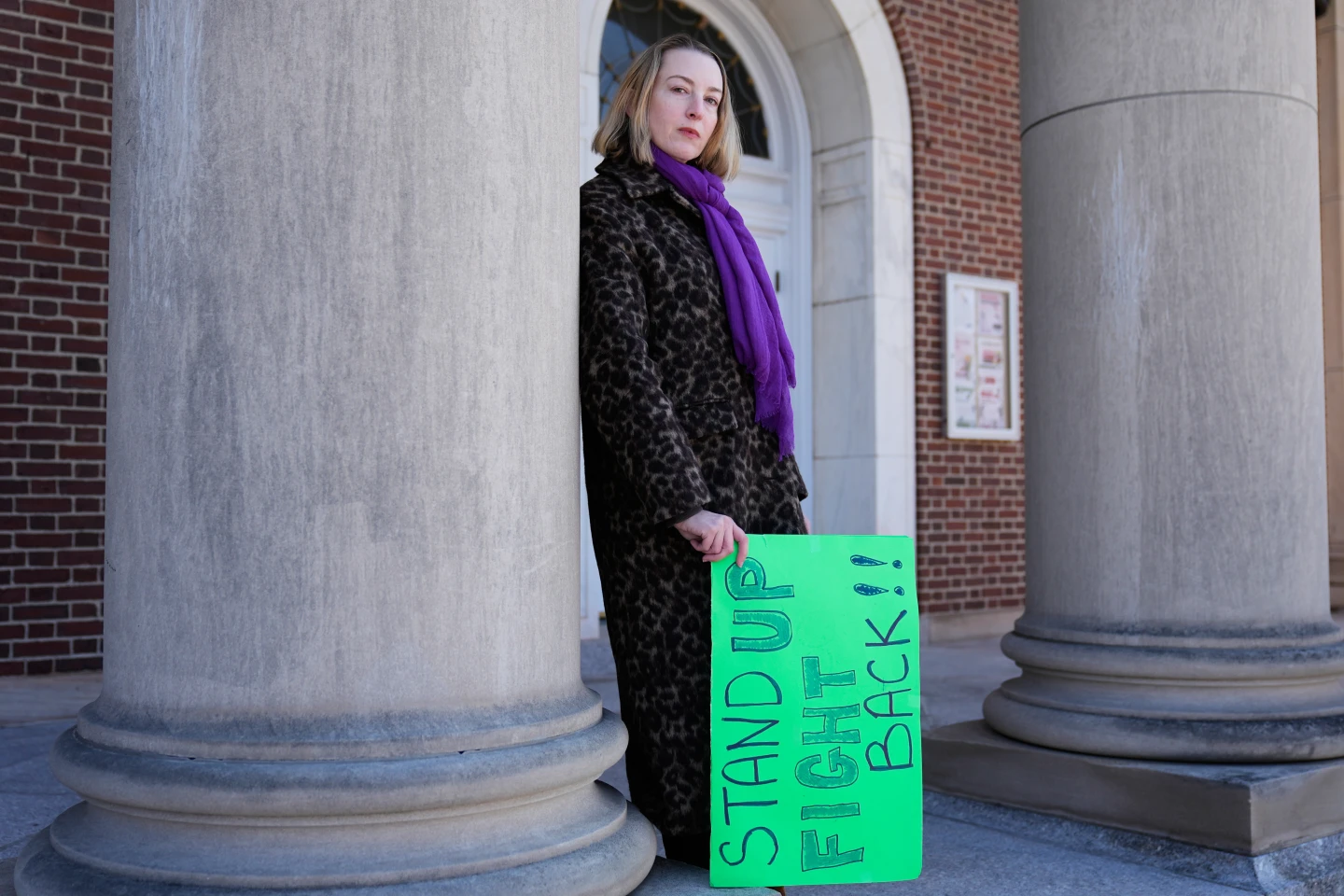
MONTCLAIR, N.J. — A few years ago, Allison Posner barely engaged with political issues. Today, the 42-year-old mother of two from Maplewood, New Jersey, finds herself distributing food and diapers to immigrant families outside a nearby detention facility, waving protest signs on highway overpasses, and leading a protest march against President Donald Trump alongside her family and thousands of concerned citizens.
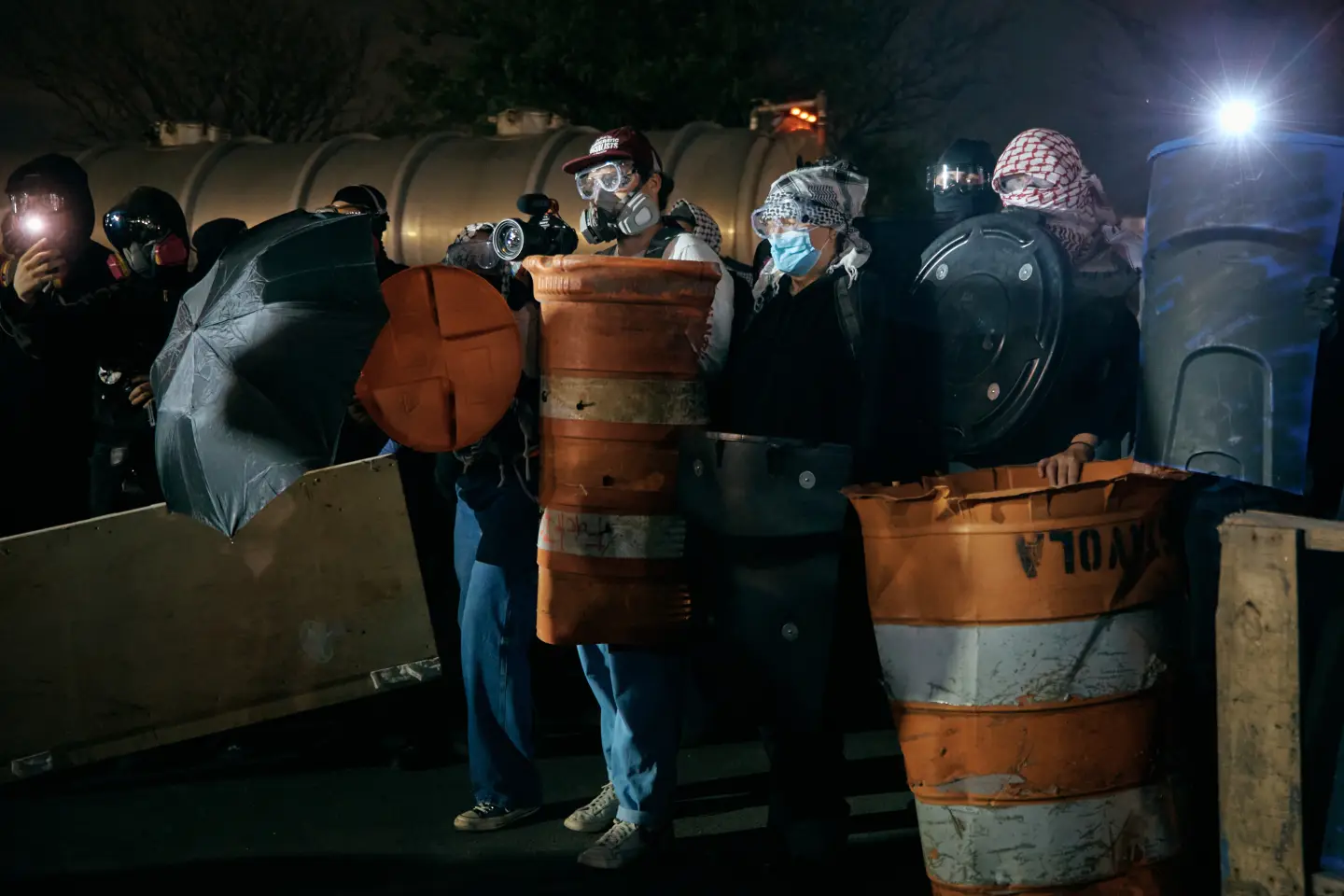
Posner’s story reflects a rapidly growing trend among suburban residents across the United States, where communities once seen as politically moderate are now emerging as stronghold for the anti-Trump resistance. This weekend, over 3,000 planned demonstrations nationwide will spotlight suburban activism, with an expected turnout of more than nine million participants, set to mark one of the largest protest days in U.S. history.
“The suburbs are definitely radicalizing,” declared Posner, now fully immersed in political activism.
As Trump approaches the final two years of his presidency, the implications of this shift are significant. Many observers suggest that the rightward tilt in suburban demographics could profoundly affect Republican control over Congress and help usher in a new generation of aggressive progressive candidates emboldened to challenge the current administration more forcefully.
Indivisible, the organization leading the No Kings protests, noted that nearly two-thirds of planned demonstrations will take place outside urban areas, illustrating a grassroots mobilization that has taken hold of suburban districts and raised concerns among Republicans.
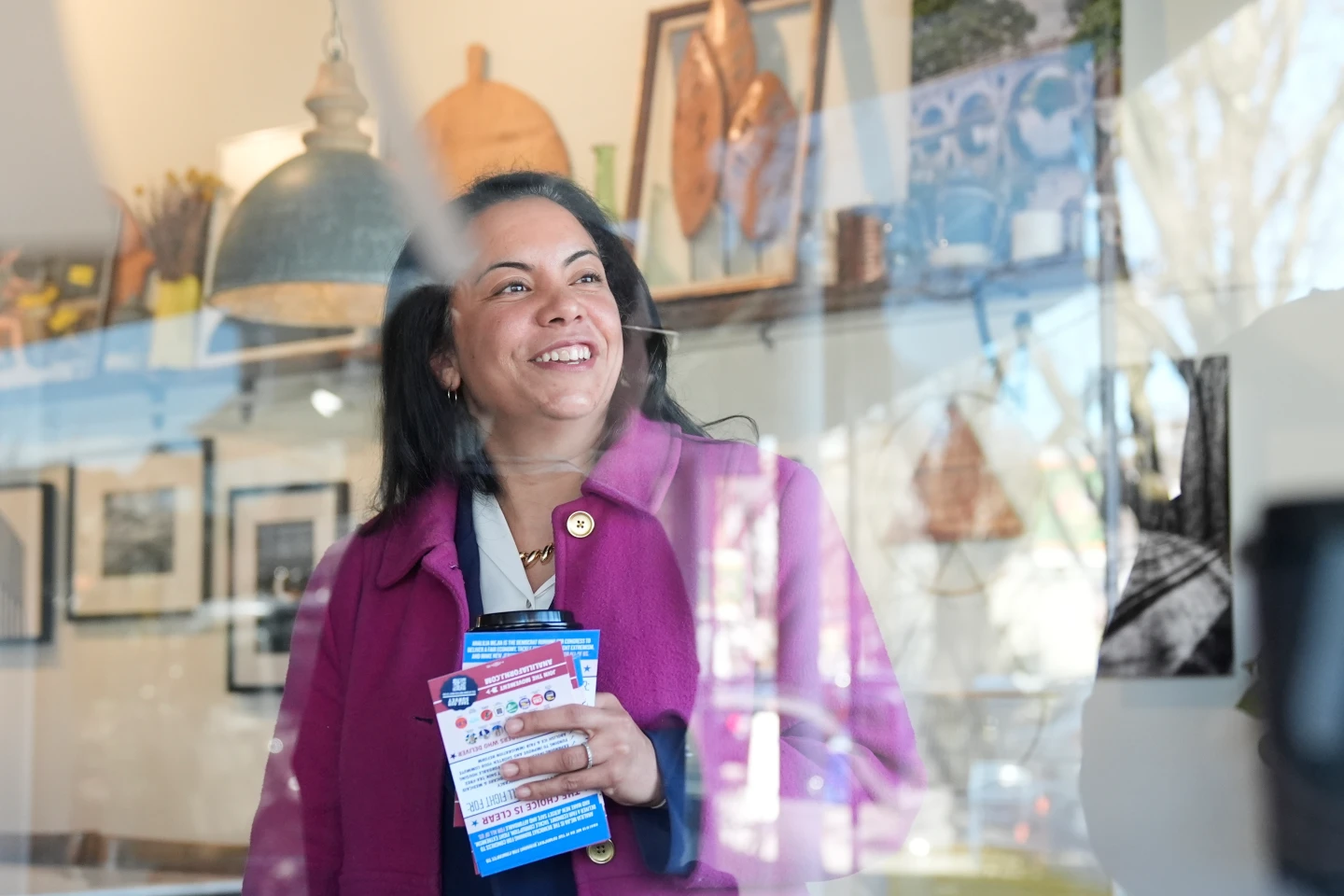
Districts with high stakes congressional races are witnessing particularly enthusiastic interest from voters. In northern New Jersey’s 11th District, for instance, enthusiasm is high for Analilia Mejia, a progressive candidate backed by leading Democratic figures, as she takes aim at the seat formerly held by a moderate Democrat.
“I’m seeing people from the PTA to neighborhood gatherings who would have never joined a protest before now asking how they can get involved,” Posner noted, emphasizing a sense of shared responsibility among fellow residents.
Meanwhile, the political landscape faced by suburban Republicans has been precarious under Trump’s leadership. Candidates like Joe Hathaway, the Republican nominee for the upcoming special election, are attempting to navigate this challenging environment, grappling with their party’s shifting base in suburban territory.
The changing political winds signify a broader societal transformation within American suburbs, where increasing diversity and educational attainment among voters are reshaping electoral dynamics and enhancing Democratic confidence. As activists and candidates campaign vigorously, the suburban activism movement serves as a barometer for political sentiment, reinforcing the urgency of engagement during these critical times.