In brief
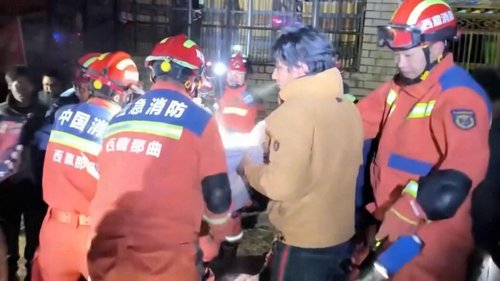
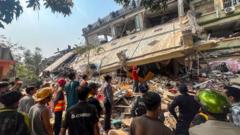
The situation in Myanmar following a catastrophic earthquake has become increasingly desperate, with the death toll now exceeding 1,600 individuals. As communities endeavor to locate survivors, many are resorting to using their bare hands to sift through the rubble, as equipment is limited and communication networks remain disrupted. Particularly in Mandalay, the nation’s second-largest city, large structures have collapsed, including a 12-storey apartment block where rescuers managed to pull a woman to safety after 30 hours of search efforts. The Red Cross estimates that more than 90 people are still trapped within the wreckage of this building, highlighting the grim reality faced by many who have loved ones missing.
Additionally, in an adjacent township, tragedy struck when the bodies of 12 preschool children and a teacher were discovered beneath the debris of a kindergarten. The United Nations humanitarian agency OCHA pointed out that the destruction has severely impacted transportation routes, making it difficult to access the hardest-hit areas. A shortage of medical supplies, including trauma kits and essential medicines, has exacerbated the crisis.While rescue teams have begun arriving, ordinary citizens are taking matters into their own hands, as they face challenges due to a lack of resources and coordination. Footage circulating online shows individuals attempting to displace rubble to free those trapped beneath. Multiple rescuers have shared their struggle, noting that the absence of communication makes it difficult to coordinate efforts to locate survivors. Local residents voiced frustration over the chaos surrounding rescue operations and expressed their concerns about overwhelmed hospitals that are unable to manage the influx of casualties.In the wake of the disaster, the military junta has officially reported over 1,500 buildings damaged in Mandalay, compounded by power outages that could take days to resolve. Additionally, vital transportation links such as bridges in the vicinity have either collapsed or sustained severe damage, creating further obstacles for rescue teams. At the same time, even as the junta has called for international aid, it continues military operations against armed groups, raising concerns among humanitarian advocates. Official statements from human rights observers urge the cessation of military activities in light of the natural disaster.As Myanmar navigates this dual crisis of natural calamity and ongoing conflict, the need for coordinated international assistance and local solidarity becomes imperative in ensuring the survival and safety of those affected. Rescue workers remain committed to the challenging task ahead, but the road to recovery will demand significant support and resources.