In brief
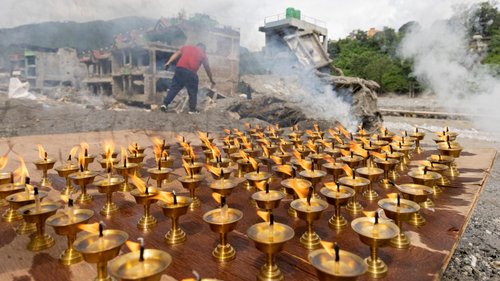
The government of Nepal is gearing up to spend billions on rebuilding after catastrophic flash floods that struck the Nepal‑Tibet border, killing 1,200 people and leaving thousands missing. While Nepal is a low climate‑emitter, it is among the world’s most vulnerable nations to climate events. Scientists are still investigating the precise cause of the deluge. Aid agencies and local authorities are clearing debris, but the scale of the damage demands a colossal financial response.
At the border of Nepal and Tibet a sudden surge of water demolished villages, roads and homes, claiming 1,200 lives and rendering thousands of residents missing. The sheer scale of the devastation forces the government to plan a reconstruction programme costing billions of dollars.
Despite being one of the lowest contributors to global greenhouse gases, Nepal sits in a region that is particularly susceptible to climate shifts. The floods are believed to be a fallout of intense monsoon rainfall and glacial melt, but scientists are still studying the exact triggers.
BBC’s South Asia correspondent Azadeh Moshiri reports on the ground: officials are beginning to clear rubble from affected villages and strategise the re‑establishment of basic services. Yet as the cleanup progresses, the urgent need for international aid and investment becomes increasingly apparent.
The government’s latest statements outline a multi‑year rebuilding roadmap that includes restoring infrastructure, housing, and introducing flood‑resistant planning. International partners have been invited to provide financial and technical support to ensure a swift recovery.