An Ebola outbreak in the Democratic Republic of Congo has been declared a public health emergency of international concern by the World Health Organization (WHO). The outbreak poses significant challenges due to the presence of a rare strain and the ongoing conflict in the region where it has arisen.
Ebola is a deadly virus transmitted through contact with infected bodily fluids. Symptoms typically emerge 2 to 21 days after exposure and begin like flu, escalating to severe symptoms such as vomiting and organ failure. The current outbreak is attributed to the Bundibugyo species of the virus, which has not been seen for over a decade and for which there is no approved vaccine, complicating control efforts.
Initial tests for the virus were negative, as they were designed for more common species of Ebola, further delaying recognition and response to the outbreak. The WHO's declaration highlights serious concerns but does not imply a risk of a broader pandemic beyond East Africa.
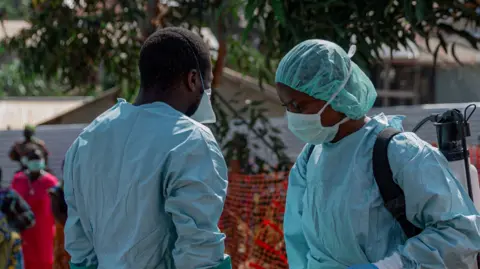
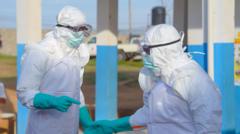
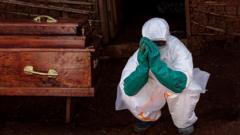
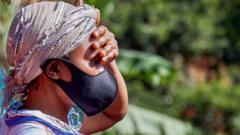
Efforts to combat the outbreak include protective equipment being dispatched to health teams in the affected areas, and public health campaigns emphasize hygiene and the safe handling of funerals, which have historically contributed to the spread of the virus. Rebel groups in affected areas are also forming response teams, indicating a potential for collaborative public health efforts despite existing political tensions.
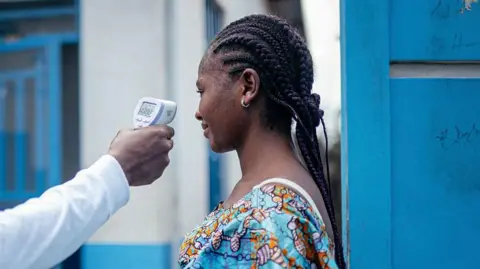
Surrounding countries, including Uganda and Rwanda, are taking preemptive measures to enhance border screenings and limit the spread, reflecting a coordinated regional approach to the crisis.