In brief
Ukrainian drones have struck more than 246 Russian fuel stations in 2026, prompting Russia to report nationwide fuel shortages as a result of Ukrainian strikes on its refineries. The striking trend has escalated, with 114 attacks recorded in July alone. While Ukrainian fuel supplies remain largely resilient thanks to a dense network of stations, Russia’s reliance on vulnerable refineries has turned it into a single point of failure. Security measures now include concrete bunkers, anti‑drone nets and streamlined staffing at stations affected by drone raids.
Ukraine’s Drone Strikes On Russian Refineries Spark Fuel Shortages
Ukrainian drones have been pounding Russian oil refineries, creating at least two waves of severe fuel shortages across Russia. According to the National Bank of Ukraine, about 4% of Russian filling stations have been damaged or destroyed, yet the overall market impact has so far been limited because of high fuel imports and alternative supply routes.
The attack campaign intensified in April, especially in frontline regions, and the number of attacks has grown steadily.
Over 246 Ukrainian Petrol Stations Targeted
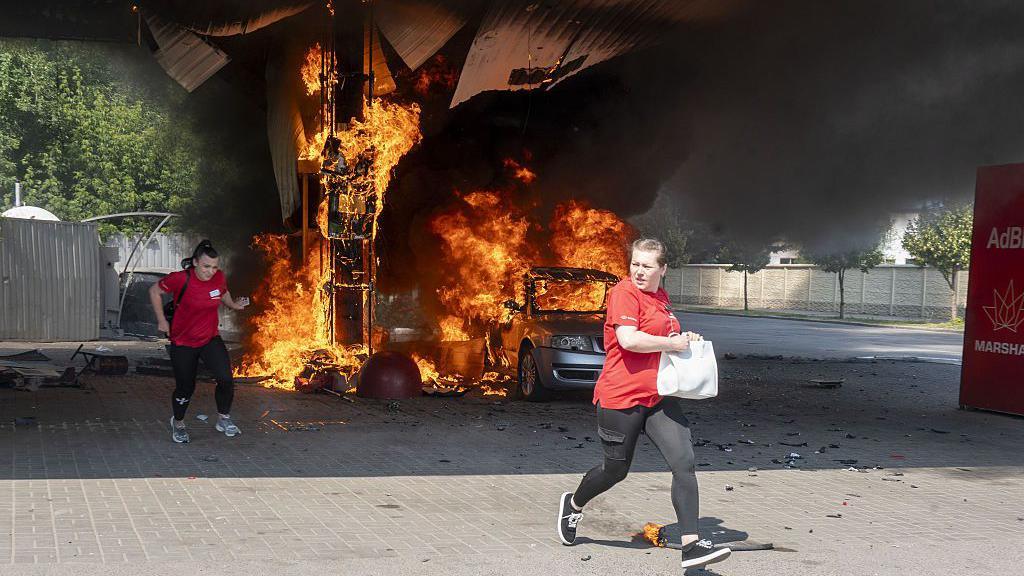
An analyst from Nafto Rynok, Oleksandr Sirenko, confirms at least 246 Ukrainian pumps have been hit by Russian drones. In July alone, 114 attacks were verified against stations, a sharp rise from 66 the previous month.
These strikes use increasingly powerful Iranian‑made Shahed drones—each costing between $20,000 and $50,000—resulting in a single station sometimes suffering five separate strikes.
Local Responses and Shifting Strategies
Police advisories now instruct motorists to leave a station immediately if an air‑alert lights. A Dnipropetrovsk police force warned: “You can fix your car, but you won’t get your life back.”
Local officials in Opishnya have started stockpiling fuel in several concealed sites, while a driver in Mykolaiv reports stricter closing times at stations during alerts. “Security comes first. If you can’t fill up now, you’ll fill up later. There are no queues or panic buying,” a resident says.
In the Kherson region, roughly half of the petrol stations have stopped operating, with most of the remaining facilities subjected to near‑daily drone attacks according to deputy regional administrator Oleksandr Tolokonnikov.
Jurisdictional authorities in Trostyanets have started moving fuel directly from road tankers to prevent loss, constantly shifting their location to avoid drone strikes.
Business Sector Reactions
The BRSM Nafta chain, losing eight stations to attacks, has begun constructing concrete shelters at forecourts and installing anti‑drone nets. The company also shortens operating hours and reduces staff numbers to limit exposure.
Despite the risk, analysts note the Ukrainian fuel market remains resilient. Sirenko states: “You curse and drive on to another petrol station. OK, you travel for 10km more than you bargained for, but that’s not such a big problem.” The wide network of stations offsets attacks more effectively than in Russia, where a single refinery failure can cripple an entire region.