In brief
Japan and the United States confirmed a rare joint foreign‑exchange intervention last week that halted a sharp slide of the yen to a new 40‑year low. The coordinated move followed the currency’s drop to around 157 yen per dollar, the weakest level in four decades. Tokyo’s ministry said the intervention countered excessive volatility and disorderly movements, while Treasury Secretary Scott Bessent highlighted the benefits to both economies. Analysts predict that future interventions will be intermittent but coordinated, adding a deterrent against speculative attacks on the yen. The intervention underscores the enduring economic alignment between the two powers in addressing currency instability.
Japan and the United States confirmed a joint foreign‑exchange intervention last week that halted the yen’s slide to a new 40‑year low.
After the currency fell to around 157 yen per dollar, the weakest level since 1986, Washington and Tokyo stepped in to calm market pressures.
Japan’s Ministry of Finance and the Treasury Secretary announced that coordinated actions would be repeated “intermittently in a coordinated manner for some time.”
Analysts note that even modest purchases can signal to speculators that the two powers are willing to defend the yen, reducing short‑term volatility.
The move follows 13 years of near‑constant yen weakness driven by Japan’s lower interest rates compared with the United States.
Following the announcement, the dollar briefly fell to 157.07 yen before rebounding to 157.70 yen after the Treasury’s statement.
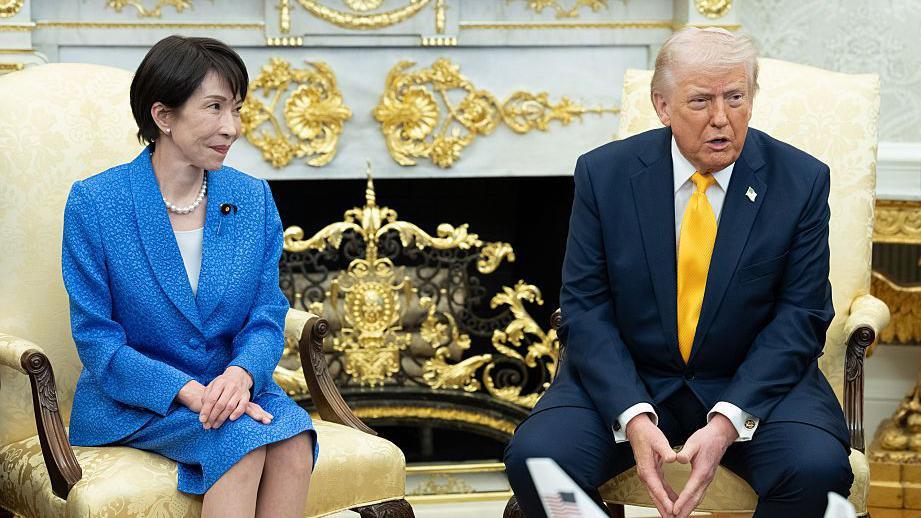
Trump, speaking to reporters, said the United States would support Japan’s decisive market and monetary steps to correct the yen’s undervaluation.