President Donald Trump has pledged to target infrastructure across Iran unless the country reaches an acceptable deal to end the war with the US and Israel by Tuesday night.
Promising to bomb the country back to the Stone Ages, Trump said US forces would target bridges and power plants across Iran. He also warned that a whole civilization will die tonight if a deal is not reached.
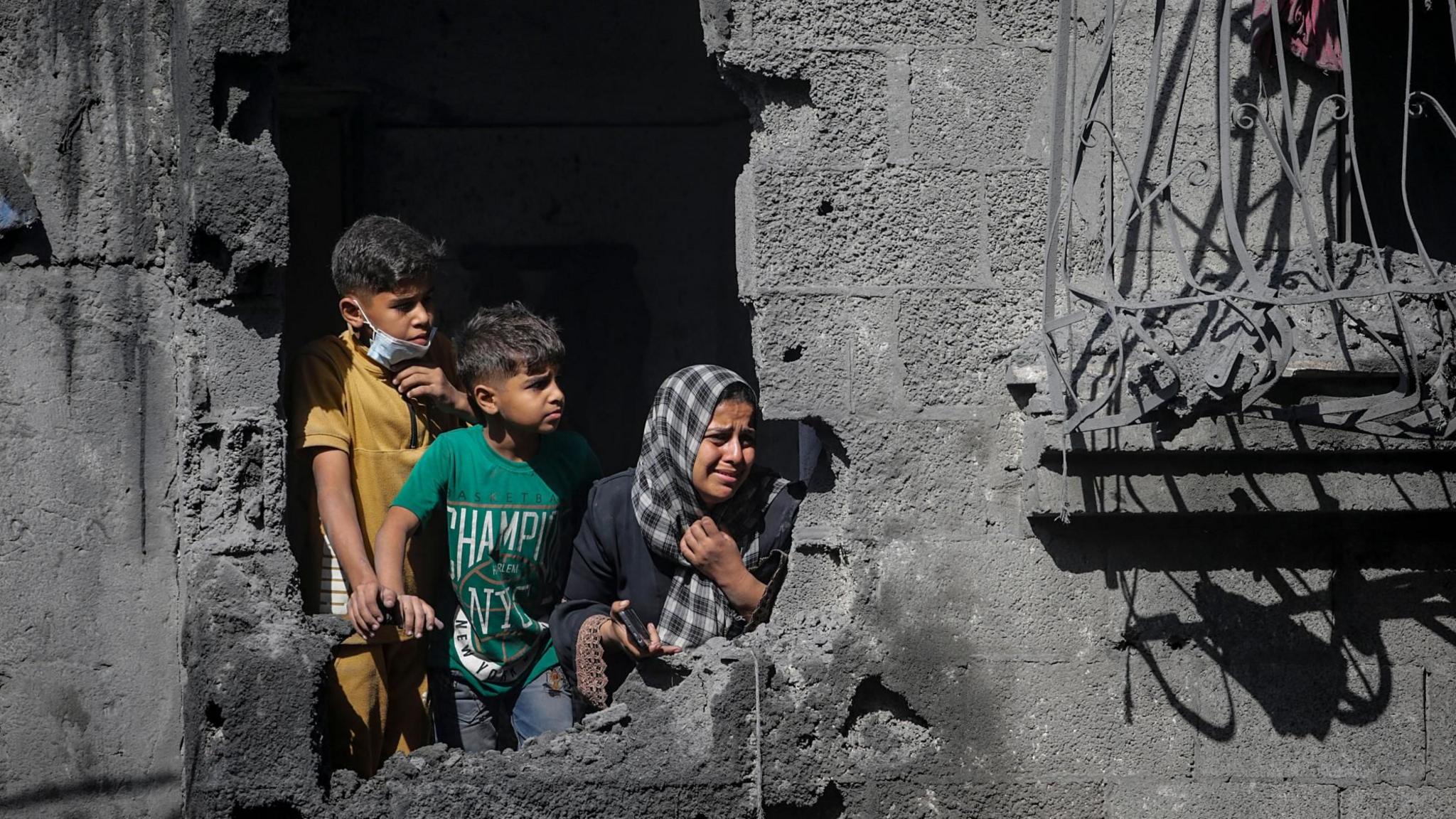
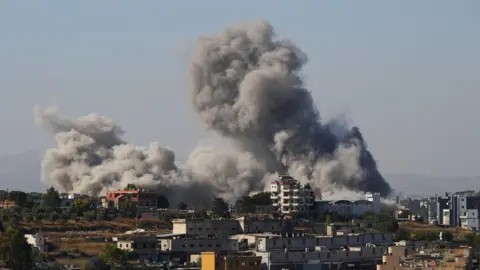
Since the conflict escalated, infrastructure critical to ordinary life for many Iranians has been damaged, with schools and hospitals reportedly caught in the crossfire.
Reports verified by BBC indicate that US and Israeli forces have targeted at least two steel plants, three bridges, and a pharmaceutical plant over the last two weeks.
Concerns have arisen from some senior U.S. Democrats and UN officials who warn that these attacks could amount to war crimes, with Trump dismissing such worries during a news conference.
What civilian infrastructure has been hit by strikes?
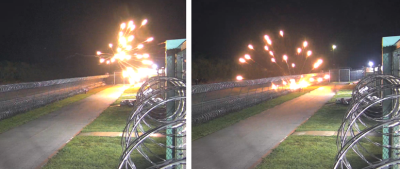
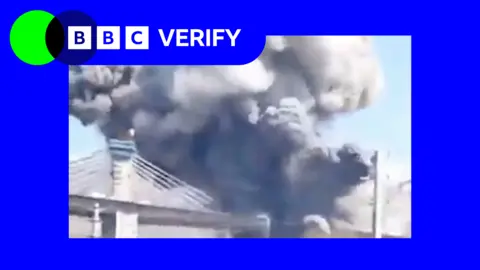
On Thursday, US aircraft attacked a bridge under construction in Karaj, killing at least 13 people, according to local officials. Footage confirmed by BBC showed substantial damage to the bridge following the strikes.
Trump shared footage of the attack online, claiming it resulted in the bridge being never to be used again.
Several industrial facilities have also been targeted, including Iran's largest steel manufacturer, leading to the suspension of its operations. Damage at other major steel facilities is reported to take up to a year to repair.
Israeli Prime Minister Benjamin Netanyahu stated that the strikes have disrupted approximately 70% of Iran's steel manufacturing capability, raising severe concerns about its long-term economic impact.
Strikes have also hit Iran's pharmaceutical industry, with Israeli Defense Forces claiming involvement based on allegations that crucial chemicals were transferred for prohibited use.
The strikes have been met with considerable criticism, and there is ongoing debate about their legality under international law, especially concerning the protection of civilian infrastructure and populations.
Legal experts assert that without clear military advantage, targeting civilian infrastructure could be categorized as a war crime, calling for thorough investigations into the matter.
As these tensions continue to unfold, the humanitarian concerns and the implications of the strikes on civilian life in Iran remain at the forefront of international discourse.