In brief
In a bold move to counter alleged unfair trade practices, the United States has imposed 10‑12.5% duties on imports from 60 key partners, including the UK, China and the EU. The levies, framed around allegations of forced labour, also reflect Trump’s long‑standing strategy to protect domestic manufacturing. Experts argue the real motive lies in trade deficits and industry lobbying. While many nations have condemned the decision, some, like the UK, receive exemptions on specific goods. The trade war’s expansion could reshape international supply chains and spur new alliances.
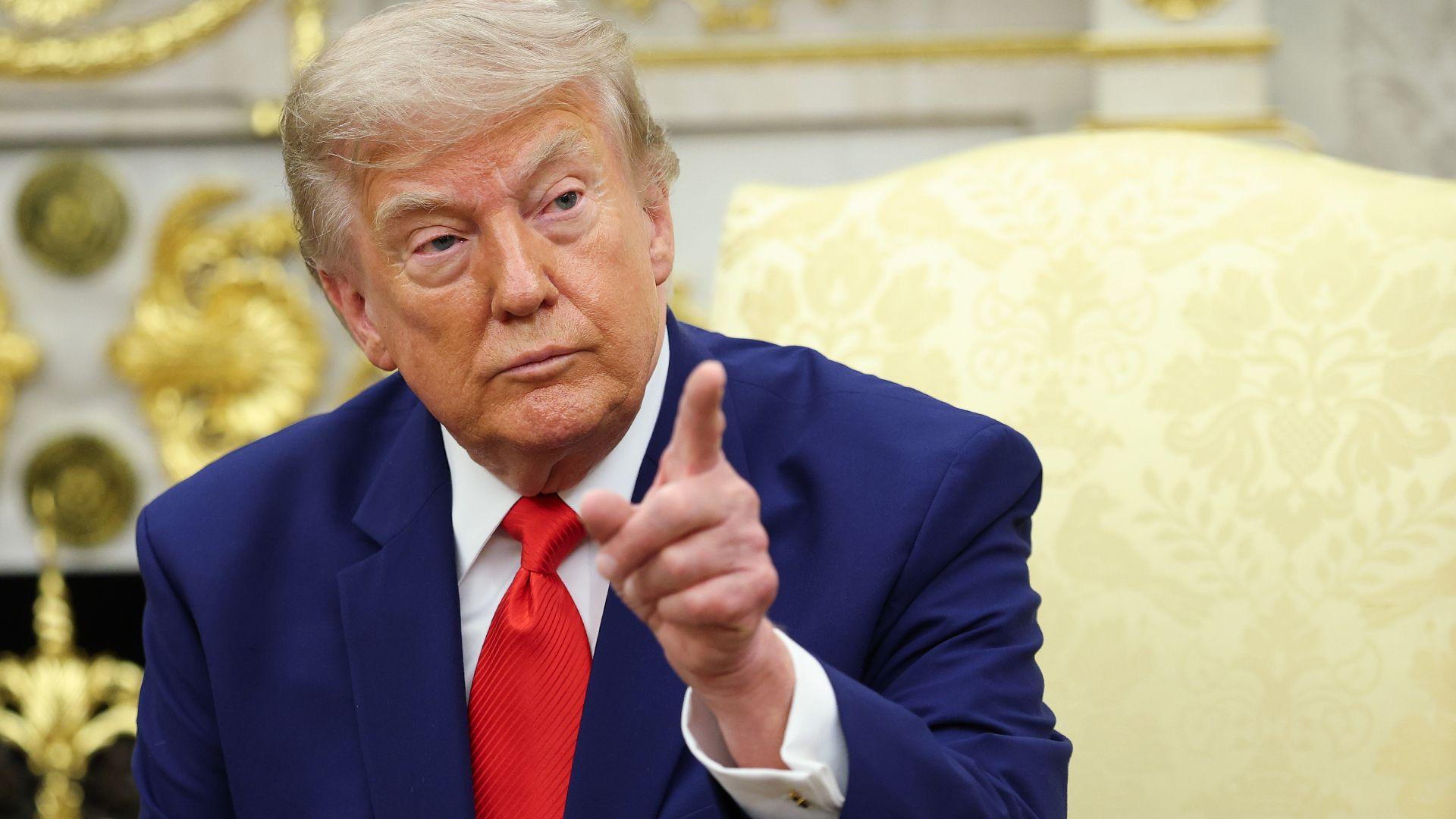
Washington announced a sweeping shift in its trade policy, applying 10‑12.5% duties on imports from 60 major partners. The measure, issued by President Donald Trump, marks the latest escalation in a longer‑running trade fight that began this year with a drive to curb what the U‑S sees as forced labour in supply chains.
These new tariffs replace an earlier blanket 10% levy that expired last Friday. According to the Office of the US Trade Representative, the top 60 partners—accounting for 99.4% of U‑S imports—will be hit. Of those, countries that have committed to enforcing bans on forced labour will be charged the lower 10% rate; those that have not will face 12.5%.
“Today’s action will begin to correct a human rights abuse and a distortive trade practice to improve the welfare of workers everywhere,” said US Trade Representative Jamieson Greer. Critics, however, note that the tariff justifications appear to be a pretext: “It’s not about forced labour; it’s about the trade deficit and protecting U‑S manufacturing,” explained Caroline Freund, a trade‑policy expert.
Business groups worldwide warn that raised import costs will ripple through supply chains. The Asia Society Policy Institute’s Wendy Cutler warns that while the levies may be softened by exemptions, “most trading partners will be disappointed, and some will look for new partners to reduce dependence on the U‑S.”
In the UK, the Government confirmed that whisky will remain exempt, following a deal signed during the State visit of King Charles. Exemptions are also being negotiated for other products. The European Union faces a 10% universal tariff that does not stack on top of individual duty categories, a move that critics say undermines the UK's comparative advantage. Digital diplomacy figures such as William Bain say UK firms should adapt to maintain parity.
Across the globe, leaders and trade ministries have voiced strong criticism. Brazil described the 12.5% rate as “unjustified,” while Japanese officials expressed regret, and Australian Trade Minister Don Farrell called the tariffs “completely unjustified.” China’s foreign ministry a‑roundly denied the existence of forced labour, pointing to political manipulation. Yet numerous human‑rights NGOs confirm forced labour practices in Chinese Xinjiang.
Trump’s tariff history is extensive: in April 2025 the “Liberation Day” tariffs reached 50% on global partners, only to be struck down in February 2026. A temporary 10% levy on all global imports replaced those measures until Friday’s expiration. The White House now’s turned to a more targeted approach, focusing on 60 partners while keeping the legal veneer of forced‑labour enforcement.
Looking forward, the administration is exploring further tariffs on 16 other nations, which cover the vast majority of U‑S imports, as it investigates claims of manufacturing overcapacity. Trade‑deficit motives and political signalling will likely continue to drive the department’s policy crafting a tense, uncertain pavement for global commerce.