In brief
Venezuelan oil has arrived in the United States again, aided by changing diplomatic dynamics. A Chevron refinery in Pascagoula, Mississippi, has begun processing the heavy crude oil from Venezuela, previously hindered by US sanctions. This development comes as global oil prices are influenced by tensions in the Strait of Hormuz, and local gasoline prices continue to rise despite the potential for cheaper supply. Experts believe an increase in Venezuelan oil imports could ultimately lead to lower prices for consumers in the US.
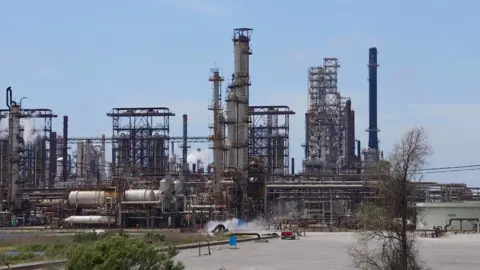
The Minerva Gloria is docked at a wharf in the Mississippi Sound, transporting 400,000 barrels of crude oil from Venezuela. This marks a significant shift, as Venezuela has the world's largest oil reserves but has seen a decline in exports due to sanctions and mismanagement under former president Nicolas Maduro. Following a change in US policies, particularly after the military's involvement in Venezuela, US oil giant Chevron has resumed importing Venezuelan crude, now averaging around 250,000 barrels a day. Chevron's Pascagoula refinery, equipped to process heavy Venezuelan oil, is starting to ramp up operations, with expectations to potentially increase imports to 400,000 barrels a day. This increased supply may eventually bring down gasoline prices in the US, although current prices remain high due to global market pressures caused by ongoing conflicts. The arrival of Venezuelan oil has sparked discussions around its long-term impact on the US economy and its gas prices, with consumers anxiously awaiting a potential decrease.