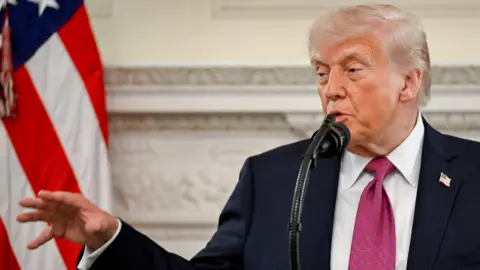
The clock is ticking on President Donald Trump's threat to wipe out much of Iran's civilian infrastructure if the country doesn't strike a deal by Tuesday evening in the US. However, military experts warn that Trump's aggressive stance has left him cornered, with threats that the US military simply cannot feasibly carry out in one fell swoop.
Trump has declared he would destroy 'every bridge' and power station in Iran within four hours if a deal isn't reached by 20:00 EST (00:00 GMT Wednesday). His alarming rhetoric continued with the warning that 'a whole civilization will die' if demands are not met. Such statements mark an unprecedented threat from a US president, raising serious concerns among international law experts who interpret targeting civilian infrastructure as potential war crimes.
Additionally, analysts caution that even a large-scale attack wouldn't necessarily compel the Iranian regime to agree to a ceasefire or negotiations. The logistical challenges of executing simultaneous strikes across a country the size of Iran within a short timeframe are immense.
While Trump may anticipate that crippling Iran's power supply could pressure the regime, experts indicate that Iranian civilians already endure power shortages and may not see these actions as a substantial new threat. Moreover, further attacks could complicate efforts to reopen the Strait of Hormuz, which has been a flashpoint in global oil markets.
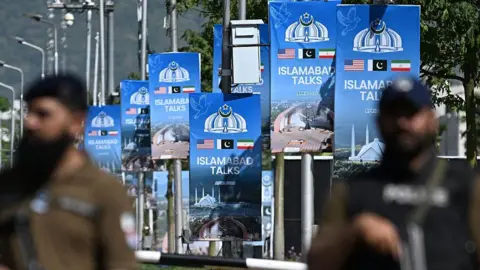
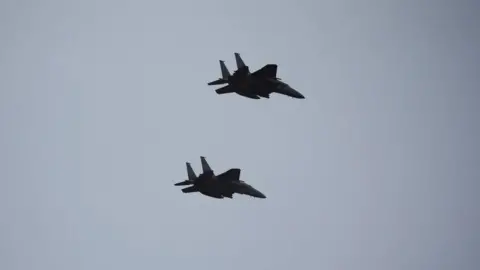
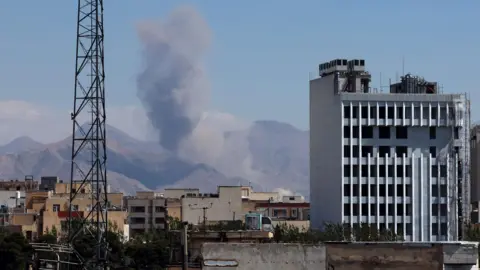
As talks proceed, Pakistan's Prime Minister has urged Trump to extend the deadline by two weeks to facilitate a diplomatic resolution. With military actions underway, including recent airstrikes on Iranian targets, the situation remains fraught with tension and uncertainty.
Trump has declared he would destroy 'every bridge' and power station in Iran within four hours if a deal isn't reached by 20:00 EST (00:00 GMT Wednesday). His alarming rhetoric continued with the warning that 'a whole civilization will die' if demands are not met. Such statements mark an unprecedented threat from a US president, raising serious concerns among international law experts who interpret targeting civilian infrastructure as potential war crimes.
Additionally, analysts caution that even a large-scale attack wouldn't necessarily compel the Iranian regime to agree to a ceasefire or negotiations. The logistical challenges of executing simultaneous strikes across a country the size of Iran within a short timeframe are immense.
While Trump may anticipate that crippling Iran's power supply could pressure the regime, experts indicate that Iranian civilians already endure power shortages and may not see these actions as a substantial new threat. Moreover, further attacks could complicate efforts to reopen the Strait of Hormuz, which has been a flashpoint in global oil markets.
As talks proceed, Pakistan's Prime Minister has urged Trump to extend the deadline by two weeks to facilitate a diplomatic resolution. With military actions underway, including recent airstrikes on Iranian targets, the situation remains fraught with tension and uncertainty.