US Inflation Slows in July as Food and Fuel Prices Ease
US inflation eased in July, rising 3.4% over the past year—slightly below the 3.5% increase reported for June.
Energy remains volatile amid ongoing Middle East tensions. While gasoline prices slipped 2.9% compared with the previous month, they climbed 24.6% over the year.
Monthly inflation ticked up 0.1% mainly due to higher housing costs, illustrating how even small rent changes can influence the overall CPI, which represents a large share of household spend.
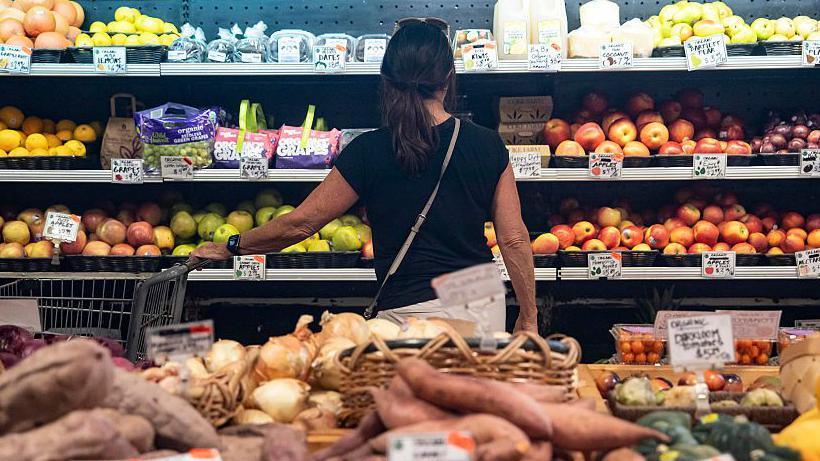
Food prices grew only marginally, and at a slower pace than in June, while energy costs fell, giving consumers some relief.
These figures show prices rising more slowly, not falling overall. Core inflation—excluding food and energy—gained 0.2% after staying flat in June, with medical care and airline tickets edging higher and car insurance costs falling.
New Federal Reserve chair Kevin Warsh emphasised that the bank’s priority remains to bring inflation down gradually, avoiding sudden shocks. Warsh noted that the Fed cannot simply “undo” years of above‑target inflation in an instant and must remain patient as price growth cools.
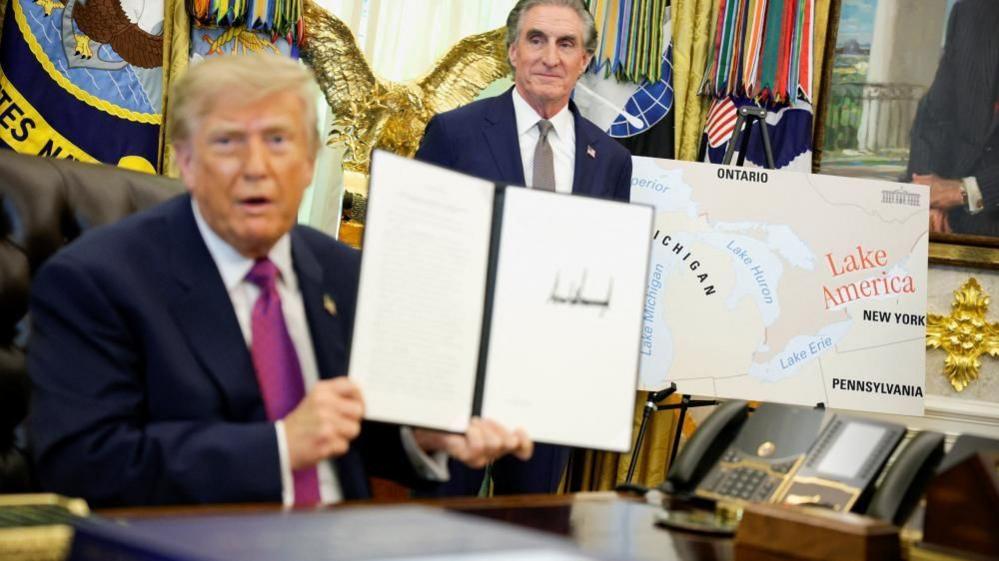
President Donald Trump also highlighted the ongoing high cost of living, citing rent and grocery bills as key concerns.
Financial markets reacted calmly, with stocks little changed and ranging broadly in line with expectations.
Recent labour market data softening expectations for a rate increase after July’s report showed a loss of jobs.