In brief
For more than 250 days at sea, thousands of crew members aboard the USS Abraham Lincoln have faced food shortages, broken plumbing and deteriorating mental health. The ship’s extended deployment beyond its original May deadline has spurred congressional pressure for a swift Pentagon investigation and a reassessment of Navy sustainability. While the Navy calls the reports misrepresented, supply chain disruptions raise serious questions about operational capacity. The incident comes amid ongoing tensions in the Middle East and larger concerns about sailor welfare on lengthy deployments.
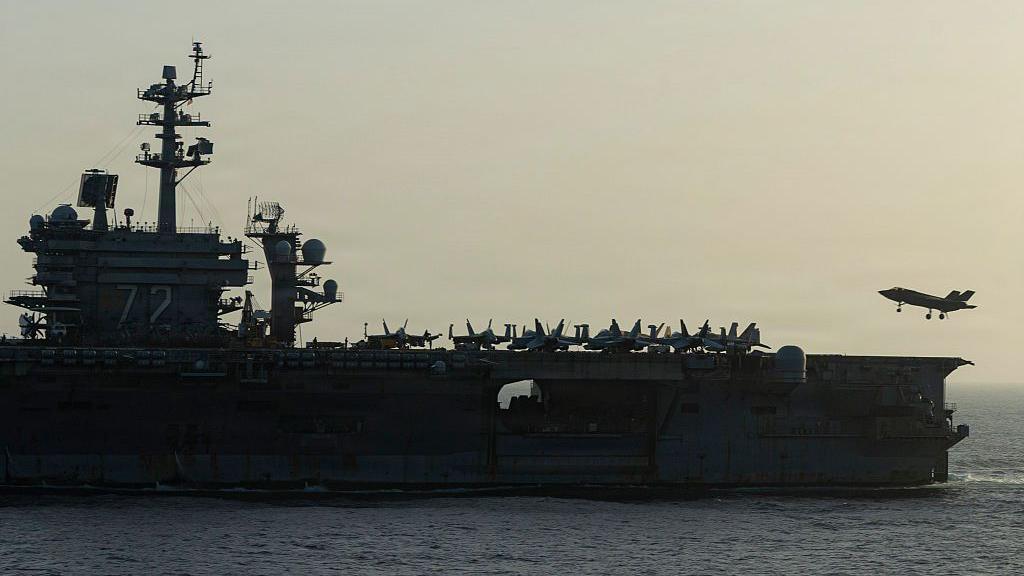
Thousands of United States Navy personnel who have spent more than 250 days aboard the USS Abraham Lincoln report serious shortages of food and water, broken plumbing and rising exhaustion.
Lawmakers from both parties have pressed the Pentagon for a detailed account of the carrier’s new situation and demanded an explanation of why the ship’s 178‑day original schedule remains unfulfilled.
Members of the Armed Services Committee have highlighted the ongoing challenges, including “moldy showers, broken toilets, laundry outages, and limited hot water.” In one family’s account, a sailor’s weight loss since deployment reached 65 pounds (29 kg).
Senator Richard Blumenthal wrote a letter to Secretary of the Navy Pete Hegseth noting that: “Shortages of basic supplies, water contamination, plumbing issues, deteriorating mental health, deck safety concerns, and disruptions in the mail system have caused many care packages to be lost for months.”
Despite these claims, the Navy’s Secretary has denied the allegations as “completely misrepresented.” Hegseth stated, “The government ensures every ship, every crew, every captain gets everything we can provide them at every single moment.”
Reports of a sailor’s accidental overboard incident in April, recovered by helicopter and transferred off the ship for medical care, sparked further criticism. The ceremony, still under investigation, illustrates the potential risks of extended deployments.
Military authorities have promised that the ship will receive priority supplies: “First food, then hygiene items, then mail.” Yet United States congressional dissidents remain unconvinced that consistent, adequate provisioning is guaranteed.
Historically, the Navy has implemented programs such as bingo, art sessions and singing contests to offset isolation during lengthy missions. One study cited 956 sailors in January 2025, noting that “serious psychological distress” is highest among ship‑based personnel.
In line with the broader context of rising suicide rates in the U.S. Navy, bipartisan support remains urgent. The Navy is working to maintain “mission‑critical supplies” while critics urge expanded oversight.
If you or someone you know is affected by the conditions described, contact the BBC Action Line. Outside of the UK, international help is available from Befrienders Worldwide or the U.S. Suicide and Crisis Lifeline at 988.