In brief
Typhoon Bavi has stretched over 1,000 km and is now entering the coastal waters near Wenzhou, China. A massive evacuation of hundreds of thousands of residents has already begun as authorities warn of exceptionally heavy rain and storm surges. The storm, which weakened to Category 1, still carries thousands of cubic metres of moisture that could trigger flooding and landslides. Earlier in the Pacific, Bavi brushed off Japanese islands and caused disruptions in Taiwan, while a separate typhoon, Maysak, had already left tragic losses in southern China. As Bavi approaches, the focus remains on safeguarding vulnerable coastal communities and anticipating secondary hazards.
Hundreds of thousands of people have been evacuated from eastern China as Typhoon Bavi, the country's second major storm in a week, barrels toward the coast.
Bavi, roughly the width of France at its widest point—about 1,000 km—is projected to make landfall near the bustling port city of Wenzhou on Sunday morning.
After its violent passage through a chain of remote Japanese islands and causing heavy rainfall in Taiwan, Bavi weakened to a Category 1 typhoon but still carries an enormous volume of moisture within its rainbands, raising the risk of flooding.
Authorities in Zhejiang and Fujian provinces have warned that Bavi will bring “exceptionally heavy rains”, prompting evacuations across the region to guard against a worst‑case scenario.
Wenzhou, home to about 10 million people, sits almost directly on the storm’s projected path. The city’s residents are being ordered to leave homes in flood‑prone districts, while local authorities are securing public buildings and restoring power supplies.
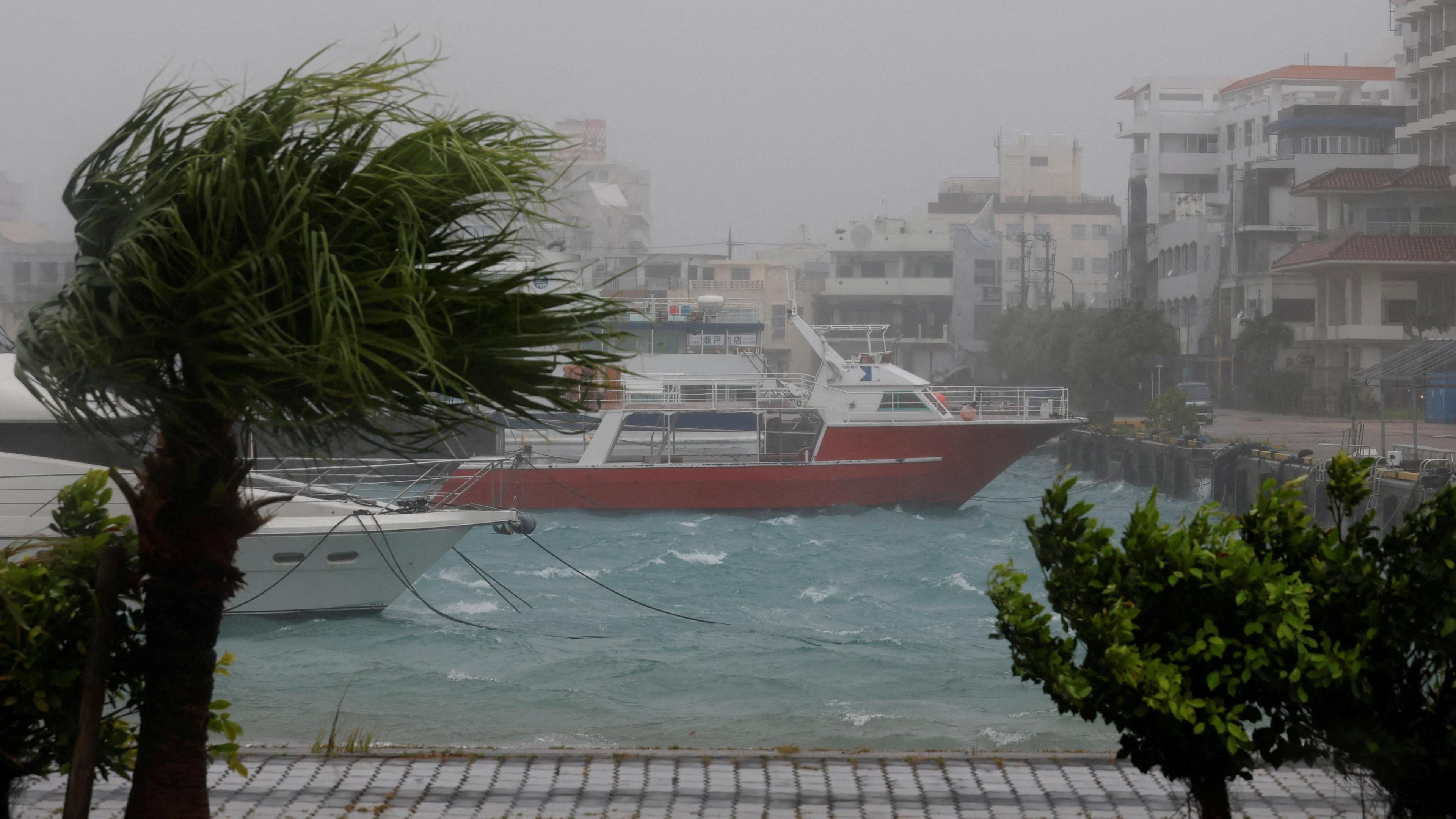
Bavi began as a super‑typhoon last Monday, battering Guam and the Northern Mariana Islands with wind speeds of 290 km/h (180 mph). It weakened to 144 km/h as it passed the Sakishima islands—a part of Japan’s Ryukyu chain—causing at least five injuries and power outages for thousands.
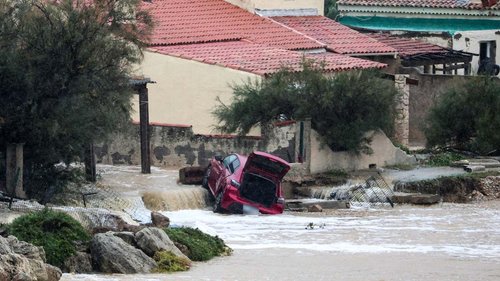
Although Taiwan did not see a direct hit, the island experienced heavy rainfall that forced many citizens to abandon their homes and raised concerns about landslides. No deaths have been reported there so far.
South China is still dealing with the aftermath of a recent typhoon, Maysak, which caused at least 39 fatalities, devastated livestock, and triggered two rare tornadoes in Hubei province. The agricultural losses and infrastructure damage from that storm are still being assessed.
In preparation for Bavi, flights to and from the region have been cancelled, schools have suspended classes, and supermarkets have seen a surge in purchases as residents stock up on supplies.