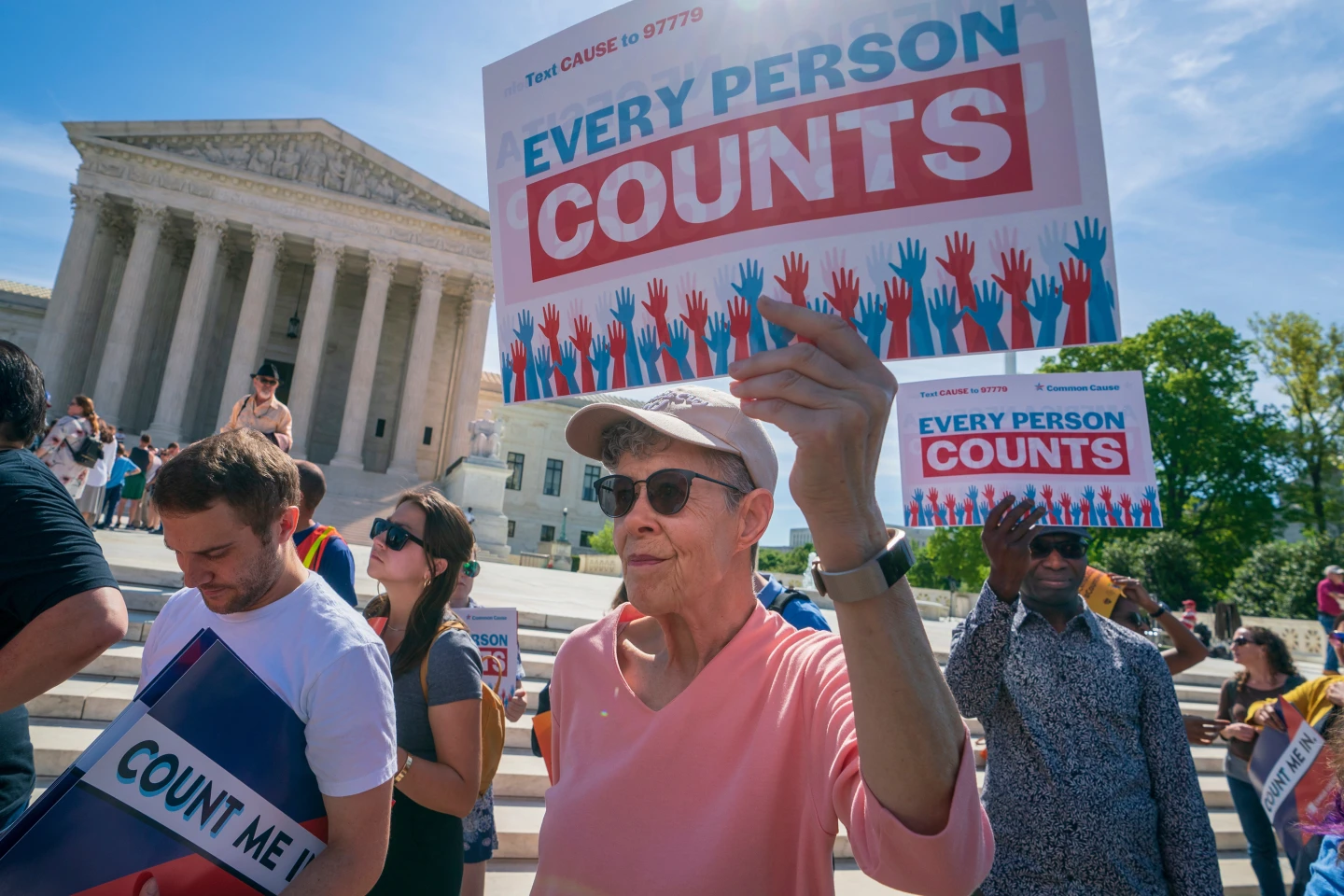
ORLANDO, Fla. — As the next U.S. census approaches in 2030, two lawsuits currently in progress could have far-reaching implications on its execution and the demographic inclusivity of the count. Backed by associates of former President Donald Trump, these federal lawsuits contest the U.S. Census Bureau's methods, which play a crucial role in determining congressional representation and the allocation of federal resources.
In one lawsuit led by America First Legal, a conservative legal group co-founded by Stephen Miller, the challenge is focused on the privacy measures used by the Census Bureau and how individuals in group settings, such as nursing homes, are counted. The lawyers aim to prevent the usage of these methods in future censuses and seek a revision of the 2020 count.
“The objective is to halt unlawful practices that compromise equal representation and to ensure adherence to constitutional standards in the upcoming census,” stated Gene Hamilton, the group’s president.
The second lawsuit, filed in Louisiana by Republican Attorneys General alongside the Federation for American Immigration Reform, seeks to exclude illegal immigrants from the census count used to redraw congressional districts. Both cases have attracted intervention from Democratic parties concerned that the U.S. Justice Department may not robustly defend the Census Bureau.
As these legal challenges continue to unfold, the Census Bureau remains committed to its planning efforts for the 2030 count, with practice counts slated for six different locations this year.
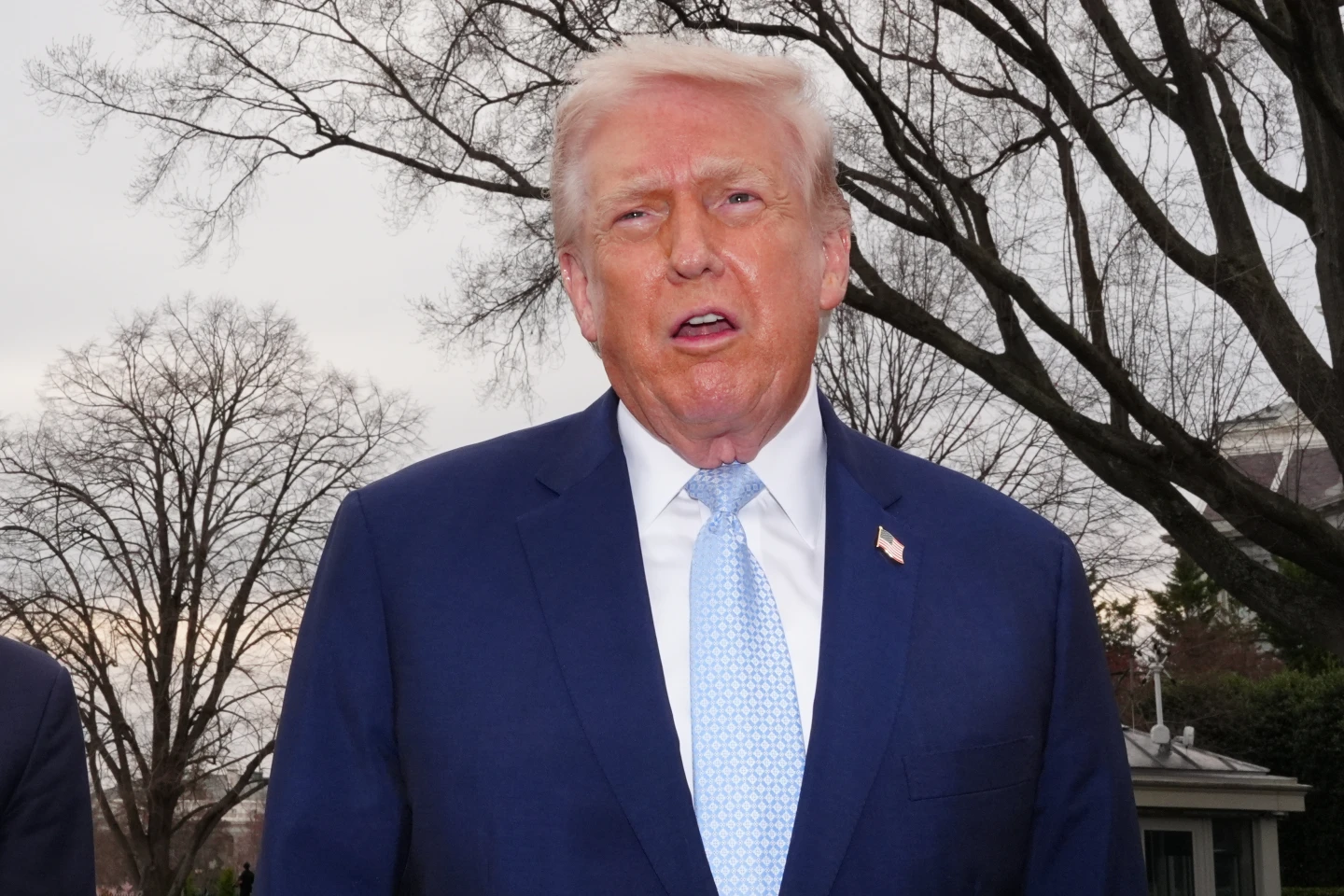
The implications of these lawsuits are significant, especially concerning the partisan divide over who is counted, as they resonate with core elements of Trump’s administration focus, particularly on issues of immigration. While these legal debates transpire, the Census Bureau’s operational integrity and the accurate representation of the American populace hang in the balance.
In one lawsuit led by America First Legal, a conservative legal group co-founded by Stephen Miller, the challenge is focused on the privacy measures used by the Census Bureau and how individuals in group settings, such as nursing homes, are counted. The lawyers aim to prevent the usage of these methods in future censuses and seek a revision of the 2020 count.
“The objective is to halt unlawful practices that compromise equal representation and to ensure adherence to constitutional standards in the upcoming census,” stated Gene Hamilton, the group’s president.
The second lawsuit, filed in Louisiana by Republican Attorneys General alongside the Federation for American Immigration Reform, seeks to exclude illegal immigrants from the census count used to redraw congressional districts. Both cases have attracted intervention from Democratic parties concerned that the U.S. Justice Department may not robustly defend the Census Bureau.
As these legal challenges continue to unfold, the Census Bureau remains committed to its planning efforts for the 2030 count, with practice counts slated for six different locations this year.
The implications of these lawsuits are significant, especially concerning the partisan divide over who is counted, as they resonate with core elements of Trump’s administration focus, particularly on issues of immigration. While these legal debates transpire, the Census Bureau’s operational integrity and the accurate representation of the American populace hang in the balance.