A week on from the dramatic raid that captured Venezuela's Nicolás Maduro, details of the intelligence surrounding the operation are becoming clearer, but some mysteries still remain.
The mission took months of planning and intelligence gathering. In August the CIA is believed to have sent a team of undercover officers into Venezuela. With no functioning embassy in the country, the team operated under significant risks without diplomatic protections, gathering vital ground intelligence.
US officials noted that a particularly close source from within the Venezuelan government provided critical updates on Maduro's movements, heightening speculation about their identity and safety. This human intelligence contributed to crafting a sophisticated operational strategy combined with technical resources like satellite imagery.
The operation itself was marked by unprecedented scale and precision, described by former CIA officials as functioning like clockwork. Approximately 150 aircraft, including helicopters flying close to the ground, were involved in the mission, which proceeded with surprising efficiency.
However, aspects of the operation remain shrouded in secrecy, particularly concerning the US's ability to turn off electricity in Caracas, creating a tactical advantage for the special forces. Speculation suggests involvement from cyber units or advanced electronic warfare technologies.
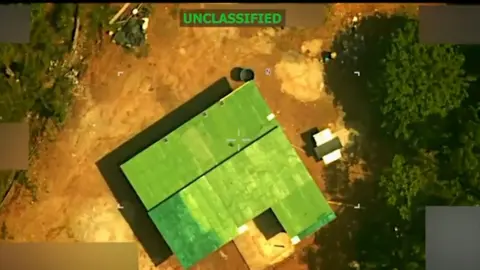
The engagement at Maduro's compound saw minimal US casualties, but reports of numerous fatalities among Cuban bodyguards raise questions about the security dynamics protecting Maduro. As US forces closed in on Maduro, he was reportedly attempting to secure himself in a steel safe room, illustrating the critical timing and intelligence depth behind the operation.
Overall, classified assessments and potential back-channel communications with elements of Maduro's regime hint at a complex strategy aimed not just at removing the Venezuelan leader but also at fostering future political stability in the region.
}