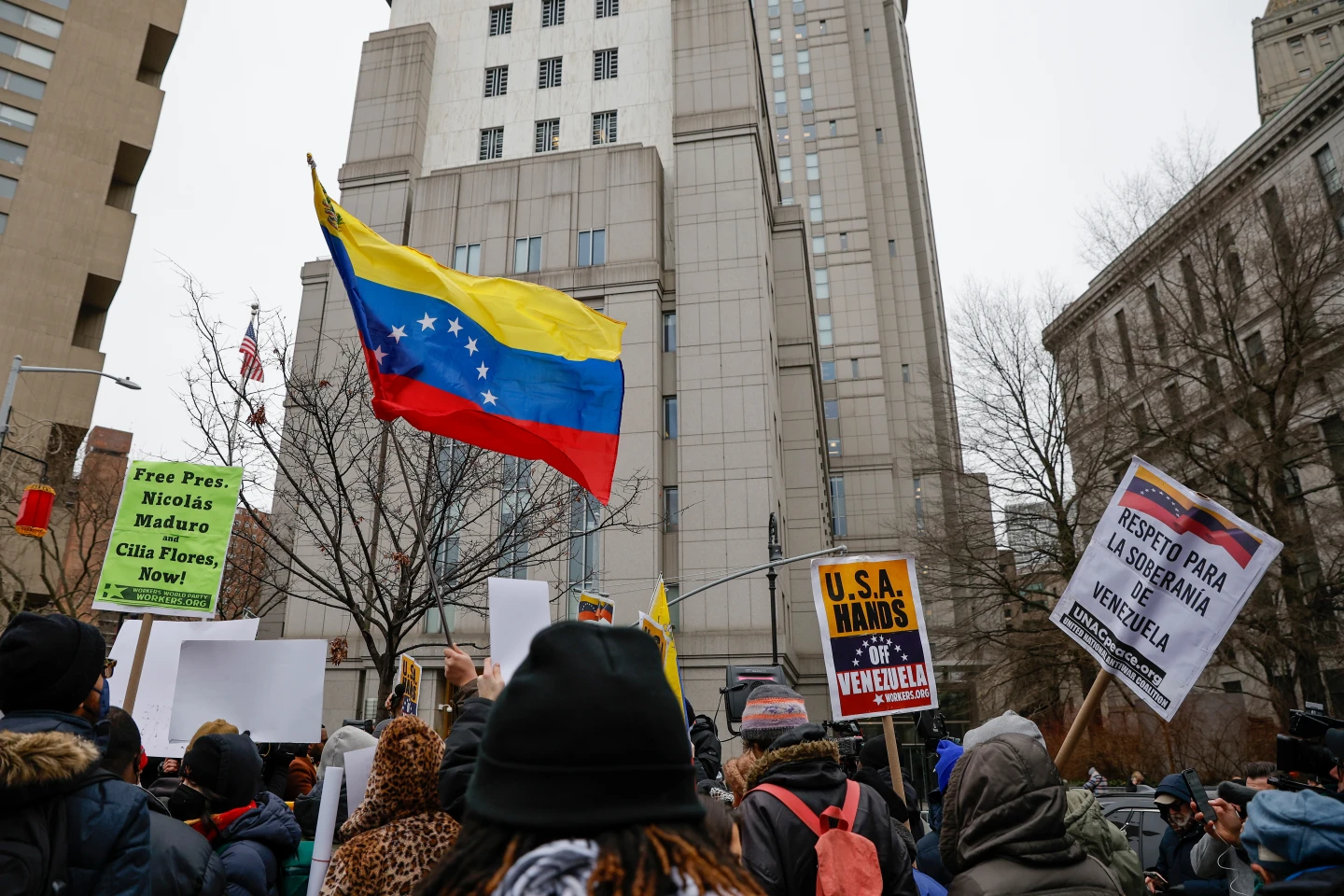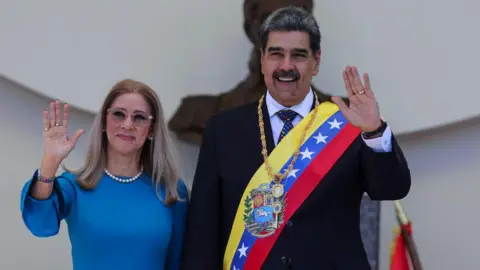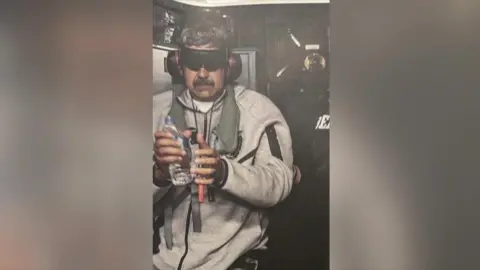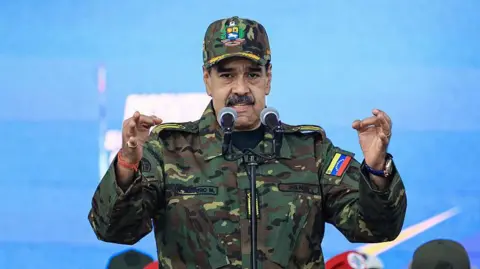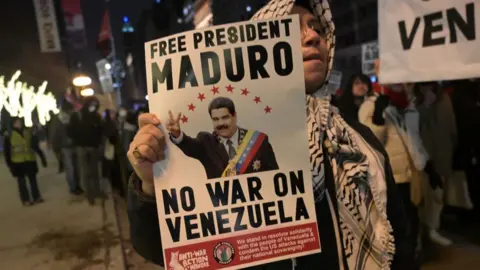
On Monday morning, a handcuffed, jumpsuit-clad Nicolás Maduro stepped off a military helicopter in New York City, flanked by armed federal agents. The Venezuelan president had spent the night in a notorious federal jail in Brooklyn, before authorities transported him to a Manhattan courthouse to face criminal charges.
Attorney General Pam Bondi has stated that Maduro was brought to the US to face justice. However, international law experts are raising questions about the legality of the Trump administration's actions, suggesting they may have breached international statutes governing the use of force. Domestically, the actions taken by the US fall into a legal gray area that may still allow Maduro to stand trial regardless of how he was brought to the country.
The US justifies its operation, claiming Maduro is implicated in narco-terrorism and facilitating large-scale cocaine trafficking into the country. Despite Maduro’s denials of these allegations, the context surrounding his indictment spotlights broader issues regarding international law.
Legal experts argue that the manner in which the U.S. captured Maduro was illegal under international law, suggesting that conducting a military operation in another sovereign nation breaches established protocols. Furthermore, they emphasize that such drug trafficking accusations should be treated as law enforcement issues rather than a basis for military action.
Maduro’s legal team in court plans to challenge the legality of the U.S. operation that led to his capture, underscoring a contentious debate on whether nations can enforce arrest warrants in foreign territories without mutual consent or proper extradition processes.
Underlying this complex situation is the long-standing tension between U.S. foreign policy and international law norms, raising questions about precedent and future military interventions by the U.S. in foreign states related to allegations of drug trafficking and other criminal activities.