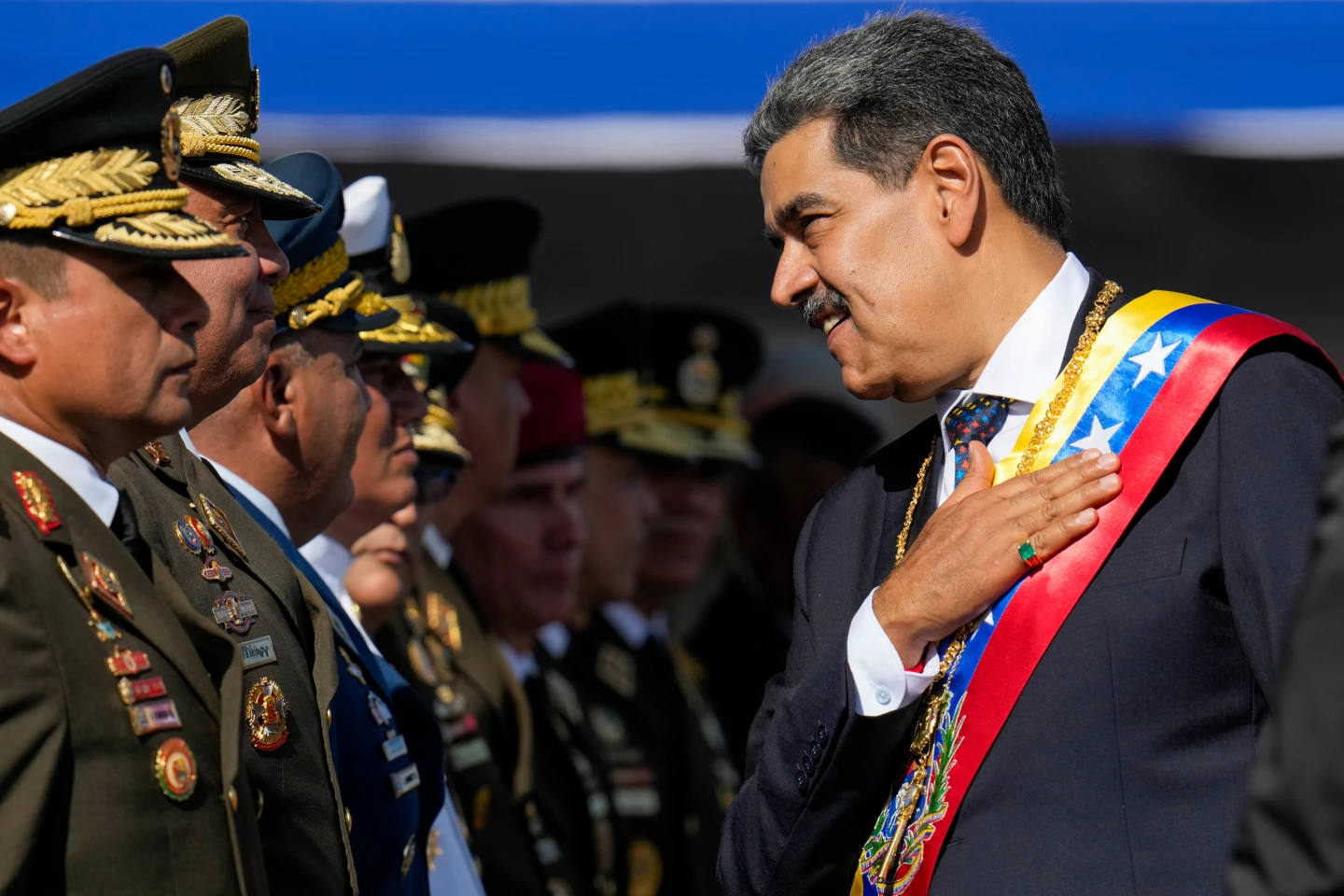
NEW YORK (AP) — Deposed Venezuelan President Nicolás Maduro is set to make his first appearance Monday in an American courtroom on the narco-terrorism charges that the Trump administration used to justify capturing him and bringing him to New York.
Maduro and his wife are expected to appear before a judge at noon for a brief legal proceeding that will likely start a prolonged legal battle regarding whether he can stand trial in the U.S.
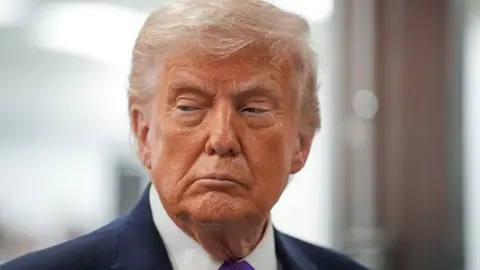
The couple will be brought from a Brooklyn jail to a Manhattan courthouse just a short distance from where former President Donald Trump was convicted in 2024 for falsifying business records.
As a defendant in the U.S. legal system, Maduro will be granted the same rights as any accused individual, including a trial by a jury of New Yorkers. However, his situation is poised to be exceedingly unique.
Maduro’s defense team plans to contest the legality of his arrest, claiming he is immune to prosecution as a sovereign head of state. This argument echoes the 1990 defense attempted by Panamanian dictator Manuel Noriega, who was captured during a U.S. military invasion but ultimately failed to secure immunity.
The current U.S. administration does not recognize Maduro as the legitimate leader of Venezuela, particularly following a highly disputed reelection in 2024.
Venezuela’s interim president, Delcy Rodríguez, has called for Maduro’s return, accusing the U.S. of overstepping its bounds while also striking a conciliatory tone by inviting collaboration with Trump.
Trump has expressed intention for the U.S. to exert influence in Venezuela, suggesting a temporary takeover while enforcing an existing 'oil quarantine'.
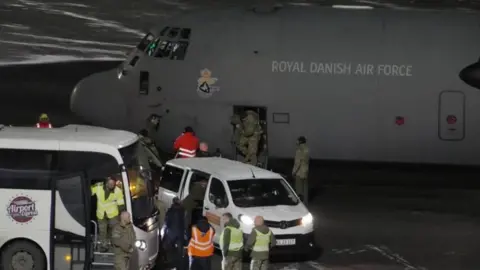
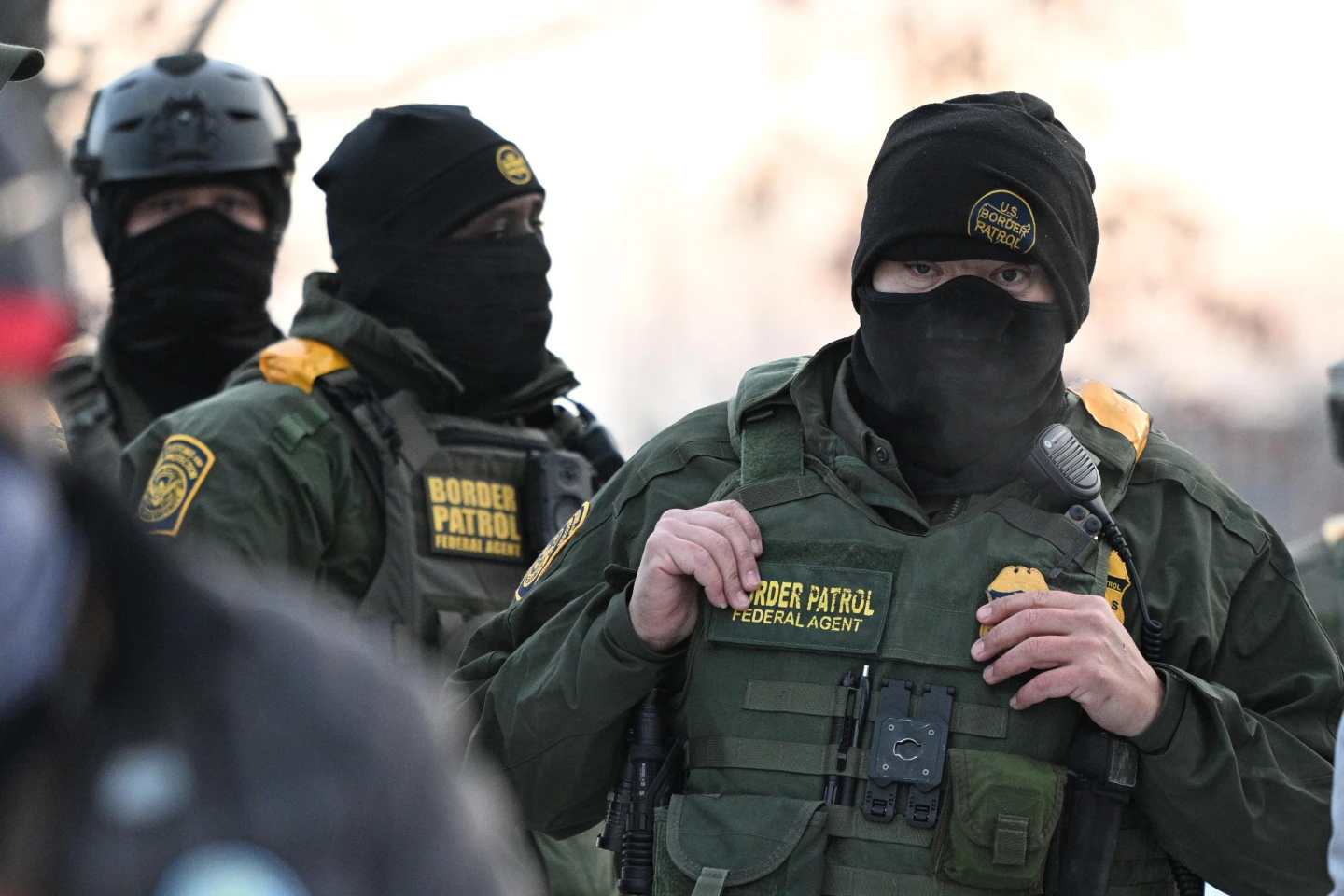
Federal agents captured Maduro during an operation at a military base and have indicated they are pursuing individuals connected to drug trafficking operations. Both Maduro and his wife face charges that could lead to life imprisonment if convicted.
In light of the charges, Maduro’s indictment reveals allegations of operating alongside drug cartels to facilitate cocaine shipments to the U.S., potentially introducing a new chapter in international legal proceedings against world leaders.