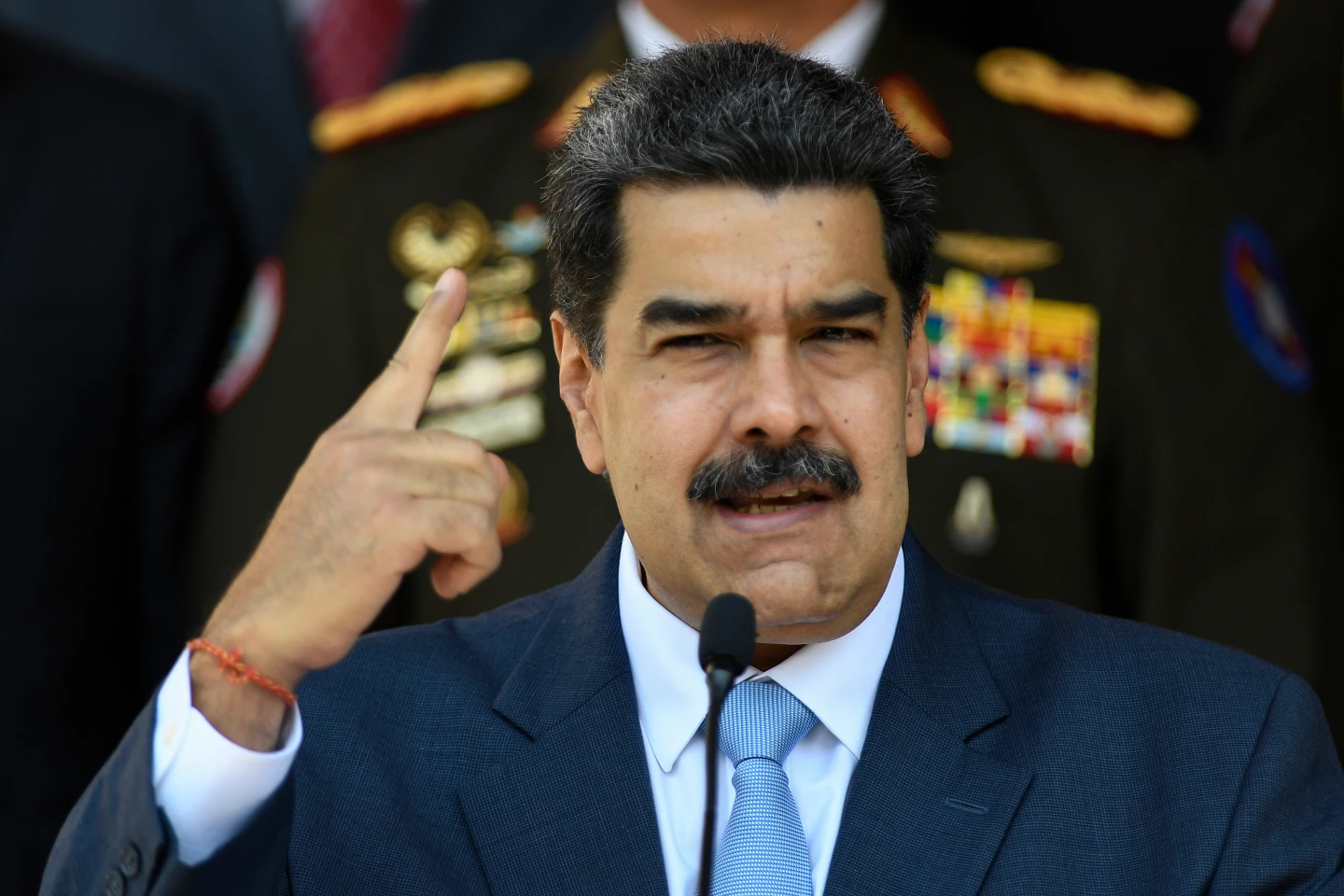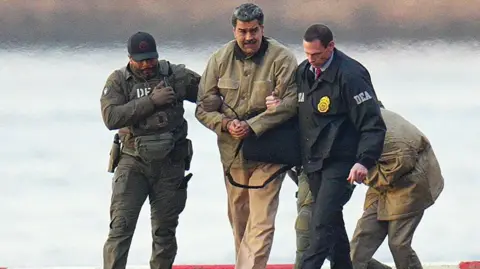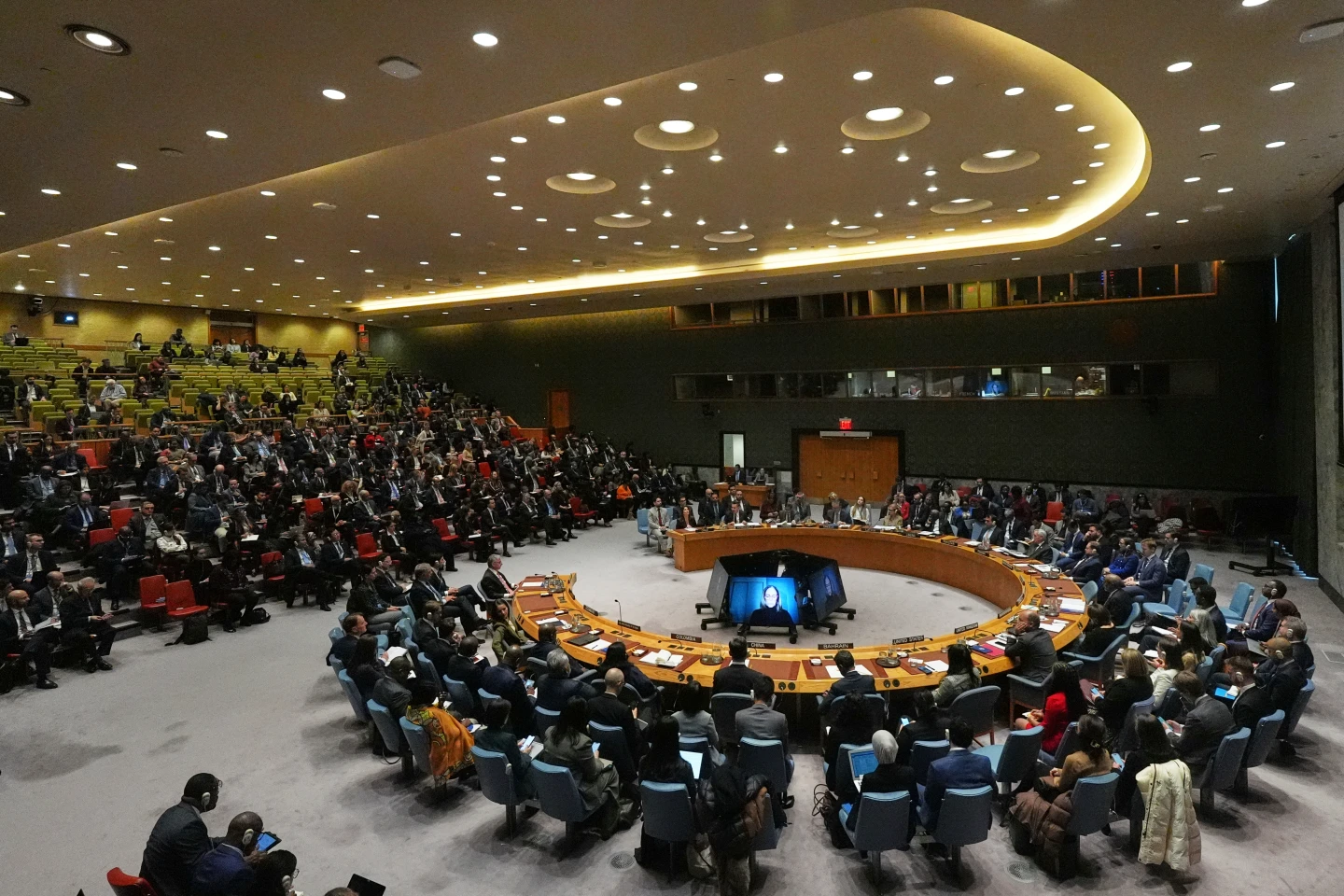
UNITED NATIONS (AP) — The UN Security Council held an emergency meeting on Monday following a bold U.S. military operation over the weekend that successfully captured leader Nicolás Maduro of Venezuela. This operation has raised alarms regarding potential violations of international law, with the UN's top official warning that the U.S. may have disregarded fundamental regulations governing state sovereignty.
Critics from both allies and opponents of the U.S. expressed their concern over President Donald Trump’s interventionist tactics. The meeting revealed fears that the U.S. may escalate its military presence in the region, hinting at operations against neighboring Colombia and Mexico under the guise of combating drug trafficking.
UN Secretary-General Antonio Guterres voiced his deep concerns, emphasizing that such actions could undermine future international relations. He stressed that the “inviolability of borders is not up for negotiation.” Denmark, a NATO counterpart, mirrored these sentiments, calling out the U.S. for its use of military force in political matters.
Colombian Ambassador Leonor Zalabata added that this raid mirrored historical U.S. interventions in Latin America, questioning the effectiveness of promoting democracy through violence. Russia’s UN Ambassador Vasily Nebenzya labeled the U.S. actions as a regressive step towards lawlessness and a violation of international norms.
Conversely, U.S. envoy Mike Waltz defended the operation as necessary law enforcement against a leader he labeled as a narco-terrorist. The U.S. had amassed military might off Venezuela’s coast leading up to this operation, which included targeting alleged drug trafficking boats.
In the context of international relations, Secretary of State Marco Rubio emphasized plans for enforcing an oil quarantine on sanctioned tankers from Venezuela, suggesting the U.S. intends to leverage its position to influence policy changes in the region. As Maduro faces prosecution in New York, the dramatic capture raises questions not just about U.S. foreign policy but the broader implications for sovereignty and international law.
Critics from both allies and opponents of the U.S. expressed their concern over President Donald Trump’s interventionist tactics. The meeting revealed fears that the U.S. may escalate its military presence in the region, hinting at operations against neighboring Colombia and Mexico under the guise of combating drug trafficking.
UN Secretary-General Antonio Guterres voiced his deep concerns, emphasizing that such actions could undermine future international relations. He stressed that the “inviolability of borders is not up for negotiation.” Denmark, a NATO counterpart, mirrored these sentiments, calling out the U.S. for its use of military force in political matters.
Colombian Ambassador Leonor Zalabata added that this raid mirrored historical U.S. interventions in Latin America, questioning the effectiveness of promoting democracy through violence. Russia’s UN Ambassador Vasily Nebenzya labeled the U.S. actions as a regressive step towards lawlessness and a violation of international norms.
Conversely, U.S. envoy Mike Waltz defended the operation as necessary law enforcement against a leader he labeled as a narco-terrorist. The U.S. had amassed military might off Venezuela’s coast leading up to this operation, which included targeting alleged drug trafficking boats.
In the context of international relations, Secretary of State Marco Rubio emphasized plans for enforcing an oil quarantine on sanctioned tankers from Venezuela, suggesting the U.S. intends to leverage its position to influence policy changes in the region. As Maduro faces prosecution in New York, the dramatic capture raises questions not just about U.S. foreign policy but the broader implications for sovereignty and international law.