In brief
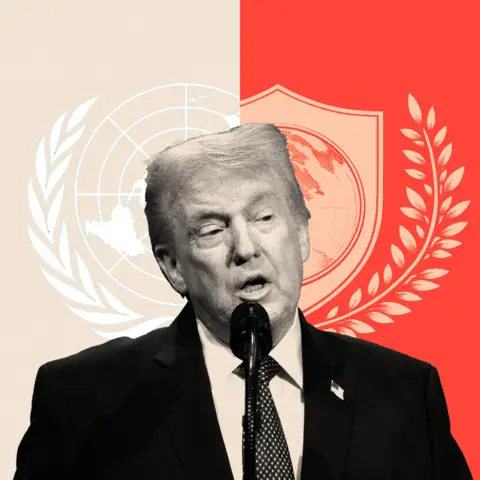
During the Davos Economic Forum, Donald Trump announced the launch of his Board of Peace, a move viewed by critics as an attempt to circumvent and undermine the United Nations. While Trump claimed the board could usher in peace and end long-standing conflicts, skepticism remains about the board's effectiveness and its potential to reshape international relations. The board, with Trump as lifetime chairman, is marked by its controversial charter provisions and substantial financial expectations for new members, highlighting the geopolitical dynamics at play.
Together we are in a position to… end decades of suffering, stop generations of hatred and bloodshed... Such was the promise of US President Donald Trump as he inaugurated his new Board of Peace at the Davos Economic Forum. Reflecting global despair over strife, Trump's rhetoric is met with skepticism as many perceive this initiative as an effort to dismantle the post-war international framework dominated by the United Nations.
Poland's Prime Minister Donald Tusk advised caution, suggesting the new Board could serve Trump's interests rather than genuine diplomatic efforts. Support from European leaders like Viktor Orban contrasts with broader international concerns over the board's implications.
The Board's charter, which entitles Trump to lifelong leadership and extensive powers, raises questions about its legitimacy and the cost of membership—$1 billion per additional country wanting a place at the table. The lack of focus on the Gaza situation amidst rising tensions there and in Ukraine further complicates this ambitious venture.
Despite its lofty goals, critics worry this initiative might simply be a vanity project for a president eager for a Nobel Peace Prize, highlighting the potential implications for global diplomacy and the future of the UN as international relations evolve.