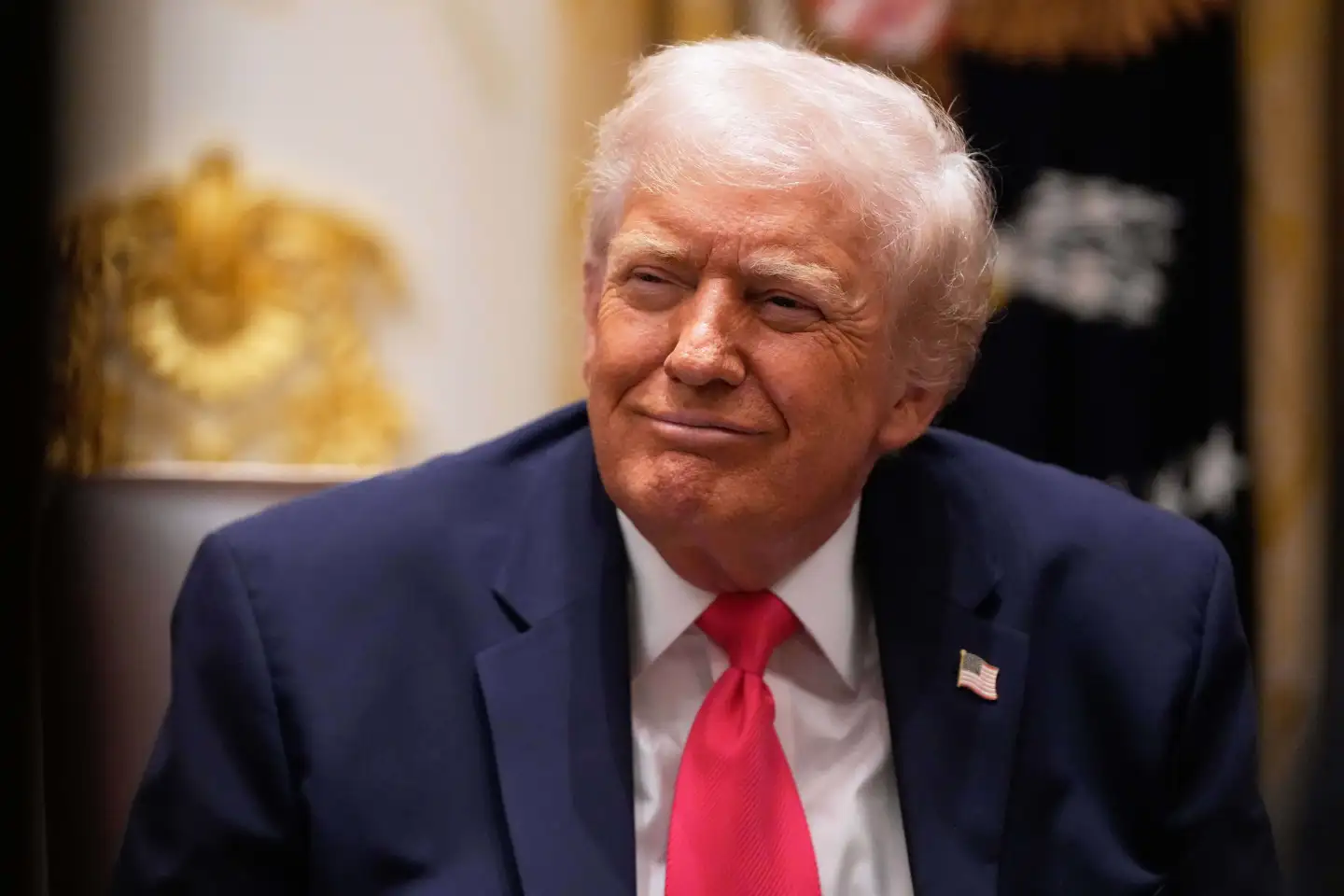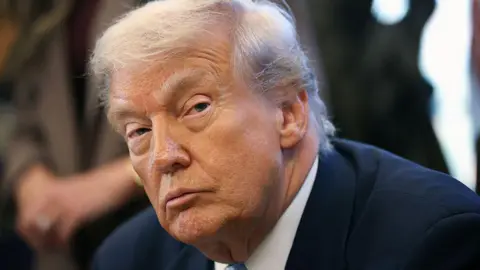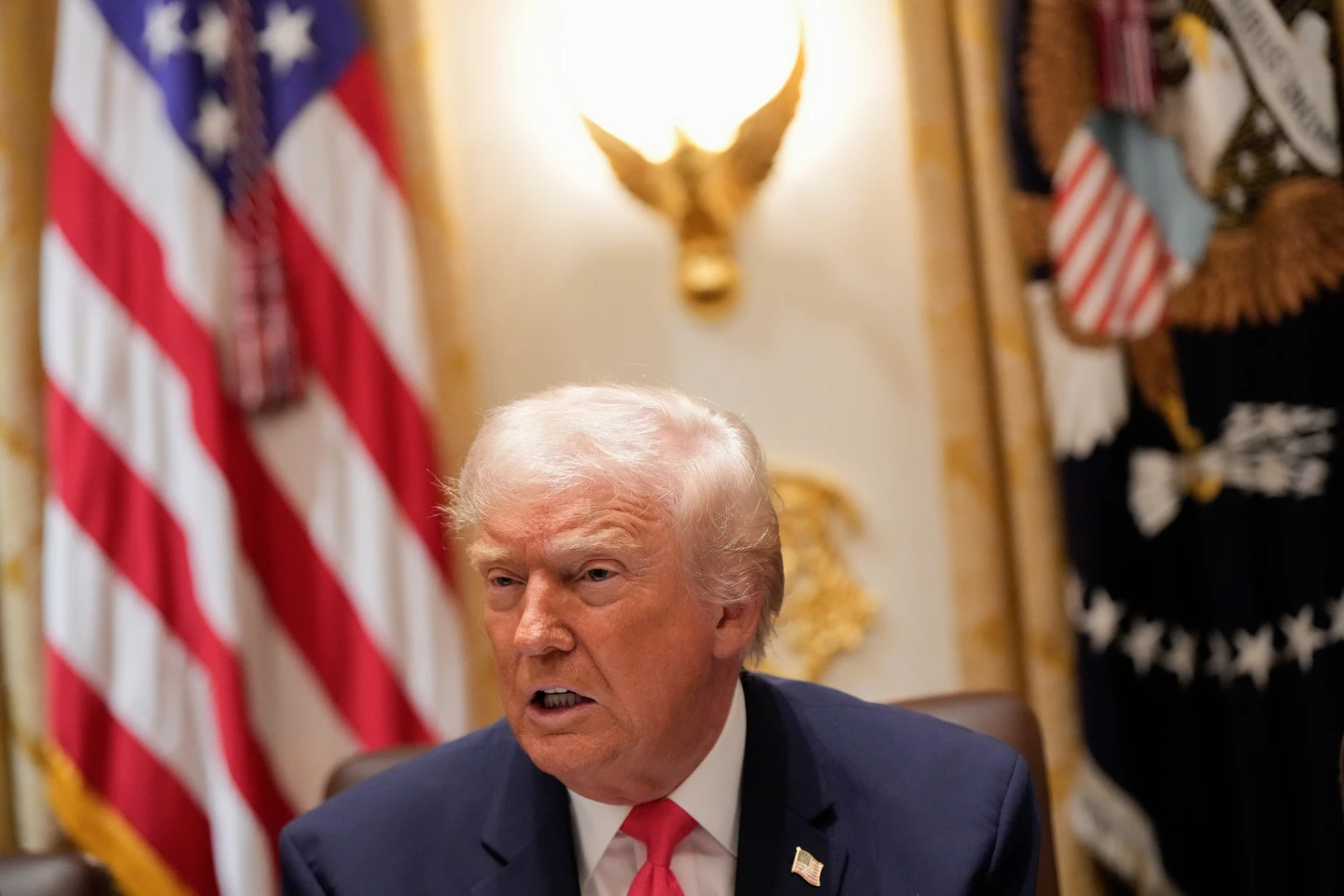
In a shocking two-minute conclusion of a Cabinet meeting, President Donald Trump reiterated his disdain for Somali immigrants in the United States, declaring them 'garbage' and insisting they should 'go back to where they came from.' This statement not only underscores Trump's long-standing anti-immigrant rhetoric but also signals a stark shift in the administration's approach to immigrant populations in America.
Trump has previously made headlines with derogatory comments regarding various immigrant groups, including labeling Mexico as a source of 'rapists' during his presidential campaign and referring to several African nations as 's---hole countries.' The president's latest comments were met with applause from his Cabinet members, indicating a disturbing acceptance of such language within his administration.
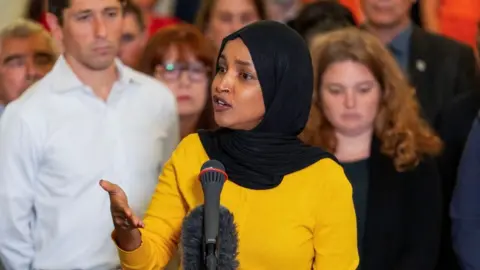
Experts assert that Trump's comments contribute to a culture that lessens the stigma around xenophobic discussions, with many fearing a normalization of such language in political discourse. Prominent figures, including Somali community members and political representatives, have expressed outrage over Trump's remarks. Representative Ilhan Omar criticized the president's language as 'creepy and unhealthy' while reaffirming her commitment to denounce scapegoating directed towards her community.
Historically, the U.S. has grappled with issues of immigration and identity, experiencing cycles of exclusion and acceptance that often coincide with socio-political climates. Trump's administration's current crackdown on immigration appears to revive questions about what it means to be American, especially as attitudes towards immigrants become increasingly divisive.
As grievances over immigration policies escalate, Trump faces both domestic and international repercussions. International reactions to his derogatory remarks reflect an increasing concern over the impact of such rhetoric on global perceptions of the United States.
In response, some experts have voiced that Trump's comments while inflammatory, may also have provided legitimation for those who harbor similar views, pushing anti-immigrant sentiment further into mainstream dialogue.