In brief
Democratic Governor Tim Walz publicly criticized President Donald Trump for his disparaging comments about Minnesota's Somali community, which Trump branded as 'garbage' and called the state a 'hellhole.' Walz argued that Trump's words slandered all Minnesotans and posed a threat to community cohesion. While Walz called for bipartisan condemnation, Republican leaders refrained from fully denouncing Trump's remarks, redirecting attention to issues of fraud in social services. Trump's comments come amid an immigration enforcement operation focusing on Somalis living unlawfully in the state, stirring a mix of concern and support from various political figures.
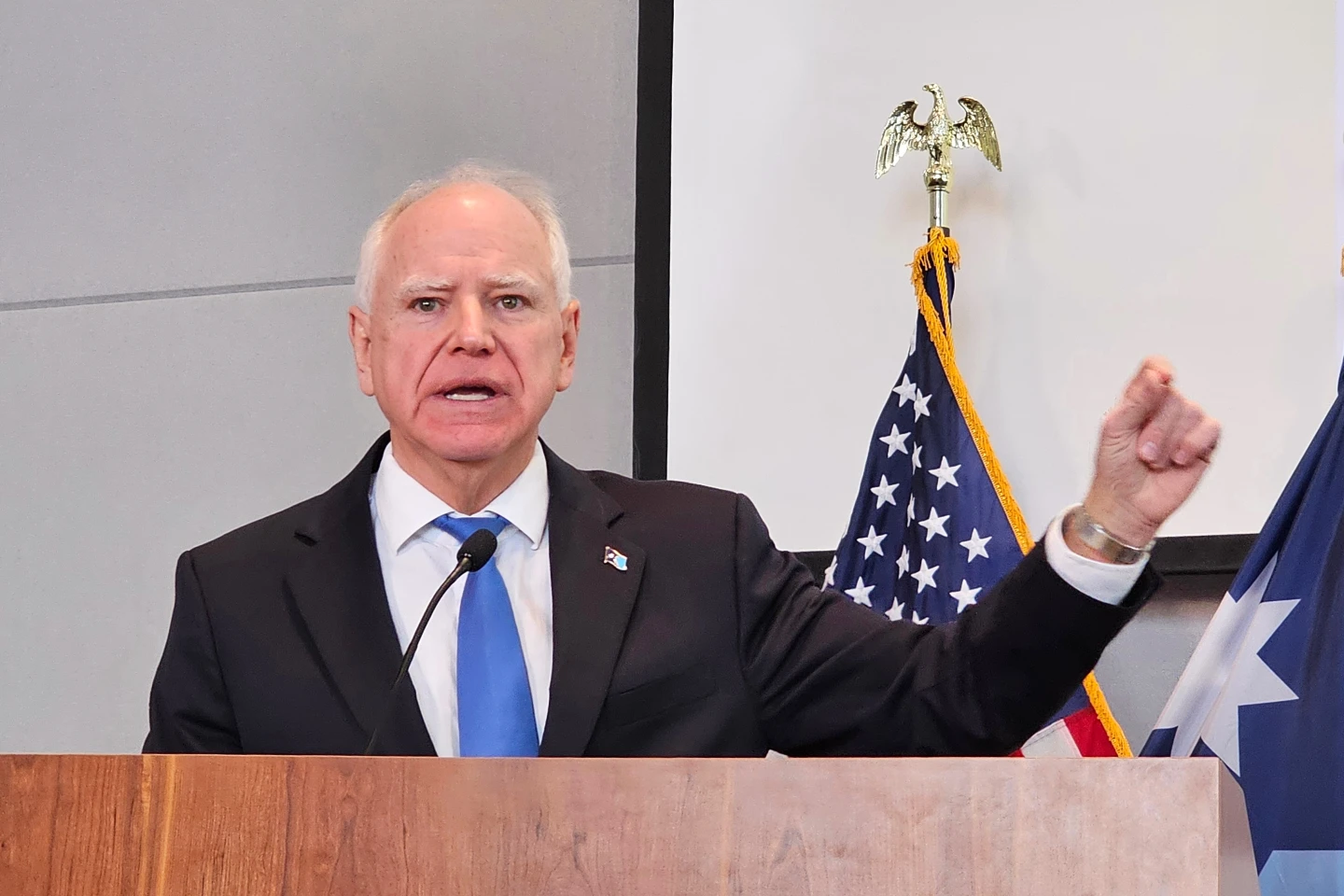
ST. PAUL, Minn, (AP) — Democratic Gov. Tim Walz denounced President Donald Trump on Thursday for calling Minnesota’s Somali community “garbage” and dismissing the state as a “hellhole.”
Walz stated that Trump’s comments slandered all Minnesotans, expressing particular concern for the children in the community. “We’ve got little children going to school today who their president called them garbage,” he asserted.
While Walz urged his colleagues across the aisle to join him in condemning Trump's rhetoric, Republican legislative leaders largely evaded doing so. They suggested that the situation wouldn’t have escalated if Walz had taken stronger actions to prevent alleged fraud in social service programs.
Escalating Rhetoric Against Somali Community
Trump's remarks have intensified since conservative media claimed that funds from defrauded government programs have reached the Somali militant group al-Shabab. On Thanksgiving, Trump labeled Minnesota as a “hub of fraudulent money laundering activity” and threatened to terminate Temporary Protected Status for Somalis in the state.
Furthermore, during a cabinet meeting, Trump expressed his desire to limit immigration from Somalia, stating, “We can go one way or the other, and we’re going to go the wrong way if we keep taking in garbage into our country.”
In comments to reporters, Trump maintained that Minnesota had become a “hellhole” due to its Somali population, further inflaming the rhetoric surrounding immigration and community identity.
Federal Immigration Enforcement Actions
This controversy coincides with federal immigration enforcement preparations focusing on unlawful Somali residents in Minnesota. State officials suggest that approximately 300 individuals may be affected within the protected status group of about 700 nationwide, causing significant anxiety among community members.
Both Walz and community leaders indicated their awareness of the tensions but lacked clarity on the extent of any recent detentions, contrasting with the ongoing investigations into fraud linked to government programs.
Responses from Lawmakers
Republican lawmakers in Minnesota treaded carefully in their responses; House Speaker Lisa Demuth refused to criticize Trump directly while acknowledging the need for accountability among fraudsters. Similarly, GOP state Sen. Eric Pratt expressed understanding for Trump’s frustrations over the perceived corruption harming Minnesota’s reputation.
Lawmakers in Ohio, home to the second largest Somali population in the U.S., voiced their disapproval of Trump's comments, emphasizing the need for respectful treatment of Somali Americans within the broader fabric of society.