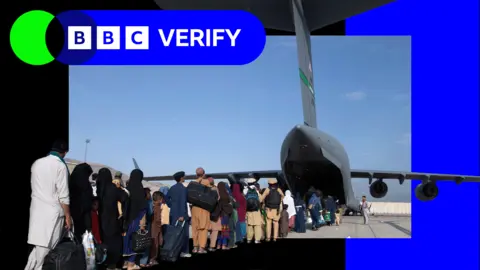
The shooting of two National Guard members, one fatally, in Washington D.C., has prompted significant changes in immigration policies related to Afghan nationals under the Biden administration. The Department of Homeland Security (DHS) revealed that the suspect, Rahmanullah Lakanwal, entered the country under an Afghan resettlement initiative known as Operation Allies Welcome (OAW), which was established following the Taliban's takeover in August 2021 to aid vulnerable Afghans.
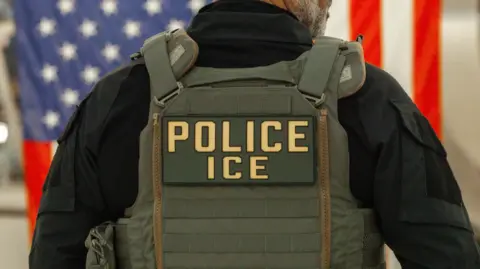
Despite the initiation of this program aimed at safeguarding those at risk of persecution, Republican officials have raised claims about the vetting inadequacies, asserting that Lakanwal was not adequately checked before his entry. This has resulted in the DHS halting all immigration requests concerning Afghan nationals while they reassess security and vetting measures.
In discussions surrounding Lakanwal's entry, President Trump accused the Biden administration of facilitating the immigration of unchecked individuals, labeling them as unvetted criminals. Concurrently, discussions by former officials and senators have questioned the thoroughness of the background checks undertaken during the resettlement process, citing serious risks associated with the lack of stringent measures.
While DHS pointed to a supposed rigorous vetting process involving multiple government agencies such as the FBI and biometrics collection, reports highlighted inconsistencies. Many evacuees had been admitted under a more lenient parole process, which carried certain requirements but varied in its implementation and oversight.
The scrutiny of the vetting process has reignited debates over national security and humanitarian responsibilities, with some experts arguing that while the vetting systems had flaws, they provided necessary protections to numerous Afghans who aided U.S. efforts in their country. The dilemma continues as politicians prioritize safety while also addressing the humanitarian crisis faced by many Afghan families.