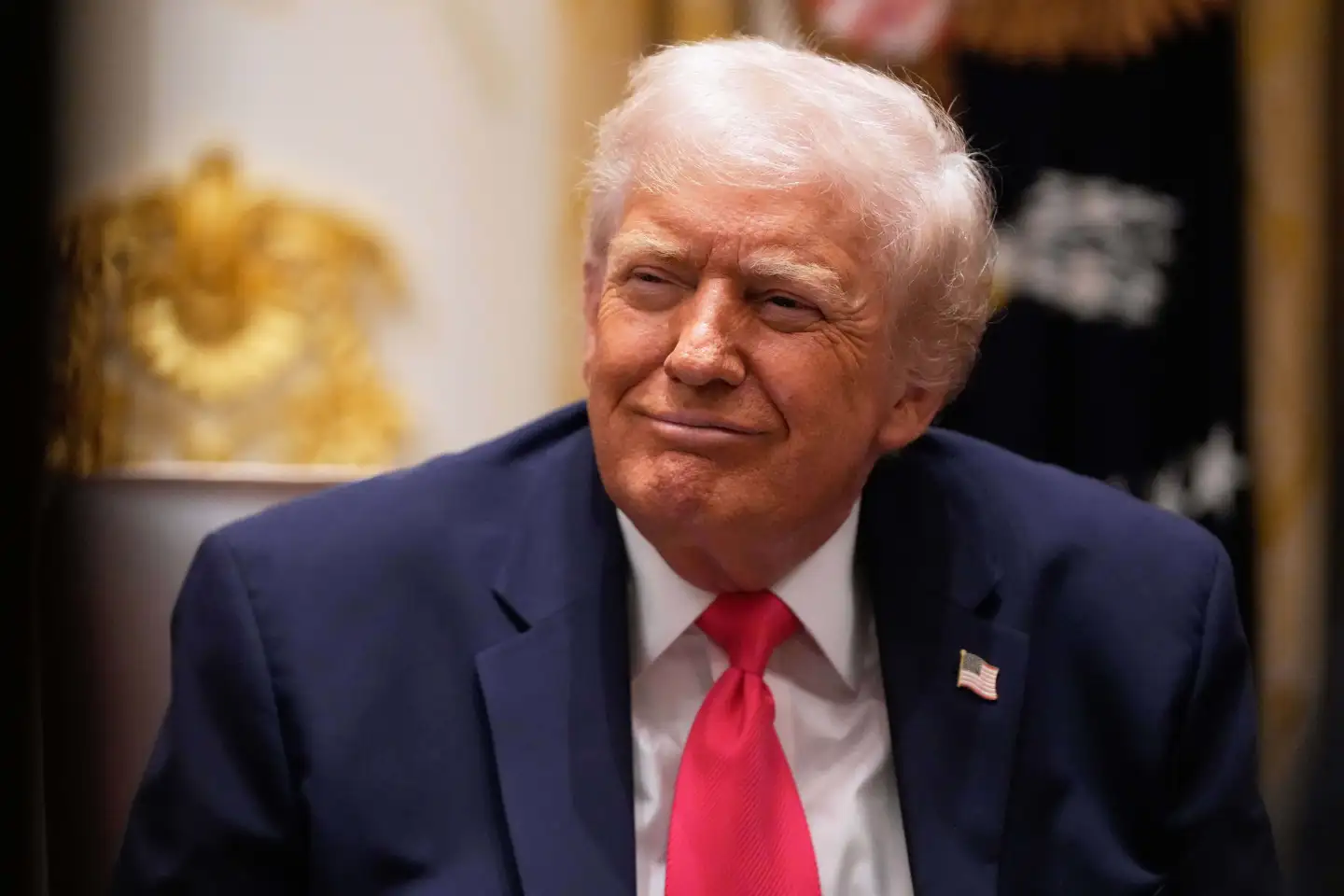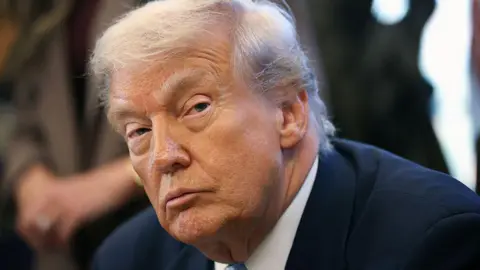
U.S. President Donald Trump has said that the airspace around Venezuela should be considered closed. To all Airlines, Pilots, Drug Dealers, and Human Traffickers, please consider THE AIRSPACE ABOVE AND SURROUNDING VENEZUELA TO BE CLOSED IN ITS ENTIRETY, Trump stated in a social media post.
Although the U.S. does not have the legal authority to close another nation's airspace, Trump's declaration may lead to travel uncertainty and deter airlines from operating in the region. With the U.S. bolstering its military presence in the Caribbean in a bid to combat drug smuggling, Venezuelan President Nicolás Maduro has dismissed these claims as an effort to undermine his government.
As of now, Venezuela has not responded to Trump's remarks, and the White House did not immediately respond to requests for comment.
Trump's comments coincided with a warning from the U.S. Federal Aviation Administration regarding heightened military activity in and around Venezuela. In response to ongoing tensions, Venezuela recently banned six international airlines — including Iberia and Turkish Airlines — from landing after they failed to meet a deadline to resume flights.
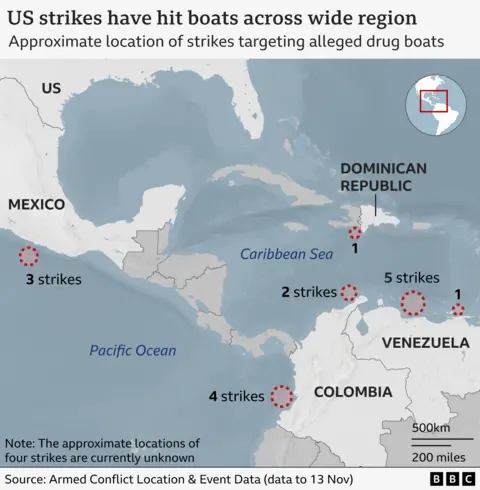
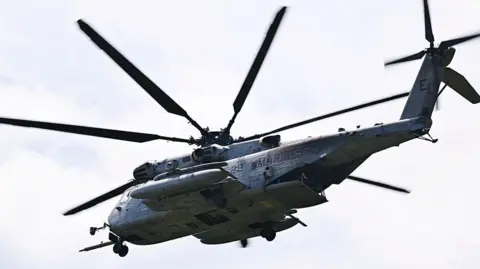
The U.S. Navy has also deployed the USS Gerald Ford, the world's largest aircraft carrier, along with approximately 15,000 troops close to Venezuela, marking one of the largest military deployments in the area since the 1989 invasion of Panama. Trump's commitment to counter drug trafficking through military action signifies escalating tensions, especially since some operations have involved aggressive strikes on vessels allegedly linked to drug trafficking, although evidence has yet to be publicly presented.
This information highlights the volatile nature of U.S.-Venezuela relations, and the potential for heightened military conflict remains a concern for observers worldwide.
Although the U.S. does not have the legal authority to close another nation's airspace, Trump's declaration may lead to travel uncertainty and deter airlines from operating in the region. With the U.S. bolstering its military presence in the Caribbean in a bid to combat drug smuggling, Venezuelan President Nicolás Maduro has dismissed these claims as an effort to undermine his government.
As of now, Venezuela has not responded to Trump's remarks, and the White House did not immediately respond to requests for comment.
Trump's comments coincided with a warning from the U.S. Federal Aviation Administration regarding heightened military activity in and around Venezuela. In response to ongoing tensions, Venezuela recently banned six international airlines — including Iberia and Turkish Airlines — from landing after they failed to meet a deadline to resume flights.
The U.S. Navy has also deployed the USS Gerald Ford, the world's largest aircraft carrier, along with approximately 15,000 troops close to Venezuela, marking one of the largest military deployments in the area since the 1989 invasion of Panama. Trump's commitment to counter drug trafficking through military action signifies escalating tensions, especially since some operations have involved aggressive strikes on vessels allegedly linked to drug trafficking, although evidence has yet to be publicly presented.
This information highlights the volatile nature of U.S.-Venezuela relations, and the potential for heightened military conflict remains a concern for observers worldwide.