In brief
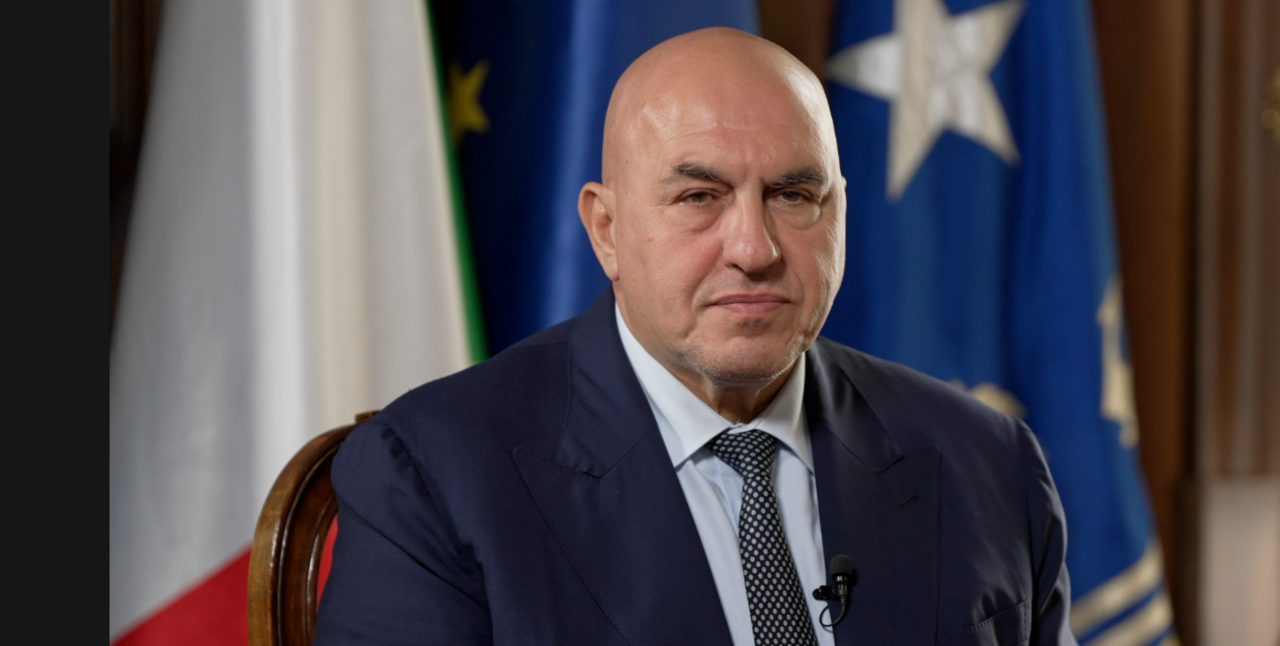
Italian defence minister Guido Crosetto slammed the United States for cutting satellite and intelligence aid to Ukraine, calling the move a major mistake that could embolden Russia. In a BBC interview, he warned that removing such support would give Moscow confidence and extend the conflict. Crosetto also criticised President Donald Trump’s deal to buy diesel from Russia, labeling it a risky move that legitimises Putin. Italy, under Prime Minister Giorgia Meloni, has remained a steadfast supporter of Ukraine, dispatching military and humanitarian aid despite domestic scepticism.
Italy’s defence minister has slammed the United States for limiting satellite and intelligence support to Ukraine.
In a BBC interview, Guido Crosetto warned that any decision by the Trump administration to restrict such aid "makes absolutely no sense" and could prolong Russia’s full‑scale invasion.
U.S. officials maintain that Trump has not demanded a slowdown of internet speeds or halted the delivery of early‑warning alerts. Crosetto dismissed these claims, calling it a major mistake for the U.S. to restrict crucial resources that keep Ukraine safe.
The comments come amid growing criticism in Italy of the U.S. – a criticism that has intensified after Prime Minister Giorgia Meloni condemned Trump’s deal to buy Russian diesel, a move she says grants Russia legitimacy while the war continues.
Meloni, once hailed as a "Trump whisperer", has insisted that every decision should help bring Putin to the negotiating table.
Crosetto, a co‑founder of the Fratelli d'Italia party, reminded listeners that "if Putin sees weakness on the Ukrainian side – and if the U.S. deprives Ukraine of resources – then he will think he can win."
He added that the U.S. limiting satellite systems and intelligence is "completely wrong" and risk‑ing that the war would be prolonged.
Italy has been a steadfast ally of Ukraine since the war began, providing both military and humanitarian aid. Crosetto pledged that further support would continue as long as his coalition remains in power, though parliamentary approval may become harder with elections approaching.
Despite widespread public scepticism, Italy’s government has joined other European allies in allowing Ukraine to use advanced satellite and cyber‑defence technology, a stance that puts it at odds with the Trump administration’s recent policy shifts.
Meanwhile Italian public opinion reflects the growing unease over rising energy prices, with protests and student complaints about resources being diverted from education to war supplies.
Crosetto warned that Russia’s continued aggression, described as "evil", could be countered only with strong cyber and military defences – and that refusing aid would jeopardise Europe’s future security.