In brief
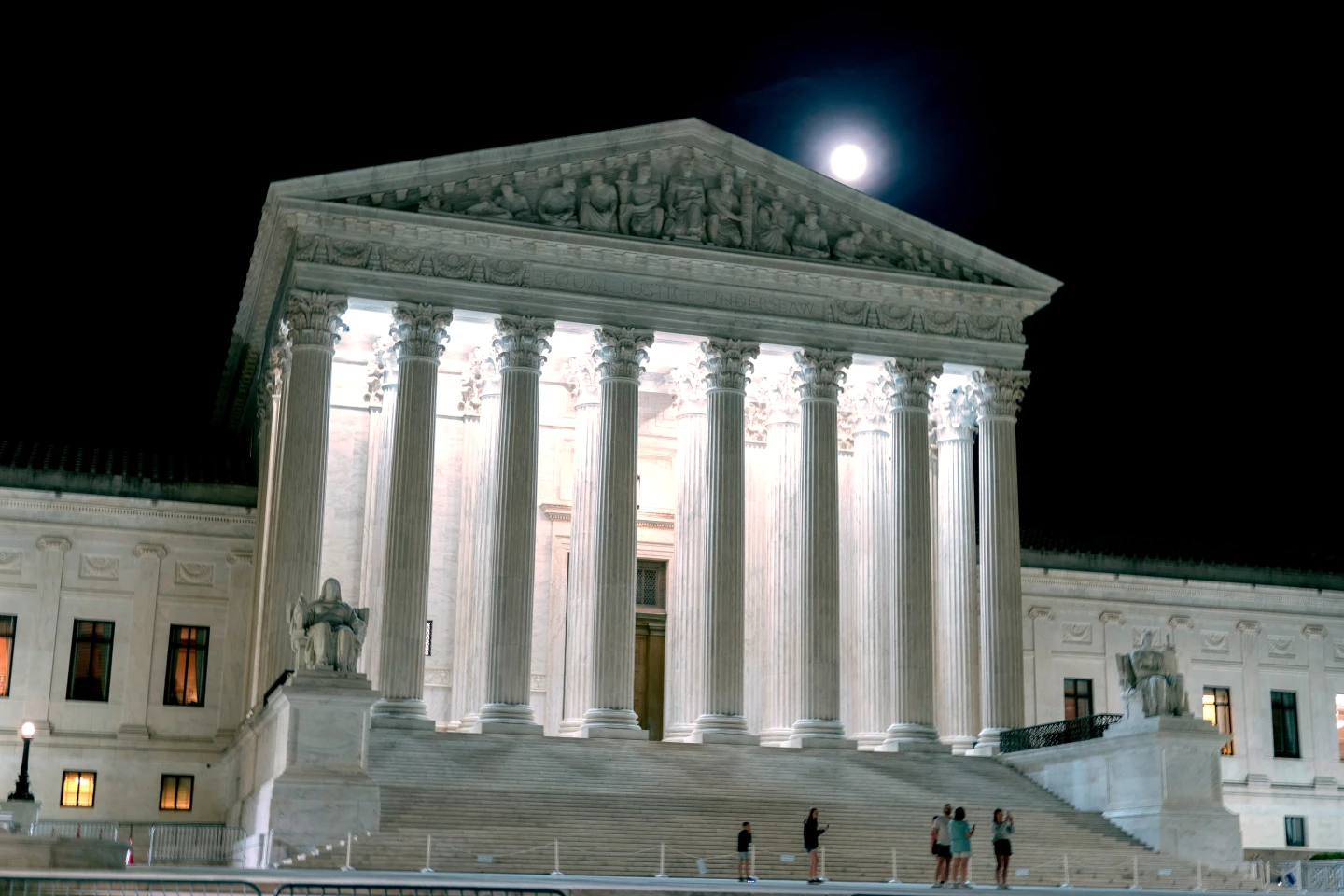
The United States Supreme Court is taking on a pivotal case concerning President Donald Trump's executive order on birthright citizenship, which declares that children born to parents who are in the U.S. illegally or temporarily are not American citizens. Set to hear arguments shortly, this case could redefine longstanding interpretations of citizenship established by the 14th Amendment, amidst a backdrop of heightened immigration policy discourse. A ruling is anticipated by early summer.
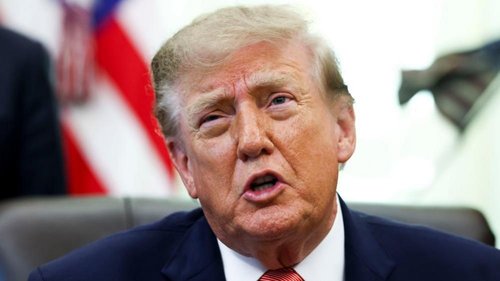
The Supreme Court is taking up one of the term’s most consequential cases, President Donald Trump’s executive order on birthright citizenship declaring that children born to parents who are in the United States illegally or temporarily are not American citizens. Trump plans to be in attendance at the oral arguments, marking the first time a sitting president will participate in such proceedings.In arguments taking place Wednesday, the justices will hear Trump’s appeal of a lower-court ruling from New Hampshire that struck down the citizenship restrictions. This decision joins several others that have blocked similar efforts. The restrictions have not yet taken effect anywhere in the country, and a definitive ruling is expected by early summer.The case poses another test of Trump’s assertions of executive power which challenge historical legal precedents. It comes amid Trump’s ongoing criticisms of certain justices for previous court decisions against his administration.The executive order regarding birthright citizenship, signed on the first day of Trump’s second term, is part of a broader immigration crackdown by his Republican administration. Notably, the 14th Amendment, ratified in 1868, has been historically interpreted to confer citizenship on anyone born on American soil, with limited exceptions.Lower courts have previously ruled against Trump’s order, deeming it likely unconstitutional given the established legal interpretations around citizenship. The ongoing legal discourse suggests significant implications for over a quarter of a million babies born in the U.S. each year, as Trump's order would affect not only children of illegal immigrants but also those born to individuals present in the country legally, such as students or green card applicants.The Supreme Court’s ruling could redefine the understanding of birthright citizenship in the U.S. and further stir the heated debate around immigration policy.