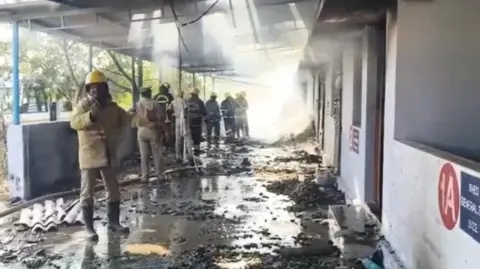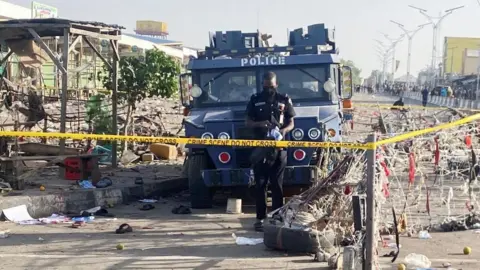
Maiduguri, the capital of Borno state in north-eastern Nigeria, has experienced a shocking resurgence of violence as suspected suicide bombings claimed the lives of at least 23 individuals and injured over 108 others. The incidents unfolded in rapid succession at crucial public sites, including a post office, a busy market, and the University of Maiduguri Teaching Hospital, around 19:30 local time on Monday, shortly after the evening Ramadan fast-breaking meal. The explosions targeted densely populated areas, leading to chaos as crowds, drawn to these locations, fled in panic.
These horrific attacks mark some of the deadliest incidents in years in Maiduguri, which had previously enjoyed a period of relative stability following military campaigns that had pushed armed groups towards more remote areas. However, the confidence of residents has been severely shaken as these bombings occurred deep within the city, reversing the belief that Boko Haram's insurgency was waning.
Preliminary investigations indicated that the multiple strikes were likely executed by suicide bombers, according to a statement from Borno police. Witnesses described the panic that ensued, with Modu Bukar, a local who assisted injured victims to hospitals, recounting the terror as people scrambled for safety amidst the explosions.
In response to this tragedy, Nigerian President Bola Tinubu condemned the attacks and emphasized that the nation would not yield to fear. He pledged that those responsible would be tracked down and held accountable. Security officials had reported an earlier insurgent attack on a military outpost in the vicinity, hinting at the volatile situation that still permeates the region. As emergency services assess the impact and reinforce security throughout Maiduguri, concerns remain about the potential for further violence.
These horrific attacks mark some of the deadliest incidents in years in Maiduguri, which had previously enjoyed a period of relative stability following military campaigns that had pushed armed groups towards more remote areas. However, the confidence of residents has been severely shaken as these bombings occurred deep within the city, reversing the belief that Boko Haram's insurgency was waning.
Preliminary investigations indicated that the multiple strikes were likely executed by suicide bombers, according to a statement from Borno police. Witnesses described the panic that ensued, with Modu Bukar, a local who assisted injured victims to hospitals, recounting the terror as people scrambled for safety amidst the explosions.
In response to this tragedy, Nigerian President Bola Tinubu condemned the attacks and emphasized that the nation would not yield to fear. He pledged that those responsible would be tracked down and held accountable. Security officials had reported an earlier insurgent attack on a military outpost in the vicinity, hinting at the volatile situation that still permeates the region. As emergency services assess the impact and reinforce security throughout Maiduguri, concerns remain about the potential for further violence.