In brief
A new exhibition titled 'Bombay Framed' highlights the historical transformation of Bombay into a bustling metropolis. Featuring over 100 images ranging from colonial-era art to vibrant photographs and contemporary multimedia displays, the exhibition unveils the city’s layered identity shaped by various cultures and social dynamics. Through its art, it captures the stark contrasts of Bombay's past and present, inviting audiences to reflect on the city's complex narrative.
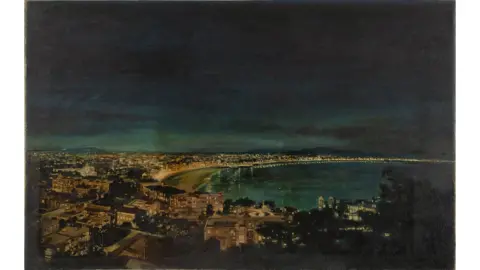
From seven islands to a city of 20 million, Bombay (now Mumbai) has been shaped over centuries by political, economic and social forces. From Koli fisherfolk to colonial planners, and from Bollywood stars to textile barons, many have shaped the western Indian city's landscape and identity. The city is ever-evolving, the past giving way to the future, birthing new guises and blurring the old. A new exhibition 'Bombay Framed' charts the city's shape-shifting passage through the centuries using a stunning array of paintings, photographs, and multimedia prints. More than 100 images spanning three centuries document the city in its full diversity from the elite worlds of Zoroastrian merchants and cinema stars to working-class lives of ordinary citizens. Together they invite us to see the city itself as a kind of artwork: layered, complex and made up of many different experiences, said Gyan Prakash, curator of the exhibition.Key transformations occurred in various historical epochs: the 1830s-40s saw the reclamation of land joining the separate islets into a single city; by the 1860s, the fort walls were dismantled, allowing for the construction of imperial buildings that defined its colonial identity. In the 1920s and 30s, Marine Drive introduced Art Deco architecture, setting a modern aesthetic that diverged from its Victorian Gothic roots. In the 2000s, new infrastructure projects have radically transformed the cityscape.This evolution is also mirrored in the lives of its residents, from Parsi philanthropists to mill workers, showcasing Bombay's contradictions—luxury towers adjacent to shantytowns, and ancient caves standing alongside nuclear research facilities. The exhibition attempts to tell the city's story through everyday life, capturing the spirit of its people and the environment shaped by human activity.The city, officially renamed Mumbai in the mid-1990s, retains its colonial legacy in the exhibition, focusing on the period before the change. This reflects Bombay's dual identity and complex history, inviting audiences to engage with its rich past and current dynamics.