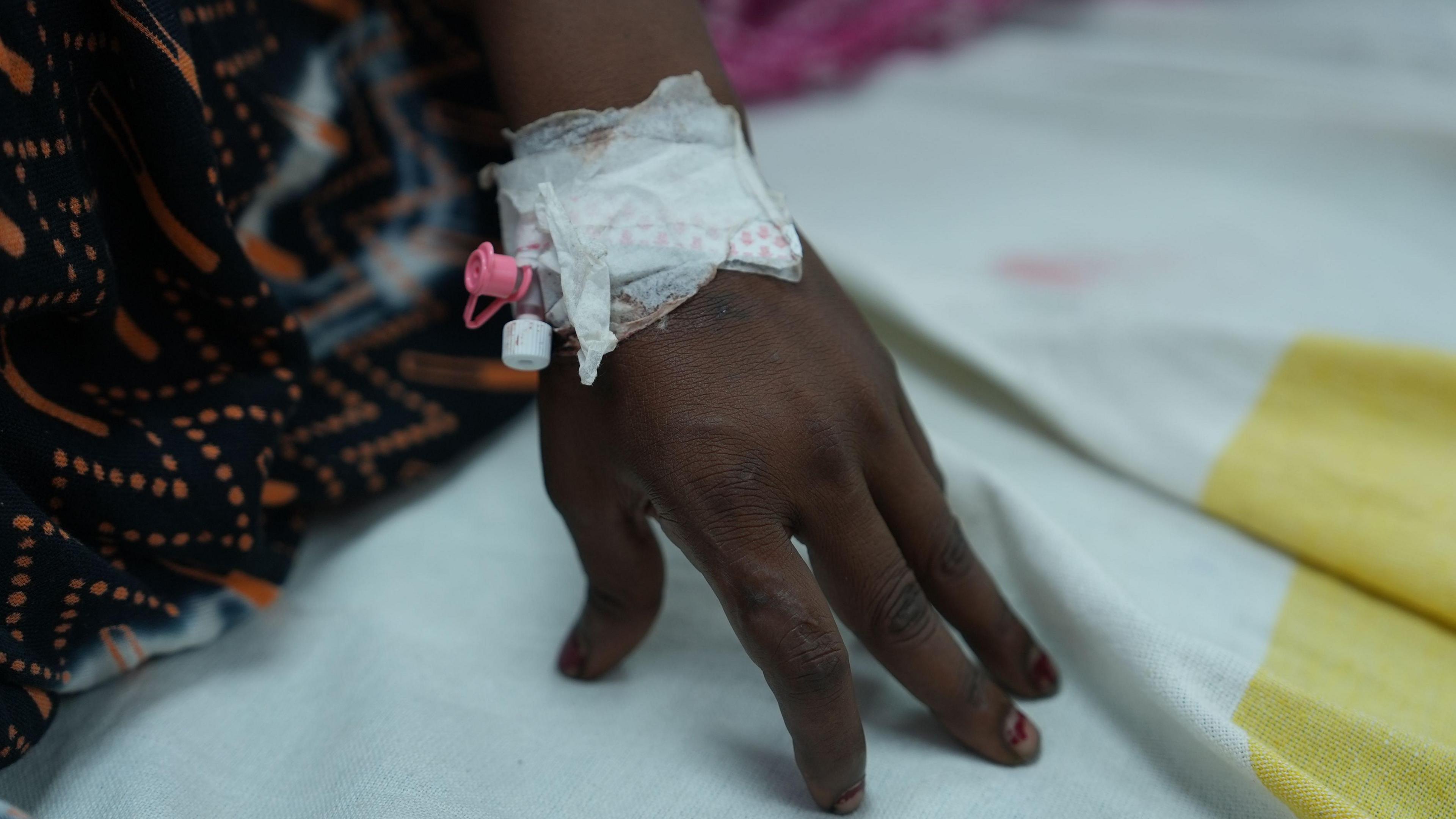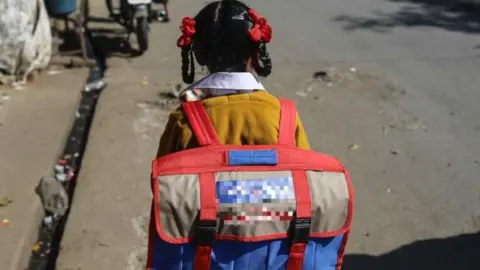
Pooja* was 16 years old when she was accused of murdering her mother. The teenager, who lived with her alcoholic stepfather in a poor neighbourhood in the northern Indian state of Uttar Pradesh, was arrested in 2018 and sent to jail.
Her lawyer told the police that Pooja was a minor. According to Indian law, she should have been produced before a Juvenile Justice Board (JJB) - a three-member bench that deals with matters concerning children in conflict with the law - within 24 hours of her arrest. But this was not done, Yamina Rizvi, a lawyer who took over Pooja's case in 2024, told the BBC.
JJBs, which comprise of a principal magistrate and two social workers, decide if a child aged 16-18 should be tried as an adult in case of heinous crimes - a provision introduced in India's Juvenile Justice law after the 2012 Delhi gang rape case.
But instead of appearing before a JJB, Pooja was lodged in a prison for six years while her case was heard in an adult court.
Experts say that India's juvenile justice law isn't properly implemented in many places.
It has been nearly four decades since India passed its first comprehensive legislation to deal with children in conflict with the law - the Juvenile Justice (Care and Protection of Children) Act. It has been amended several times since then to strengthen its provisions.
The law aims to protect children and create opportunities for reform so that they can reintegrate into society and live meaningful lives. However, experts who work with children say that there is a long way to go before the system can correctly implement the ideals the law preaches.
The strength of India's juvenile justice system relies heavily on the health of its JJBs - quasi-judicial panels tasked with ensuring that a child's rights are protected, even as they face the legal consequences of their actions.
However, research indicates serious shortcomings in these pivotal panels, with more than half the cases pending before 362 JJBs, according to a recent report. Furthermore, one in four JJBs lacked a full bench, despite legal requirements.
The repercussions of these failures are significant, often resulting in lost opportunities for reform. Children who are ostracized from educational and social structures seldom receive the rehabilitative support they need.
Authorities lack understanding of the challenges these children face, leading to a cycle of neglect that perpetuates their suffering.
Despite the bleak situation, success stories of rehabilitation do exist. Organizations like Echo have successfully implemented vocational training and counselling for children, stating that every child deserves a second chance.
Victims of a flawed system like Pooja's underscore a pressing need for reform and accountability within India's juvenile justice framework.
*Names have been changed as Indian law prohibits the disclosure of a juvenile offender's identity.