MINNEAPOLIS (AP) — A Minneapolis church opened its doors for a special Sunday service — called a service of ‘Lament and Hope’ — in recognition of the tumultuous week in a city on edge after the fatal shooting of a woman by an immigration officer.
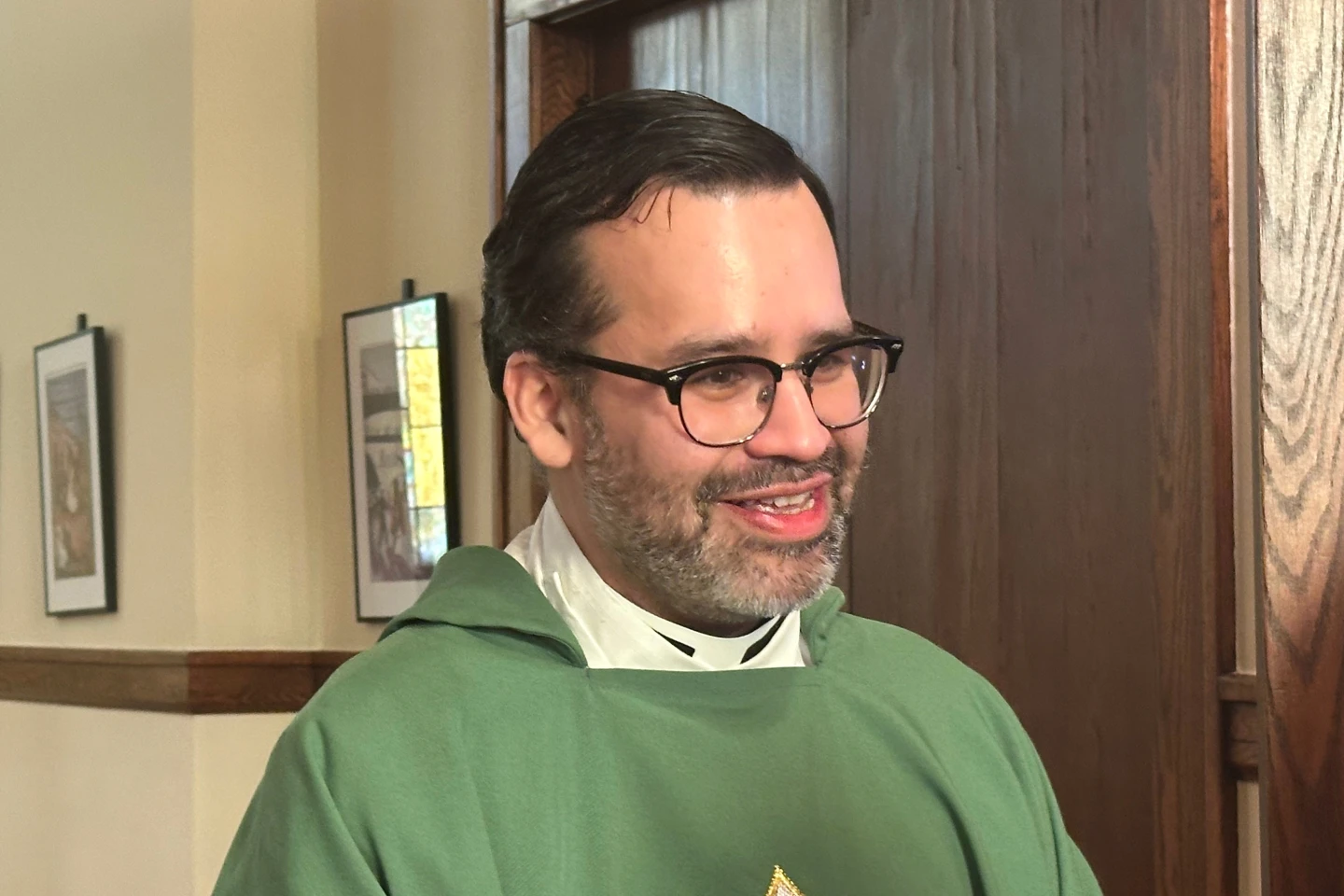
“Thank you for being here this morning. Gathering is such a critical, critical thing to do, especially in these times. It’s been a difficult week,” the Rev. Hierald Osorto, pastor at St. Paul’s-San Pablo Lutheran Church, told a crowd seated on wooden benches.
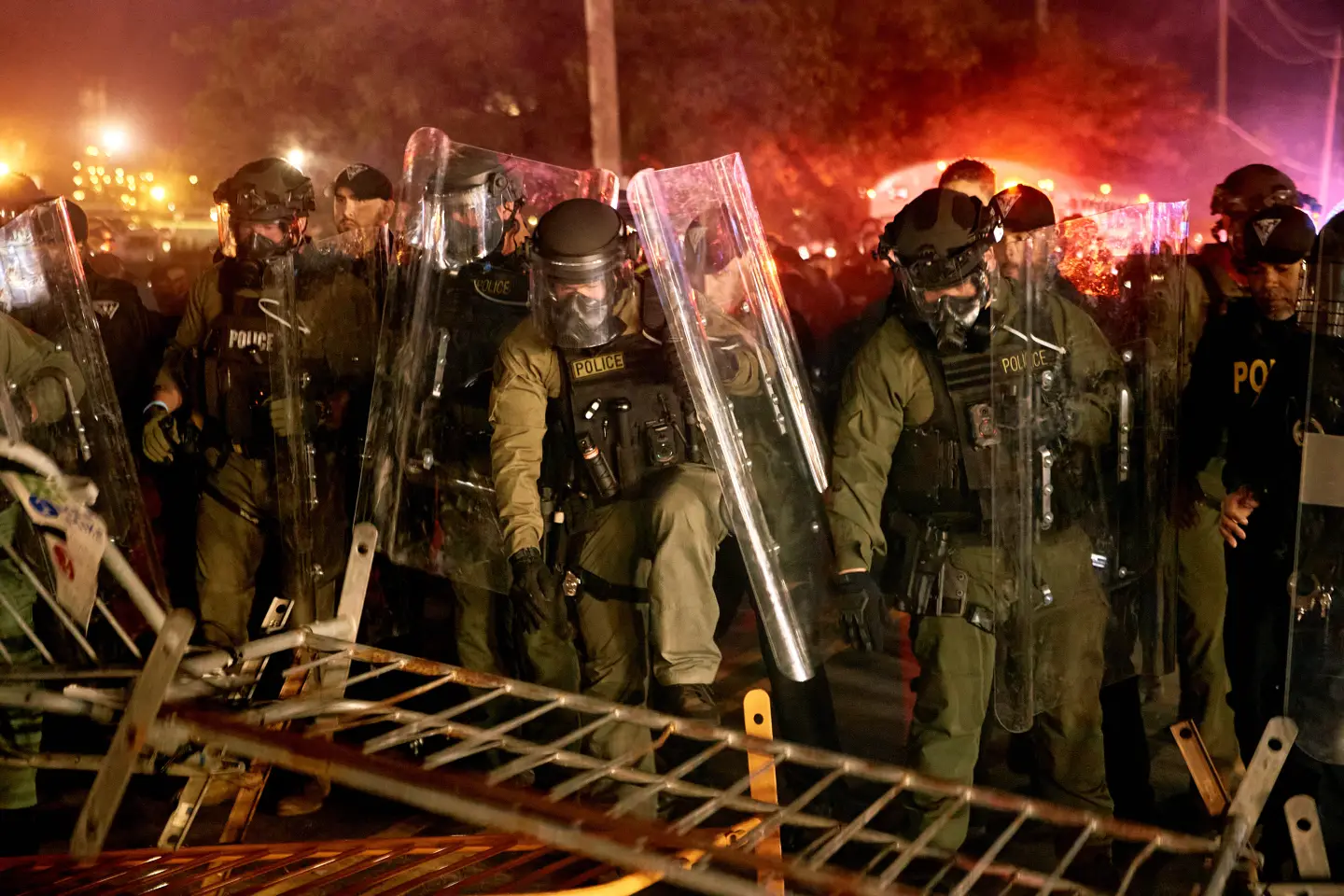
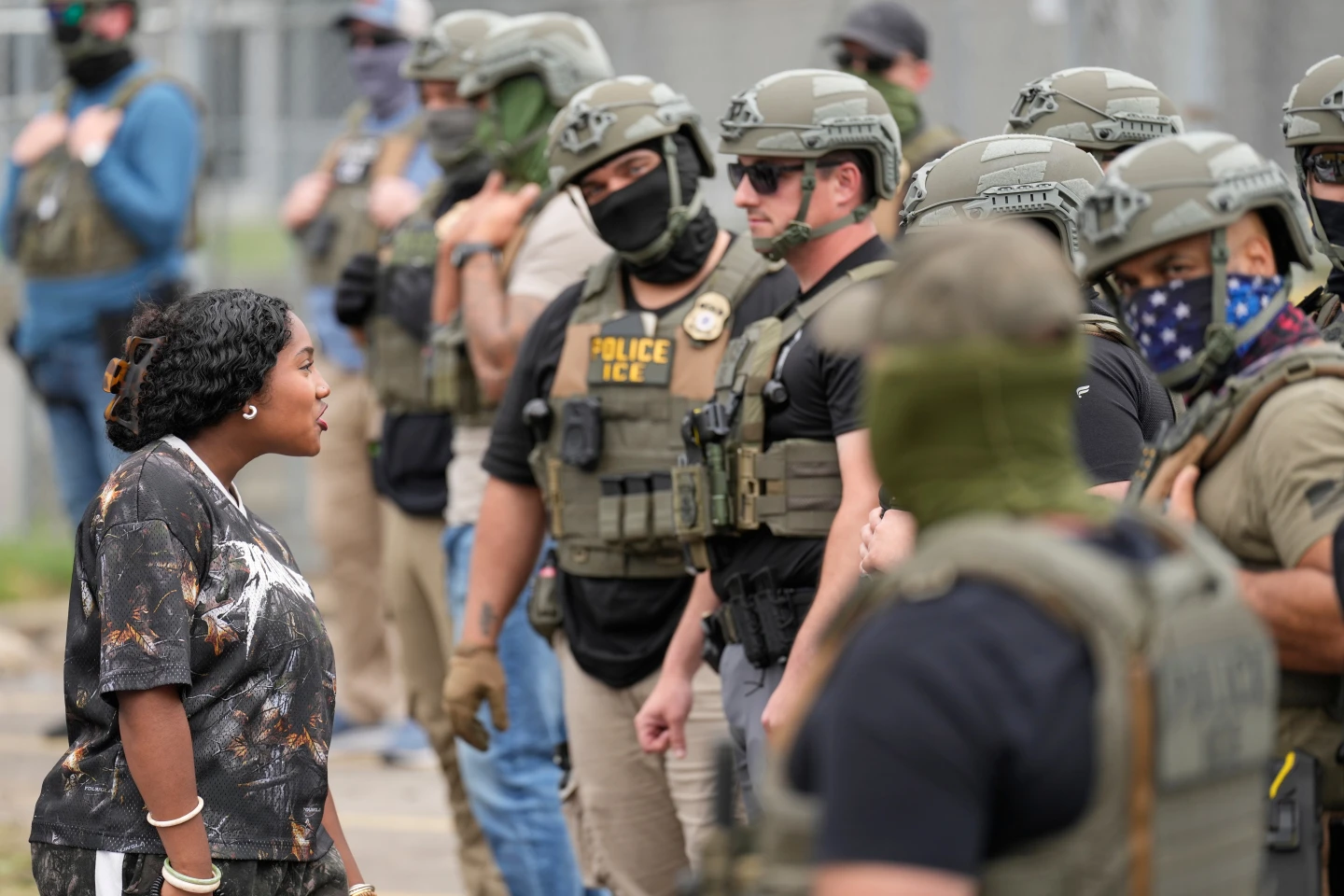
The service comes as Minneapolis has the spotlight as the latest flashpoint in President Trump’s immigration crackdown. The Department of Homeland Security has sent roughly 2,000 agents and officers to the region in a show of force, sparking fear in the city’s immigrant communities and strong opposition among activists who are pushing back loudly against enforcement.
The church, which actively ministers to a largely immigrant congregation, is located in a neighborhood that has seen heavy immigration enforcement activities since Homeland Security targeted the city. It’s also just 1 1/2 miles from the block where Renee Good was shot Wednesday by an Immigration and Customs Enforcement agent, sending tensions even higher.
Candles lit and hymns sung as the crackdown continues
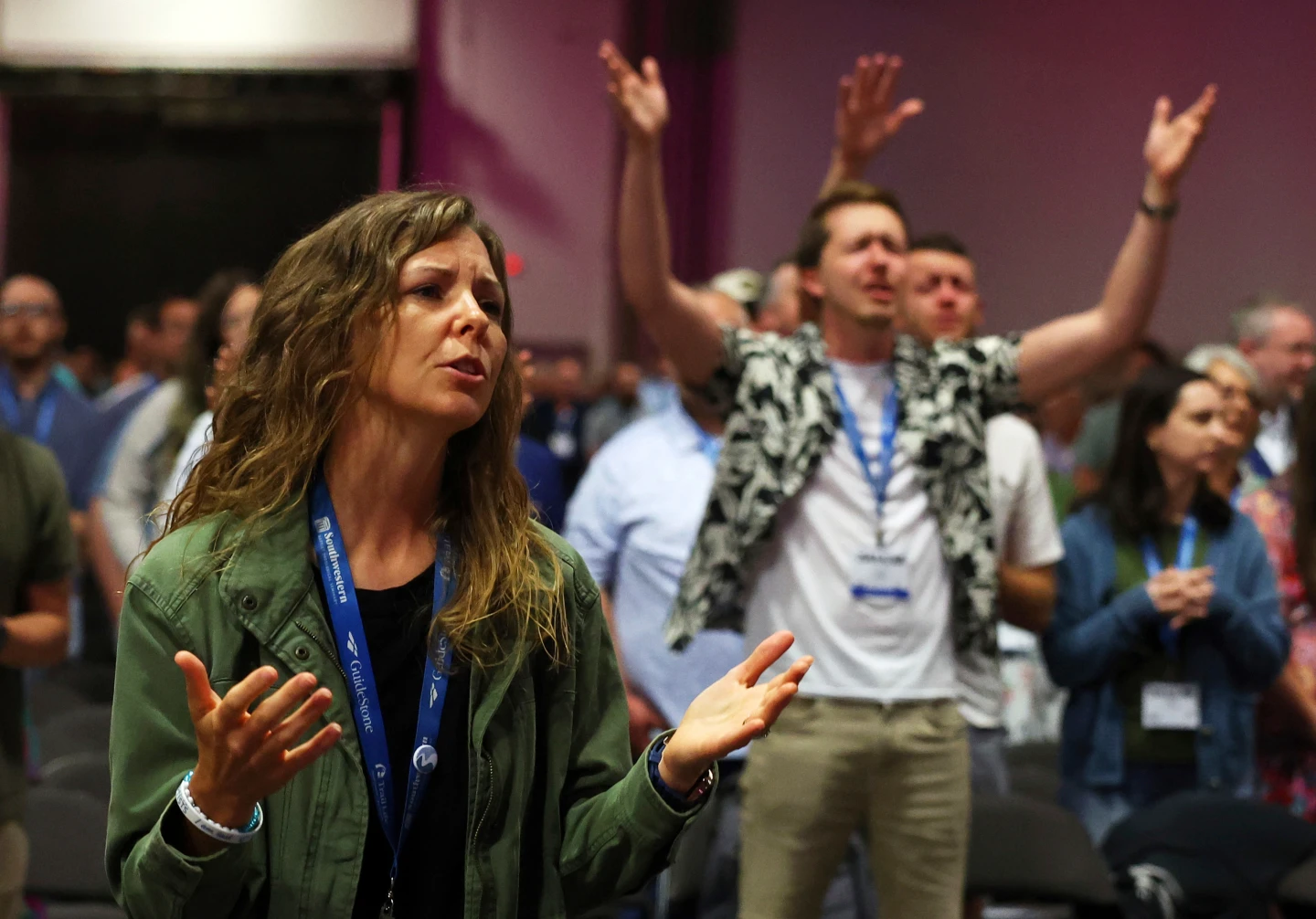
In many ways it was a typical Sunday service. Candles were lit, hymns sung, and communion offered.
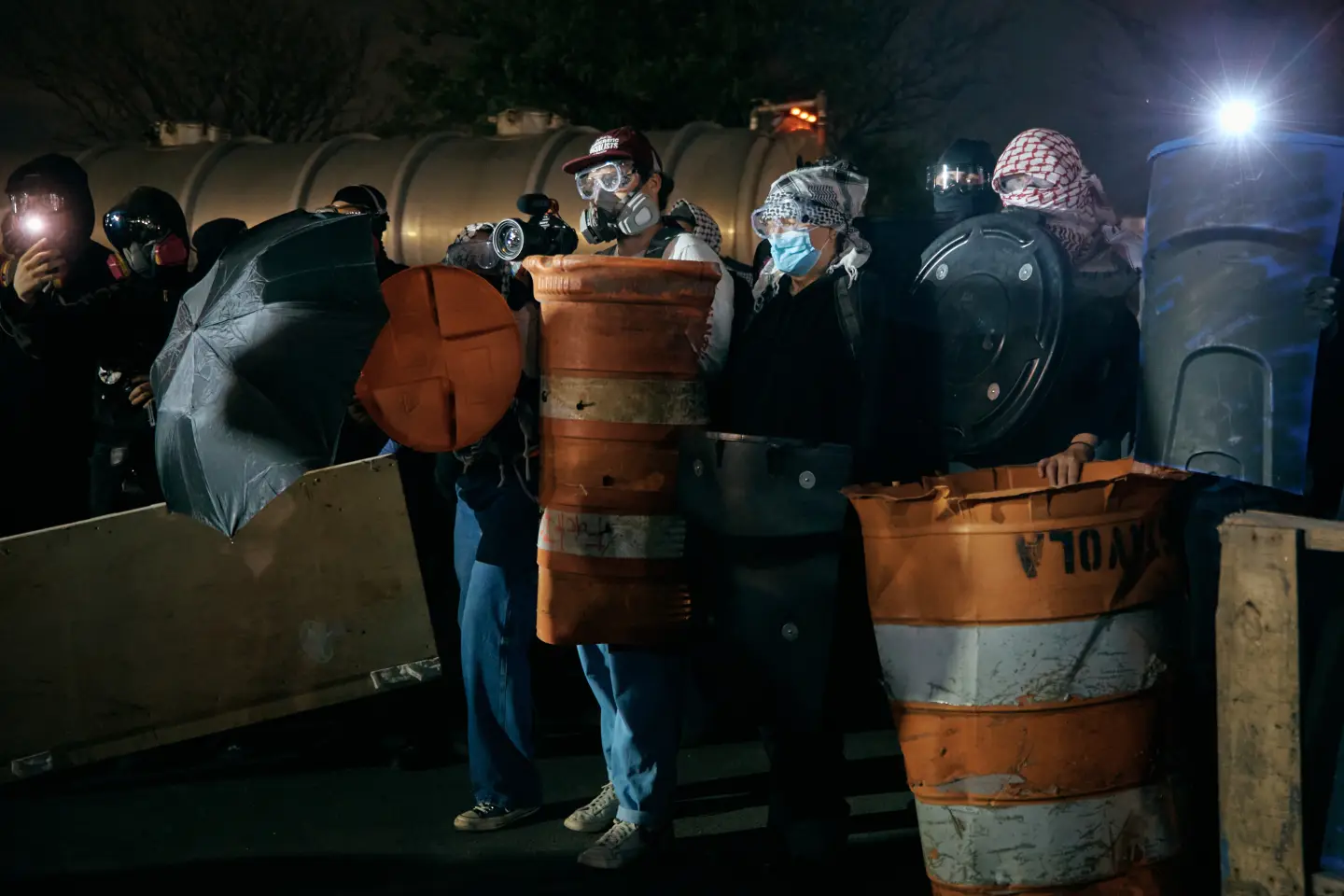
But outside, immigration enforcement officers were actively driving through the neighborhood, detaining people while activists blasted away on whistles and beat drums, hoping to stop them.
Church security stood guard by the doors and controlled who came in. Inside St. Paul’s, worshippers lit candles and greeted each other with smiles and hugs. A statue of Our Lady of Guadalupe stood at the front of the church.
Church volunteers handed out pamphlets that included information on the service, the songs to be sung and the prayers that would be offered. On the front was a drawing of a woman holding a sack with the words, “Justice is for Everyone: Immigrant Rights Now!”
The church has long been part of the community. Osorto says it began with a predominantly Swedish congregation with services held in Swedish. As times changed, the services shifted to Swedish and English, then just English. Nowadays, it’s a mixture of Spanish and English with Osorto seamlessly switching between the two languages.
A prayer is said for the woman who was shot
During the service Sunday, Osorto said a prayer for Good. He said he noticed a slight dip in attendance Sunday but still, he was pleased with the turnout given all the congregation is going through.
“I think that it’s important for folks to realize that what’s happened here in the Twin Cities has changed us for the rest of our lives,” he said after the service.
Anna Amundson, a member of the congregation, expressed concern for those in the community who are afraid to go out even for basic errands.
“A lot of people are afraid to kind of do the basic things, and so that’s why it’s even more impressive, I think, that people are still coming to church. This community is important to people, and I think that you can kind of see that,” she said. “People in our congregation are scared.”
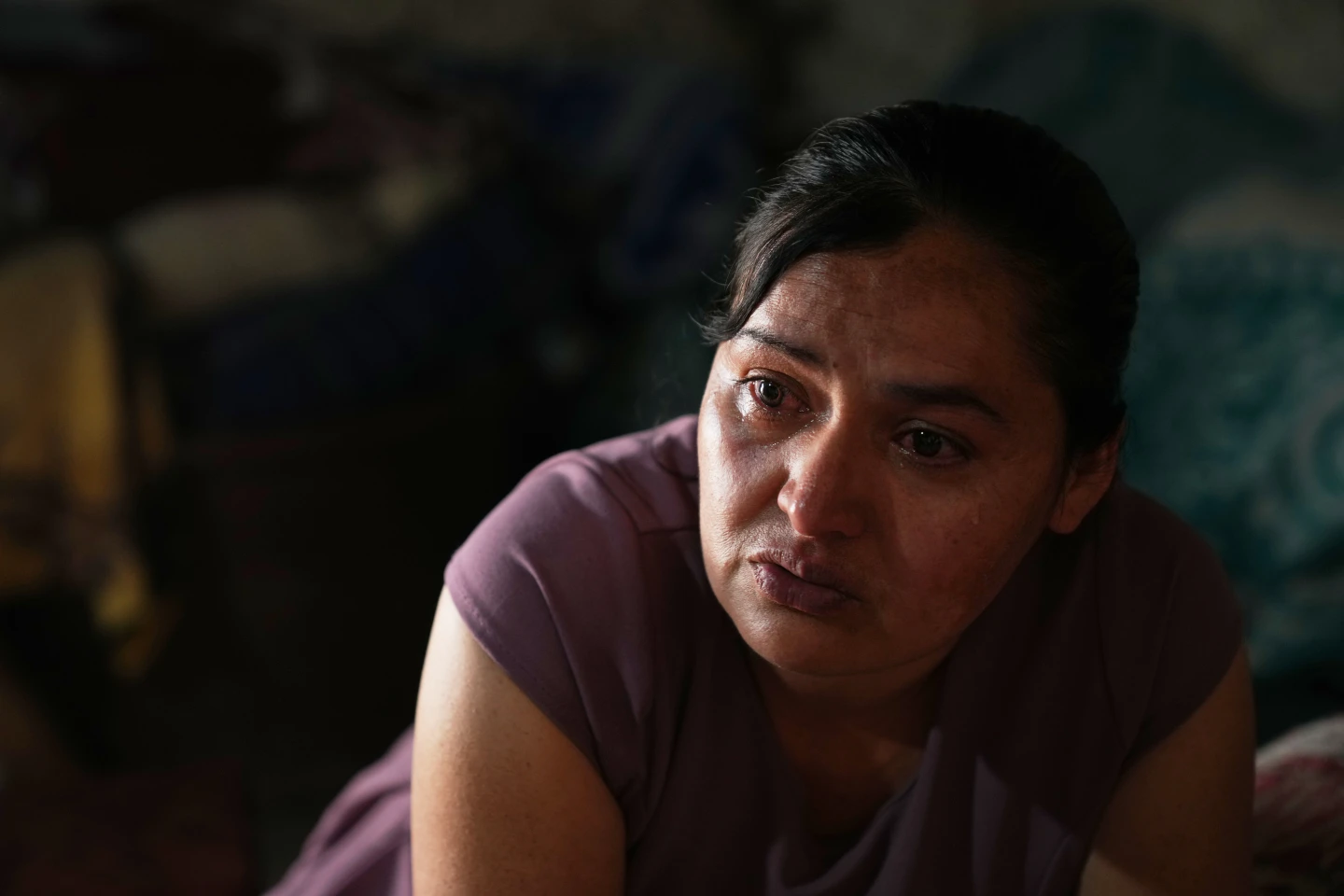
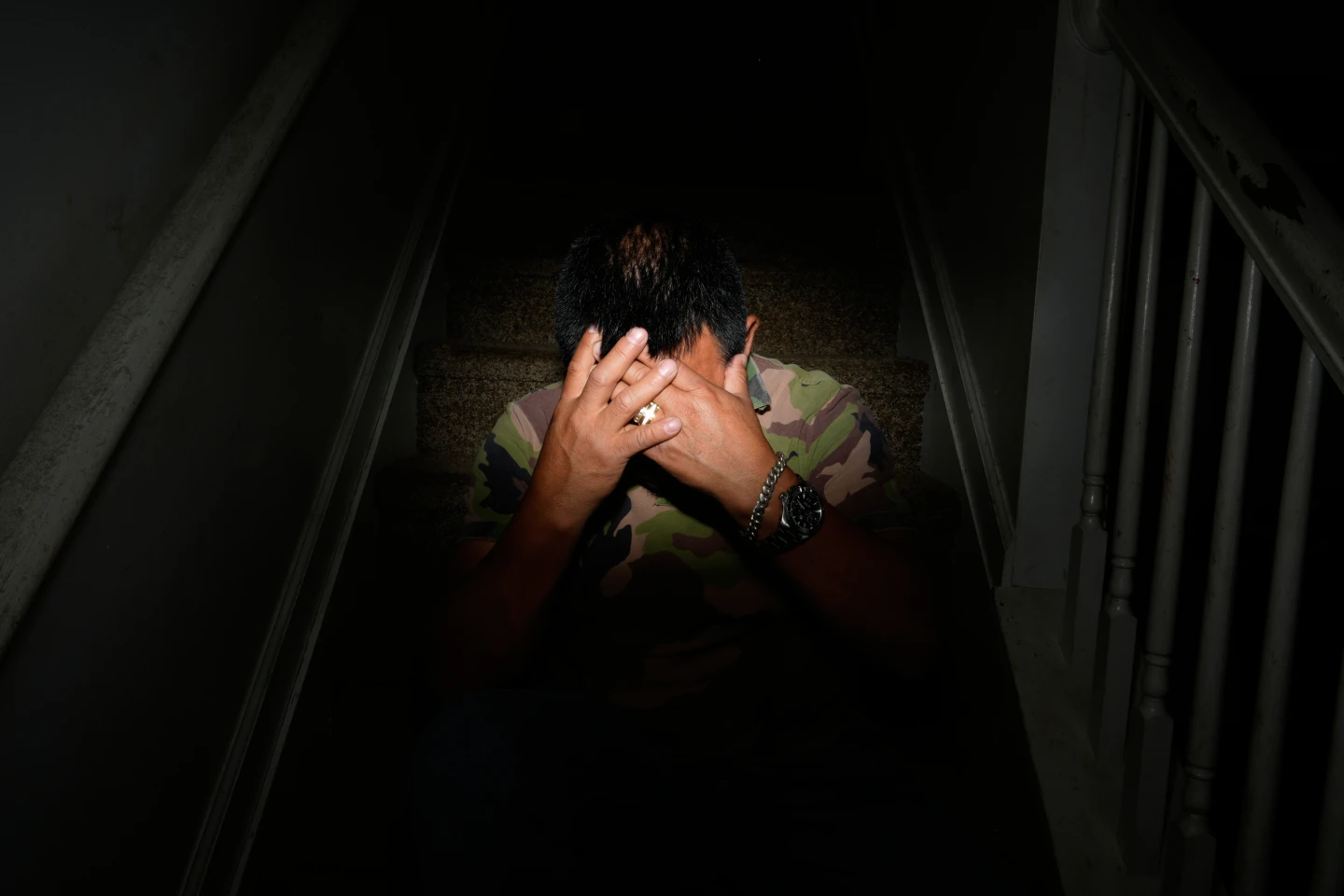
One person who attended was Lizete, who refrained from giving her full name due to fear of enforcement. She shared her anxiety about her situation, despite initially considering staying home to evade enforcement activities.
“Here I have my people, who are close to me, and I feel their really, really support,” she said.
‘Nothing can trouble, nothing can frighten’
Lizete noted the comfort she found in the hymn sung during the service, stating, “Nothing can trouble, nothing can frighten. Those who seek God shall never go wanting.”
The church also serves as a hub for other groups wanting to hold events, including a singing vigil where attendees practiced songs to counter immigration enforcement. Others within the church crafted paper flowers for use in protests.
Jose Luis Villasenor, who spoke during the service, reminded congregants of their resilience amidst ongoing strife in the community, encouraging them to draw strength from their collective experiences.