In brief
As social media influencers promote outdoor adventures, incidents of inexperienced hikers needing rescue have surged. Experts, including Mike Park from Mountain Rescue England and Wales, highlight a growing trend of novices venturing into the wild ill-prepared. The discussion unfolds around responsibility for safety and the effectiveness of increased safety measures.
Two walkers find themselves stranded on a remote hillside as night closes in, hundreds of miles from home, after being inspired out into the wilderness by a TikTok video. It might sound like an unusual emergency—but for Mike Park, CEO of Mountain Rescue England and Wales, it's become a familiar story.
We had two people stuck on a hill at 8pm, no torches. One was in their early 20s and the other was late 30s. It was their first time on a hill. They'd travelled a long way because they'd seen a TikTok route. They set off on their walk at 2pm—too late—wearing shorts, T-shirts, and carrying only a picnic, he recalls.
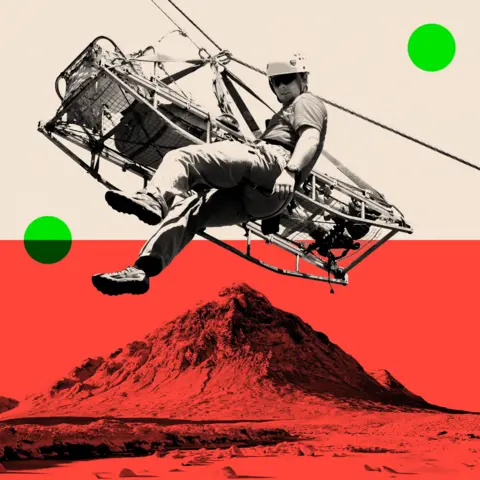
Park's team was able to find and assist the pair, but the incident reflects changing behaviors among adventurers. Over the past few years, mountain rescue operations have seen a stark rise in the number of rescues needed, often due to ill-prepared or inexperienced individuals influenced by social media.
According to Sport England, the number of people climbing hills or mountains has increased from 2.8 million in 2018 to 3.6 million in 2024, raising vital questions about safety. Experts are debating who holds responsibility for these adventures gone wrong and whether additional regulations or safety measures could prevent tragedies.
Martin McMullan from the Mourne Mountain Rescue Team notes that incidents involving social media influencers have increased significantly. He shared a disturbing case where a group of hikers was found filming their struggle in dangerous conditions, raising concerns about whether some might seek out rescue for content creation.
The increase in adventurous outings is seen as a positive trend for public health, yet it poses a challenge to rescue teams who face growing demands. Mike Park emphasizes the importance of calling for help and acknowledges the increasing willingness of individuals to take risks in the mountains without adequate preparation.
Discussing potential solutions, both Park and his successor Andy Buchan advocate for better access to safety information and weather forecasts for hikers before they embark on their journey. Additionally, experiences from hot spots like Snowdonia lead to discussions on whether more warning signs or barriers are necessary in particularly dangerous areas.
Ultimately, the message remains clear: while adventure is encouraged for its mental and physical benefits, preparation and understanding of risks are crucial. The mountain isn’t going anywhere, says Buchan, stressing the importance of safety and caution above all.