In brief
This article examines the growing movement of counter-influencers who critique harmful masculinity trends, emphasizing mental and physical well-being over unrealistic beauty standards. With insights from experts like Dr. Michael Mrozinski and Ben Hurst, it highlights the dangers of influencers promoting self-destructive behaviors under the guise of masculinity.
Hammer your facial bones to chisel your jawlines.
The only real goal is to get better looking – no matter what it takes.
Your body is your billboard.
These are alarming phrases shared by 'masculinity influencers' who advocate extreme alterations to enhance physical appearance.
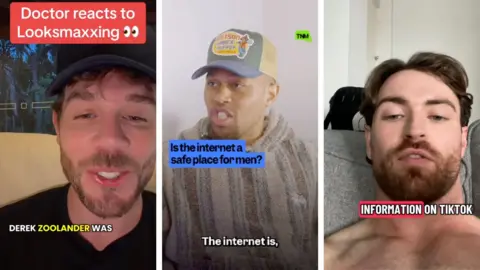
Emerging online communities foster terms like 'healthmaxxing' and 'looksmaxxing', focusing on optimizing appearance through often dangerous methods. But countering this trend, a new wave of health-focused influencers is gaining traction.
According to research from the men's mental health charity Movember, nearly two-thirds of young men aged 16-25 actively engage with masculinity influencer content. Yet, healthcare professionals are now critiquing this harmful phenomenon.
Dr. Michael Mrozinski, with years of experience as a sports physician, expressed concern over the extremes taken by some influencers, warning against practices like facial bone modification. Mrozinski likened these trends to a monster that has evolved from reasonable fitness advice.
James Brash, a nutritionist and content creator, targets misinformation propagated by influencers and aims to present balanced advice that encourages healthy lifestyle changes without promoting toxic masculinity.
Meanwhile, Steven Abelman promotes a return to 'primal lifestyles', using his platform to combat what he views as a societal decline in masculinity.
Ben Hurst from Beyond Equality seeks to redefine masculinity, encouraging diverse representations that prioritize kindness and compassion alongside strength.
As the discourse on masculinity shifts, these counter-influencers strive to steer the conversation toward health, wellness, and positive self-image, hoping to influence the next generation of men positively.
Information and support are available from various organizations for those struggling with eating disorders and mental health issues.