In brief
Witnessing the stunning dance of the Northern Lights is a breathtaking experience; however, the solar storms that create this phenomenon can also have devastating impacts on modern technology, from disrupting power grids to affecting air travel. Recent incidents highlight the risks, with researchers warning that larger solar events may be on the horizon.
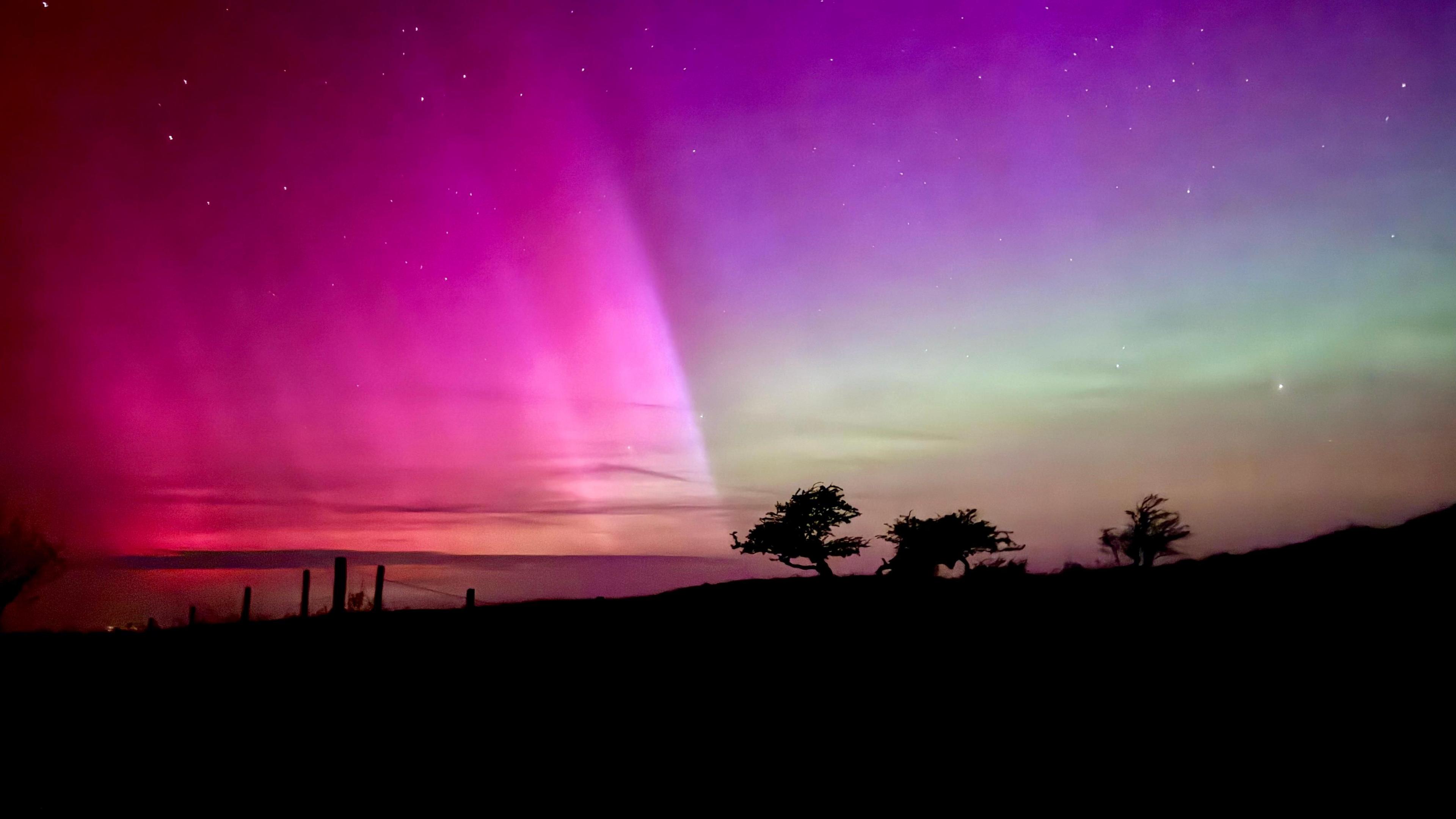
Witnessing a dazzling display of the Northern Lights with vivid sheets of color dancing across the night sky is a real treat for those lucky enough to be in the right place at just the right time.
But the charged particles hurled into space by our tempestuous Sun—the particles that create the aurora borealis—can also unleash very rare but extremely disruptive events here on Earth.
Electricity supplies, satellites, and air travel can all be affected by the most violent solar storms.
Recently, 6,000 planes were grounded by Airbus, requiring a software update after one of their planes experienced a sudden drop in altitude in October thought to be caused by interference from intense solar radiation.
This kind of disruption is something that scientists and governments are actively researching and planning for.
What damage can solar storms cause?
The UK government publishes The National Risk Register, a list of serious hazards that could affect the country at some point in the future. Among risks such as nuclear incidents and disease outbreaks sits the threat of severe space weather.
Much of the planning for severe space weather is based on the Carrington Event of 1859, the most intense geomagnetic storm in recorded history. It caused telegraph operators to suffer electric shocks and led to widespread electricity interruptions.
Stronger solar storms can impact satellites, causing them to slow down and potentially fall back to Earth. In February 2022, a solar storm led to the loss of 38 satellites.
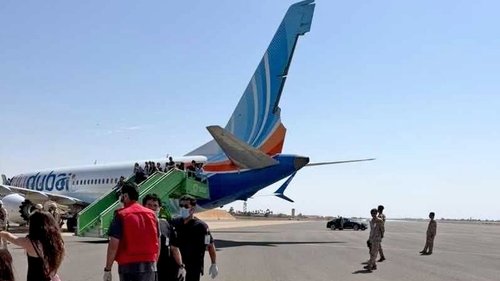
Without GPS, aviation safety would be compromised, as demonstrated by a recent JetBlue Airlines incident where a plane unexpectedly lost altitude, resulting in injuries for some passengers.
What are the chances of another Carrington event?
In July 2012, a Carrington-class event narrowly missed Earth, but researchers warn that even larger events could occur, posing significant threats to modern society.
All these risks highlight the importance of continued research and preparedness for the future impacts of space weather, underscoring both the beauty and peril associated with the phenomena of the solar system.