In brief
The year 2026 is set to dazzle skywatchers with astronomical phenomena including three supermoons, a ring-of-fire eclipse, and a total solar eclipse. NASA's upcoming Artemis mission will see astronauts exploring the moon, while new robotic landers are poised to enhance our lunar knowledge. Additionally, a parade of planets and increased chances for auroras paint an exciting picture for both amateur and seasoned astronomers.
CAPE CANAVERAL, Fla. — The celestial calendar for 2026 is lined with magnificent events that are sure to captivate astronomy enthusiasts and the general public alike. At the forefront is an array of lunar and solar phenomena set to grace our skies.
NASA is gearing up for a bold venture as the first astronauts are set to embark on a lunar mission since the Apollo era. This monumental journey kicks off early in the year, with a key focus on exploring previously unseen areas of the moon’s far side. Their observations will yield vital information for future lunar missions, as stated by mission commander Reid Wiseman.
The moon will steal the spotlight with its first supermoon on January 3, alongside an anticipated blue moon in May. Supermoons offer a spectacular sight, appearing larger and brighter as they orbit closer to Earth.
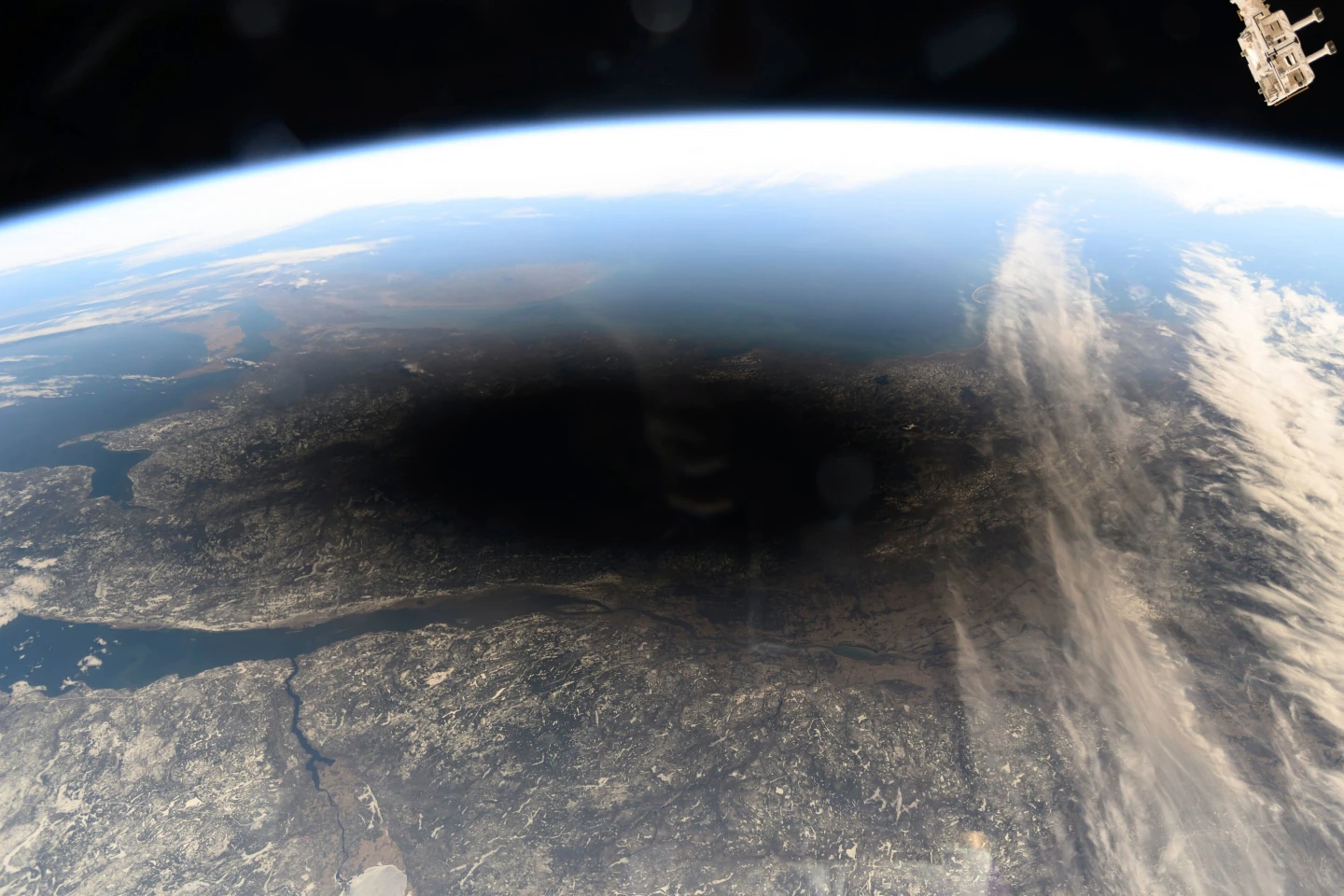
Meanwhile, the sun will showcase its own grandeur with a ring-of-fire eclipse on February 17, visible primarily in Antarctica, and a total solar eclipse on August 12 that will journey across the Arctic and parts of Europe and Africa.
In addition, planetary alignments will add to the show, with six out of the eight major planets forming an impressive lineup in late February. Not to be missed, Mars will make its appearance in an August planetary parade.
Yet another interstellar highlight is the tail-end visibility of the comet 3I/Atlas, anticipated to fade out after a brief appearance near Earth.
In anticipation of these celestial wonders, space scientists are excited about the data gathered from solar eruptions and geomagnetic activity contributing to stunning auroras here on Earth. With a comprehensive calendar filled with supermoons, eclipses, and planetary lineups, 2026 promises to be an extraordinary year for stargazers.