In brief
The sudden resignation of N Chandrasekaran has left Tata Sons without a chief, forcing the group to seek a successor able to navigate a complex portfolio and internal conflicts. Tensions between the controlling Tata Trusts and the company board over public listing and capital allocation for bleeding businesses like semiconductors and aviation have heightened the urgency. Analysts warn that the transition will not only reshape governance but also determine whether the conglomerate can turn its cash‑burning ventures profitable and realign the Trusts’ relationship with operations. With transparency gaps dented the brand, stakeholders now demand clear communication and decisive action.
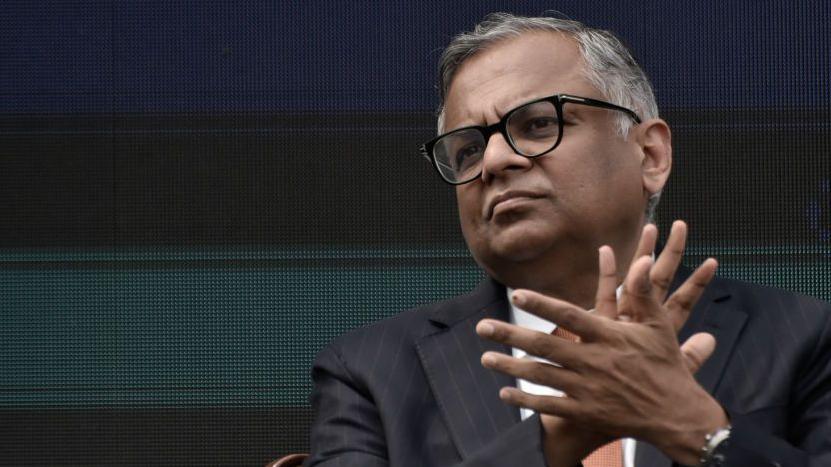
The recent resignation of Tata Sons chairman N Chandrasekaran, following a dead‑lock with the Tata Trusts, has left India's $300bn conglomerate without a chief, setting the stage for a high‑stakes search.
Disagreements over the company’s public listing plan and how capital should be allocated to unlisted ventures—such as semiconductors, e‑commerce and aviation—have broadened the rift. These new businesses are currently bleeding money, cutting into cash flow from legacy assets like Tata Consultancy Services.
The next leader must bridge the gap between the Trusts, which hold controlling shares, and the Tata Sons board, while steering an empire that owns Jaguar Land Rover, Air India, and manufacturing contracts for Apple.
Experts argue the challenge extends beyond succession: the loss‑making new businesses now exceed the cash generated by older units, demanding a strategic shift that can either scale, exit or overhaul these ventures.
Internal candidates exist, yet many executives feel a ‘plug‑and‑play’ fit will be hard to find. External contenders may bring fresh insight but must quickly adapt to Tata’s layered governance and stakeholder expectations.
Stakeholders now face prolonged uncertainty. Clear, consistent communication about strategic direction, investment plans and the path to profitability is crucial to restore confidence and protect the group’s brand reputation.
Without a defined succession roadmap, the group’s image has already suffered, underscoring the urgency for swift, decisive leadership.
The succeeding chairman will set a tone for whether to double down on ambitious bets, determine exit points and realign the relationship between the Tata Trusts and operating company for a cohesive future.