The recent announcement from Hamas about delaying the next group of hostage releases has triggered a wave of concern regarding the fragile ceasefire in Gaza. In its social media disclosures, the group has branded this decision as a strategic "warning" to Israel, granting mediators extra time to persuade the Israeli government to meet its obligations. Despite this cautionary tone, Hamas insists that the possibility of future releases remains intact.
The underlying issues contributing to this standoff are manifold. For instance, Hamas has voiced grievances over Israel's delays in allowing displaced individuals to return, continued fire on civilians, and the obstruction of specific humanitarian aid. Moreover, some Palestinian representatives, who are not affiliated with Hamas, have highlighted Israel's reluctance to facilitate temporary housing for the thousands of homeless people in Gaza due to destruction caused by the ongoing conflict.
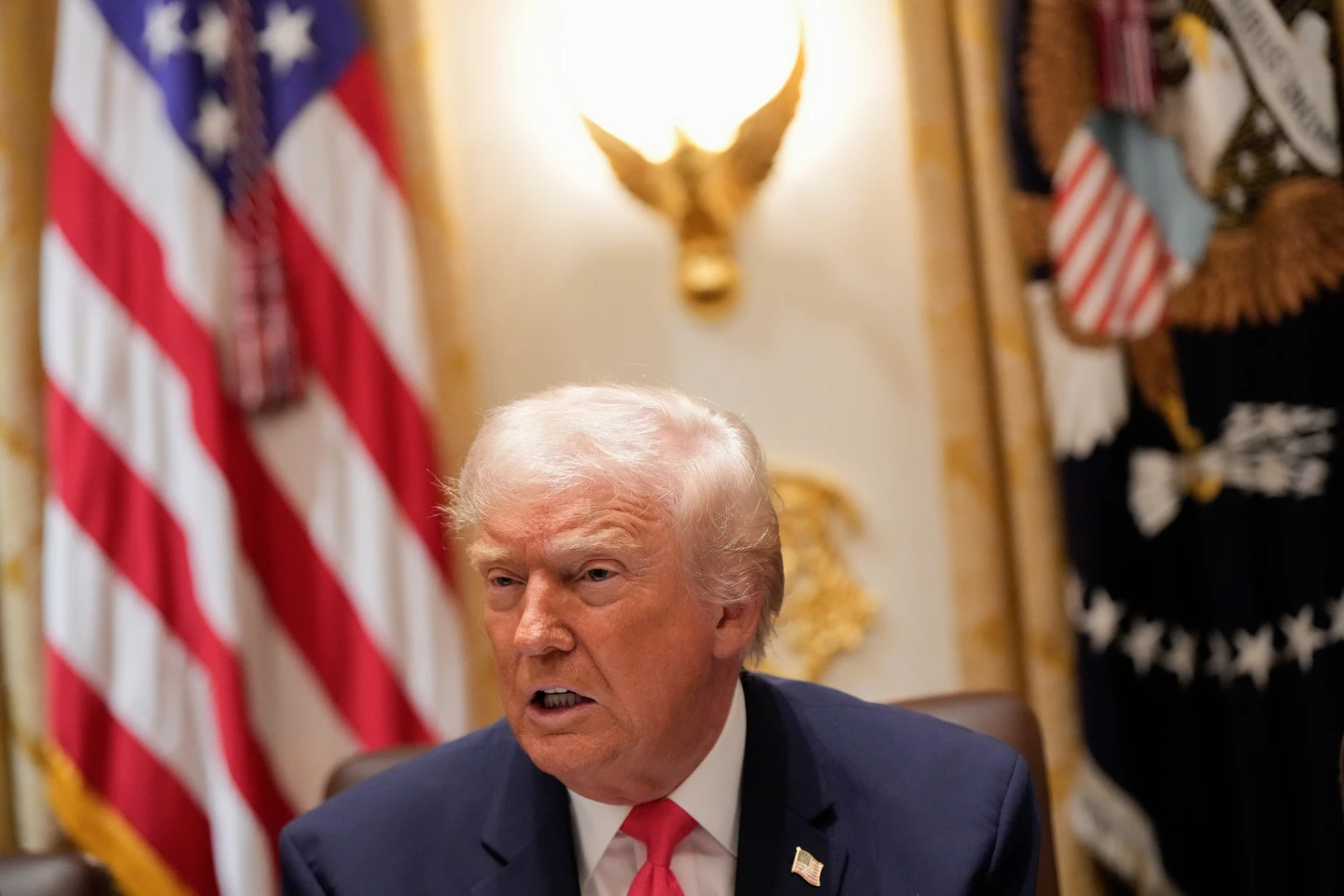
Amidst these tensions, the Israeli leadership has begun discussing initiatives aimed at relocating civilians from Gaza as part of reconstruction efforts. This approach has sparked fears among Palestinians of potential forced evacuations. Such anxieties have only intensified with the intervention of former U.S. President Donald Trump, who has made provocative statements suggesting the mass relocation of Palestinians during rebuilding efforts for Gaza.
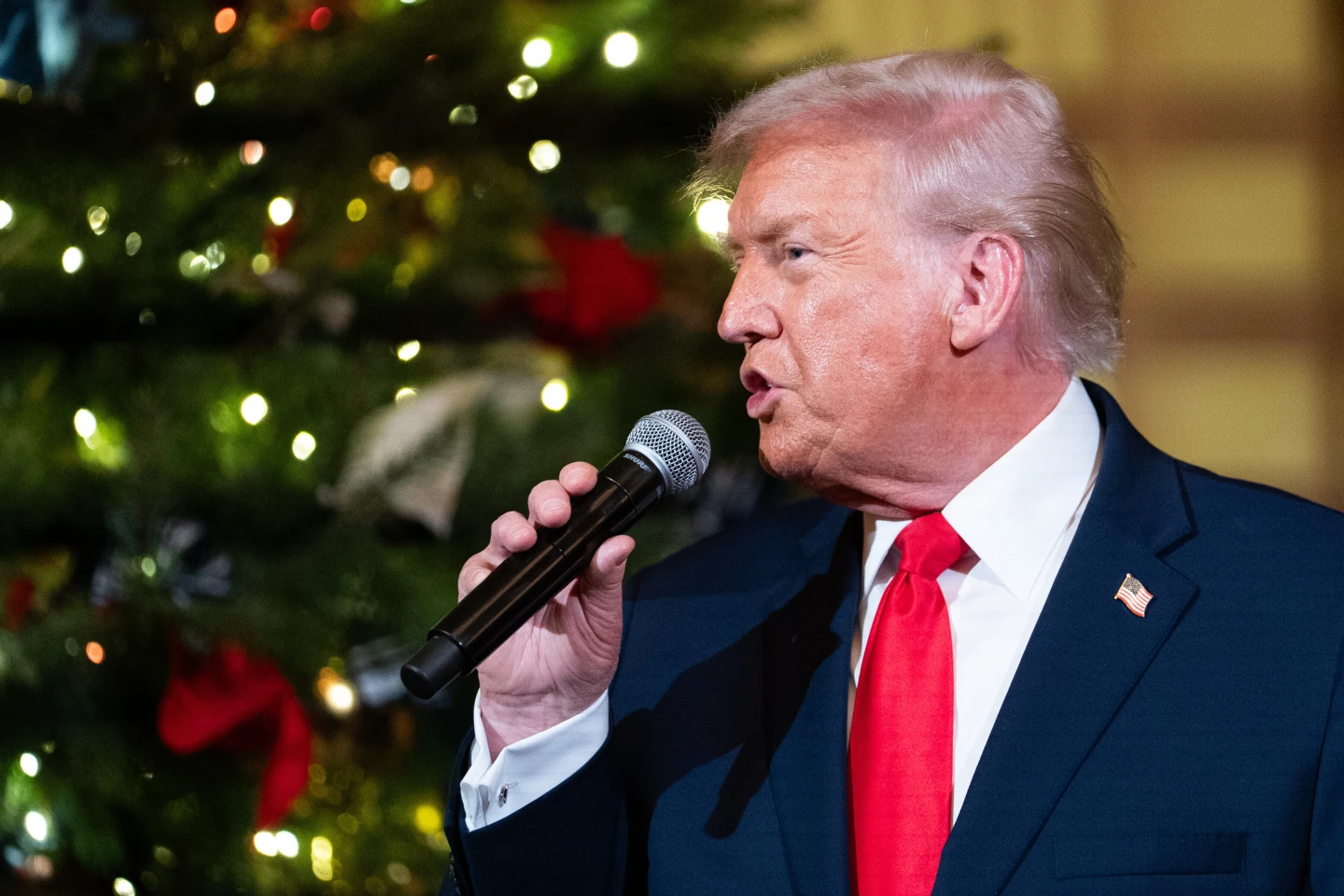
Trump's evolving narrative claims that if hostages are not released by the stipulated deadline, he may propose to terminate the ceasefire, igniting fears of resumed violence. He has made it clear that his suggestions represent personal viewpoints but have the potential to influence Israeli actions, raising alarms that military force may be employed to ensure Gaza is vacated of civilians if hostages remain unreturned.
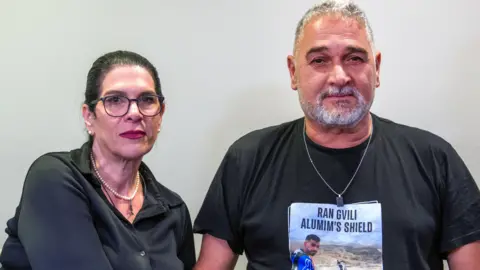
Faced with the prospect of returning to warfare, Hamas may question the viability of continuing discussions regarding the remaining hostages. For families of those still held captive, the uncertainty created by the ongoing deadlock and Trump's impactful rhetoric causes increasing distress. One relative, Dudi Zalmanovich, expressed a desire for Trump to take a more subdued approach, fearing it could make Hamas more obstinate in their negotiations.
On the Israeli front, skepticism prevails regarding Hamas's intentions behind the delay in hostage releases. The recent visual exposure of weakened hostages has led to apprehensions that the organization may wish to withhold further releases to obscure the conditions of the remaining captives. Meanwhile, concerns have been echoed by former U.S. Secretary of State Antony Blinken, who cautioned that Hamas has potentially replenished its ranks even as losing soldiers throughout the conflict.
Given the intricacy of the situation, while it initially appeared that the ceasefire process would progress positively, it now appears that it is approaching a precarious juncture. With each passing day, the atmosphere grows heavier with anticipation of potential resurgence in conflict.
The underlying issues contributing to this standoff are manifold. For instance, Hamas has voiced grievances over Israel's delays in allowing displaced individuals to return, continued fire on civilians, and the obstruction of specific humanitarian aid. Moreover, some Palestinian representatives, who are not affiliated with Hamas, have highlighted Israel's reluctance to facilitate temporary housing for the thousands of homeless people in Gaza due to destruction caused by the ongoing conflict.
Amidst these tensions, the Israeli leadership has begun discussing initiatives aimed at relocating civilians from Gaza as part of reconstruction efforts. This approach has sparked fears among Palestinians of potential forced evacuations. Such anxieties have only intensified with the intervention of former U.S. President Donald Trump, who has made provocative statements suggesting the mass relocation of Palestinians during rebuilding efforts for Gaza.
Trump's evolving narrative claims that if hostages are not released by the stipulated deadline, he may propose to terminate the ceasefire, igniting fears of resumed violence. He has made it clear that his suggestions represent personal viewpoints but have the potential to influence Israeli actions, raising alarms that military force may be employed to ensure Gaza is vacated of civilians if hostages remain unreturned.
Faced with the prospect of returning to warfare, Hamas may question the viability of continuing discussions regarding the remaining hostages. For families of those still held captive, the uncertainty created by the ongoing deadlock and Trump's impactful rhetoric causes increasing distress. One relative, Dudi Zalmanovich, expressed a desire for Trump to take a more subdued approach, fearing it could make Hamas more obstinate in their negotiations.
On the Israeli front, skepticism prevails regarding Hamas's intentions behind the delay in hostage releases. The recent visual exposure of weakened hostages has led to apprehensions that the organization may wish to withhold further releases to obscure the conditions of the remaining captives. Meanwhile, concerns have been echoed by former U.S. Secretary of State Antony Blinken, who cautioned that Hamas has potentially replenished its ranks even as losing soldiers throughout the conflict.
Given the intricacy of the situation, while it initially appeared that the ceasefire process would progress positively, it now appears that it is approaching a precarious juncture. With each passing day, the atmosphere grows heavier with anticipation of potential resurgence in conflict.