In brief
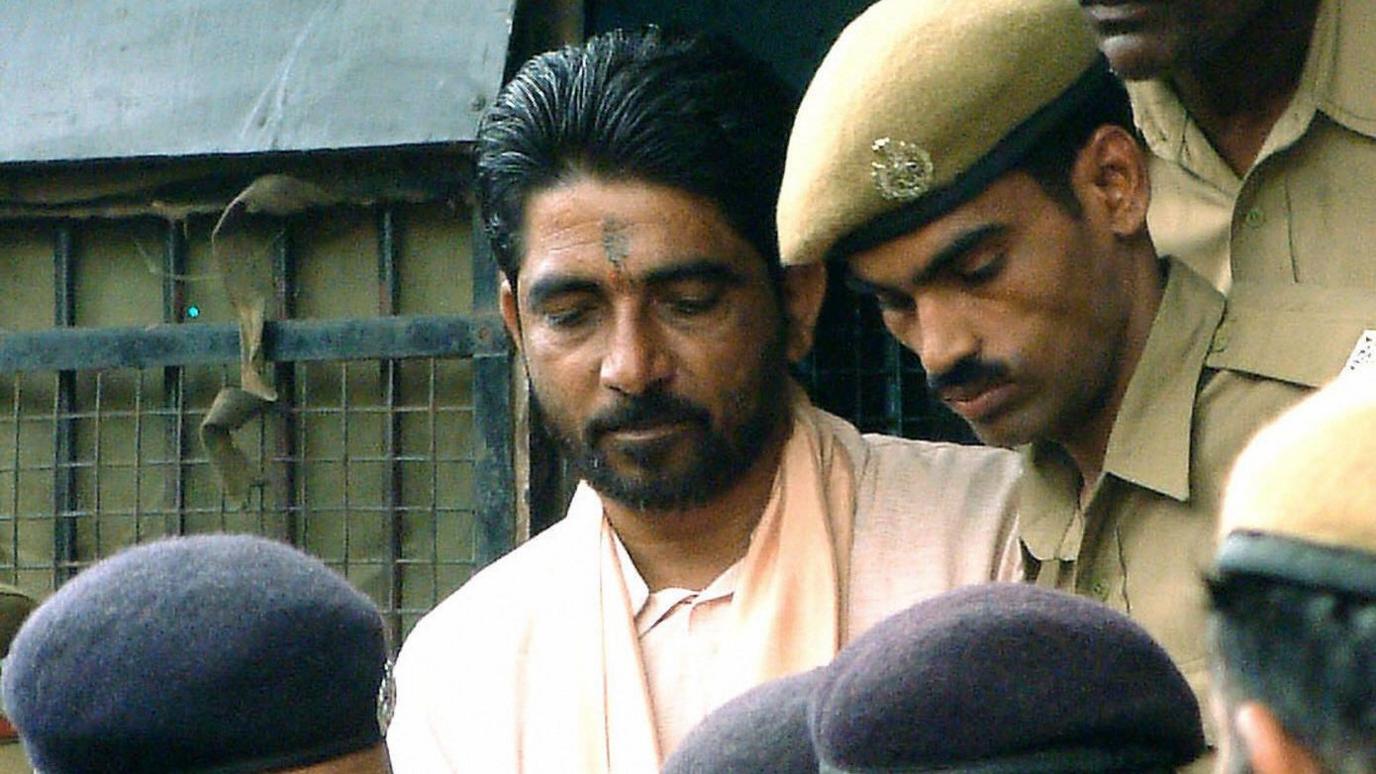
In a shocking 1999 incident, four Hindus led by Dara Singh murdered Australian missionary Graham Staines and his two sons by burning them alive in Odisha. Thirty‑year later, the Supreme Court will weigh a plea for remission submitted by Singh, who claims remorse after spending 25 years in prison. The decision carries enormous implications for India’s Christian community and the country’s history of communal violence. While Singh’s supporters argue that his sentence should be commuted, many fear that a release would reopen wounds and challenge the rule of law. The case also highlights the broader tensions between religious minorities and hard‑line Hindu groups.
A decade after the infamous 1999 murder of Australian missionary Graham Staines and his two sons in Odisha, India’s Supreme Court is set to weigh a remission petition by the key accused, Dara Singh.
Staines, who had dedicated 30 years to fighting leprosy, was burned alive inside a jeep by a mob of 60–70 people led by Singh in Manoharpur, a remote village in Keonjhar district. The atrocity sent shockwaves through the nation’s minority Christian population and drew condemnation worldwide.
Singh, who serves a life sentence after a trial court originally imposed the death penalty, has claimed remorse in a 2024 petition to the final court, citing good conduct and the passage of 25 years in custody.
The request faces scrutiny amid a climate of distrust among Christian communities, many of whom cite past incidents of anti‑Christian violence, such as the 2008 riots in Odisha, as a reason for caution.
If the Supreme Court grants the remission, it would not only raise questions about the fairness of India’s criminal justice system but also re‑ignite debates about communal tensions in a region where religious minorities remain vulnerable.
As the final hearing looms, observers from legal experts, human‑rights organisations and the Christian diaspora await a decision that could either affirm the promise of rehabilitation or reinforce the need for stringent safeguards against sensationalist justice.