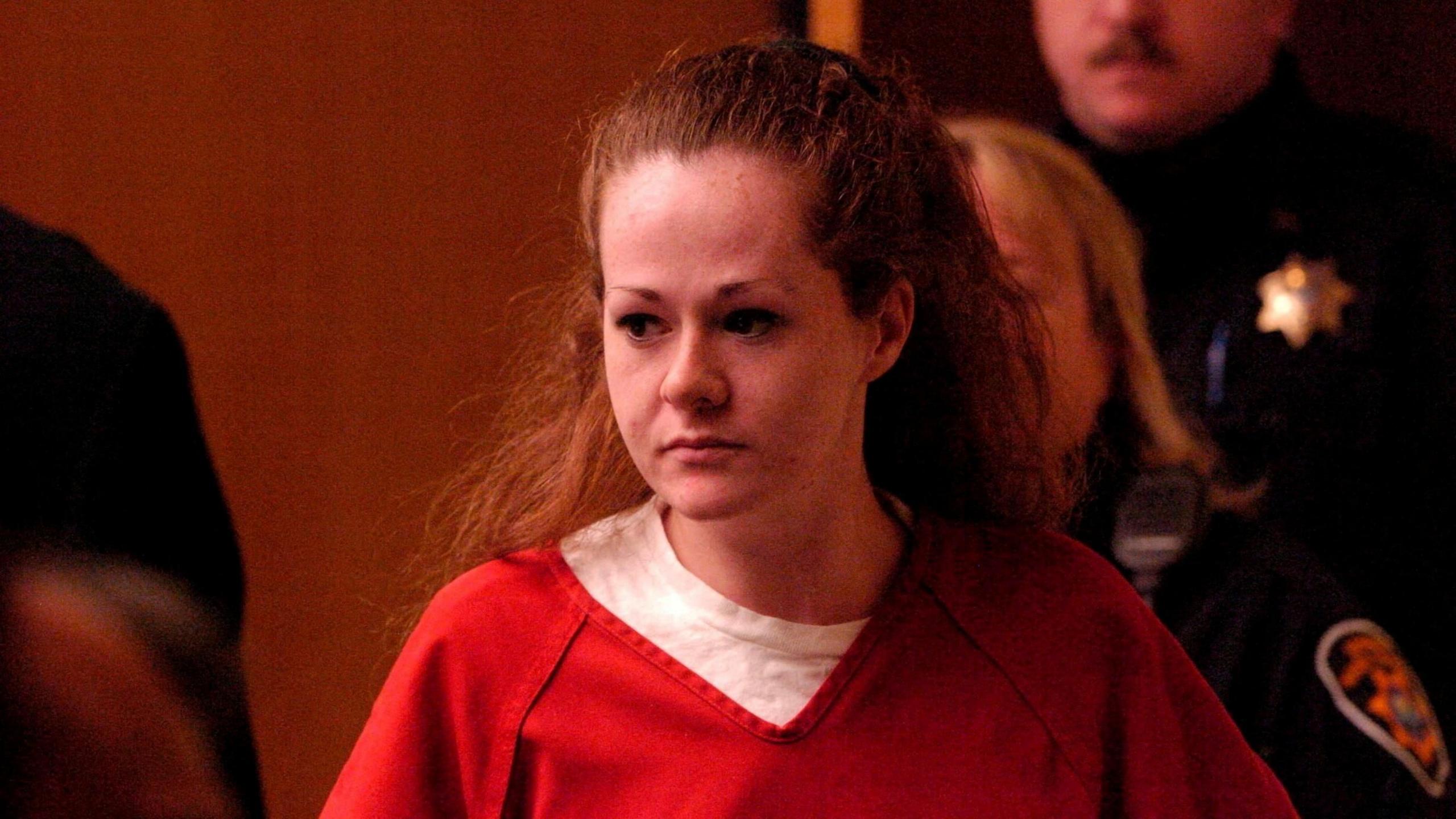
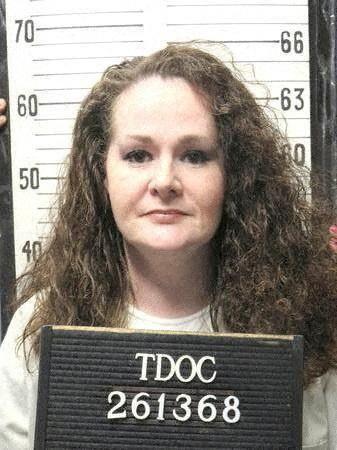
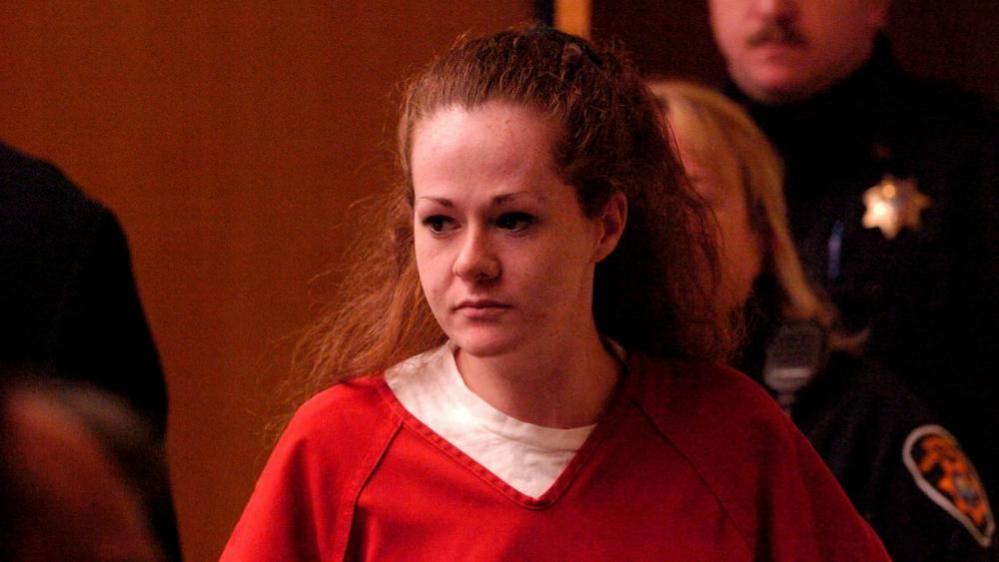
Christa Pike, a 50‑year‑old death‑row inmate in Tennessee, was discharged from hospital after a botched execution attempt on 30 September.
Two lethal injections of pentobarbital failed to kill her, leaving her in a critical condition that required emergency treatment. Pike regained consciousness earlier this week and began speaking, shocking medical staff and her legal team.
Pike had spent the last 30 years on death row for the 1996 murder of 19‑year‑old college student Colleen Slemmer. She was the first woman scheduled for execution in Tennessee in over 200 years.
Her case now sits in uncharted legal waters. Tennessee officials have yet to explain why the injections failed, though the state defends its chosen method. Pike’s lawyers are renewing calls for her sentence to be commuted to life imprisonment without parole.
“The first responders and medical team provided extraordinary care under these unusual circumstances,” said one lawyer. Although she is back in prison, Pike will continue to receive ongoing medical care while she awaits future legal decisions.
A court hearing on Wednesday ordered the state to preserve all evidence related to the failed injections, potentially providing grounds for a lawsuit.
Pike’s experience has reignited debates about the ethics and reliability of lethal‑injection protocols. No other known inmate has survived a botched execution, raising questions about the safety and humanity of the death penalty in the United States.
She has expressed anger and confusion over the ordeal, and her legal team stresses the substantial toll the event has taken on her physical and mental health.
The case underscores the growing scrutiny of criminal justice practices and the legal system’s adaptation to unprecedented scenarios in modern era."
Christa Pike Survives Botched Execution, Discharged From Hospital
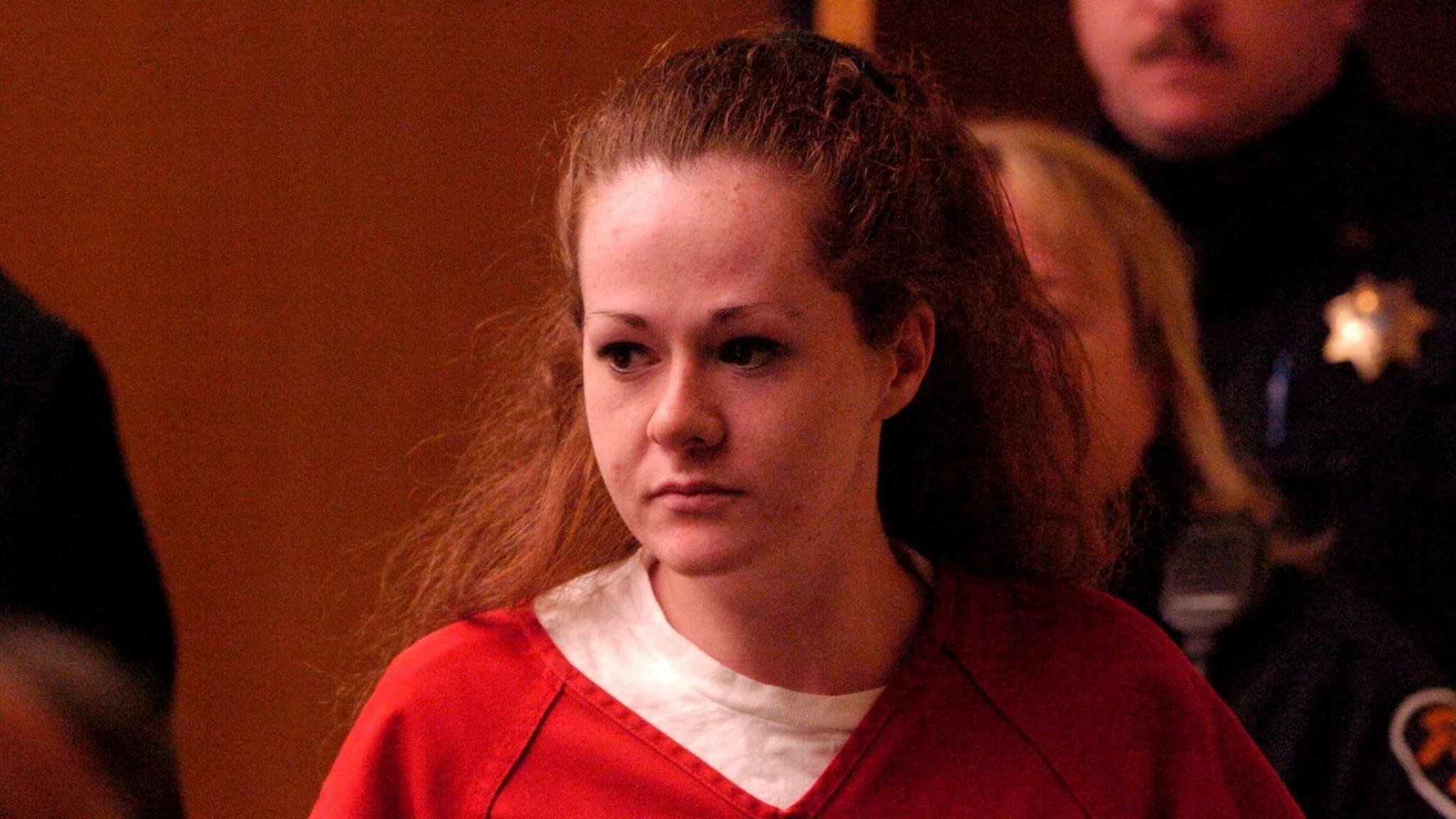
Christa Pike Survives Botched Execution, Discharged From Hospital
A Tennessee death‑row inmate survived two lethal injections on Sept. 30, recovers in hospital, and returns to prison after a fight over execution protocol.
Christa Pike, 50, survived a failed execution attempt in Tennessee after two injections of pentobarbital failed to kill her. She was rushed to a local hospital in critical condition, regained consciousness, and has been discharged back to prison, where she will continue to receive medical care. The incident places Pike in an unprecedented legal and medical position as the only person known to have survived a lethal‑injection execution. Tennessee officials have not yet explained why the injections failed, and her lawyers are pushing for a commutation of her death sentence. The case highlights the ongoing controversy surrounding lethal‑injection protocols in the United States.