In brief
Moscow has moved against two voices of dissent. Blogger Ilya Remeslo, who suddenly called former president Vladimir Putin a war criminal, is held in pre‑trial detention for two months on charges of spreading false information. Meanwhile former MP Boris Nadezhdin, jailed for displaying extremist symbols, is barred from gathering signatures for a parliamentary run and fined a modest amount. These actions highlight the tightening legal environment for opposition in Russia amid growing uncertainty about the war in Ukraine.
In a stark reminder of Russia’s tightened policy over dissent, two high‑profile opponents of the war are now under arrest. Both cases signal the Kremlin’s intent to silence criticism of its military policy.
Ilya Remeslo, a blogger hitherto known for his support of President Vladimir Putin, shocked many by publicly declaring himself a war criminal in March 2026. The post was a reversal that called for the president’s resignation and a series of accusations against the state’s wartime conduct. Now, he is in pre‑trial detention for two months, accused of “spreading false information” about the armed forces.
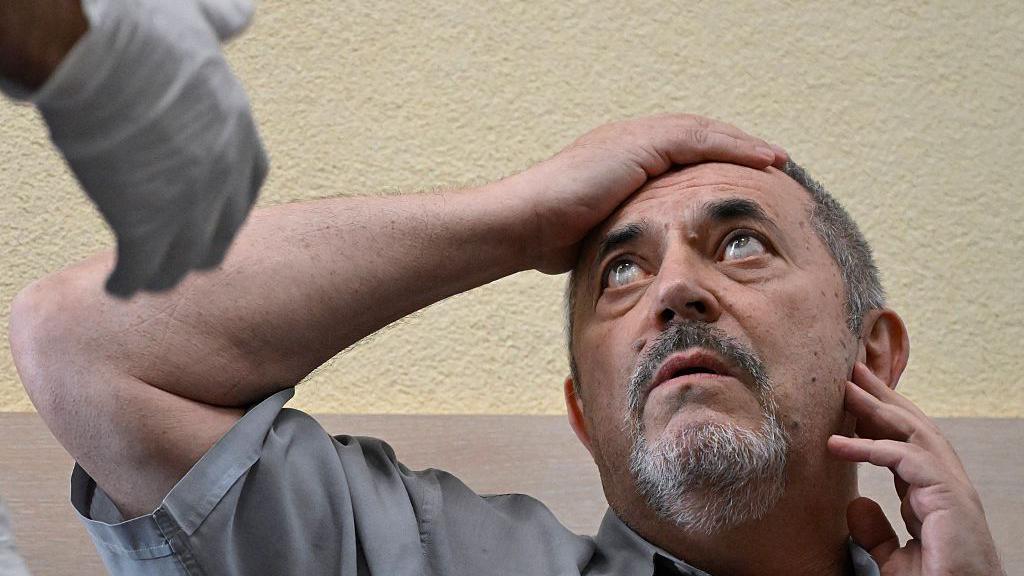
Former Member of Parliament Boris Nadezhdin has also been targeted. Prosecutors charged him with “displaying extremist symbols,” a conviction that doles out a fine of 1,000 roubles (£9.50) and bars him from collecting signatures needed for a parliamentary bid in September. The ruling effectively stops him from running in the Duma and curtails his participation in the political process.
Nadezhdin’s opposition to the war has made him a visible figure in the small circle of active Russian dissent. Though his earlier presidential campaign was blocked over alleged signature falsification, the legal system’s latest move closes one window on public activation. The case underscores a landmark crackdown on voices that question Russia’s war policy.
People familiar with the proceedings note that the conviction for extremist symbols could have, in the past, halted Nadezhdin’s candidacy outright. His appeals remain open, but the frozen status of his accounts prevents payment of the fine, amplifying the already dire financial implications for independent political actors.
Together, the detentions highlight how Russia is systematically removing available domestic opposition as the war drags on. The legal stereotypes used—spreading false information, extremist symbols, foreign agent status—all serve a broader aim: to maintain a silenced public sphere where dissent is costly and risky.