In brief
As the demand for personalized clothing rises, experienced tailors like Kil Bae are becoming a rarity. Professional sewers, dressmakers, and tailors face a workforce decline in the U.S., with increased interest in alterations due to shifts in consumer habits and body sizes. Retailers are beginning to invest in training new tailors to preserve this craft, while many young people shy away from pursuing it.
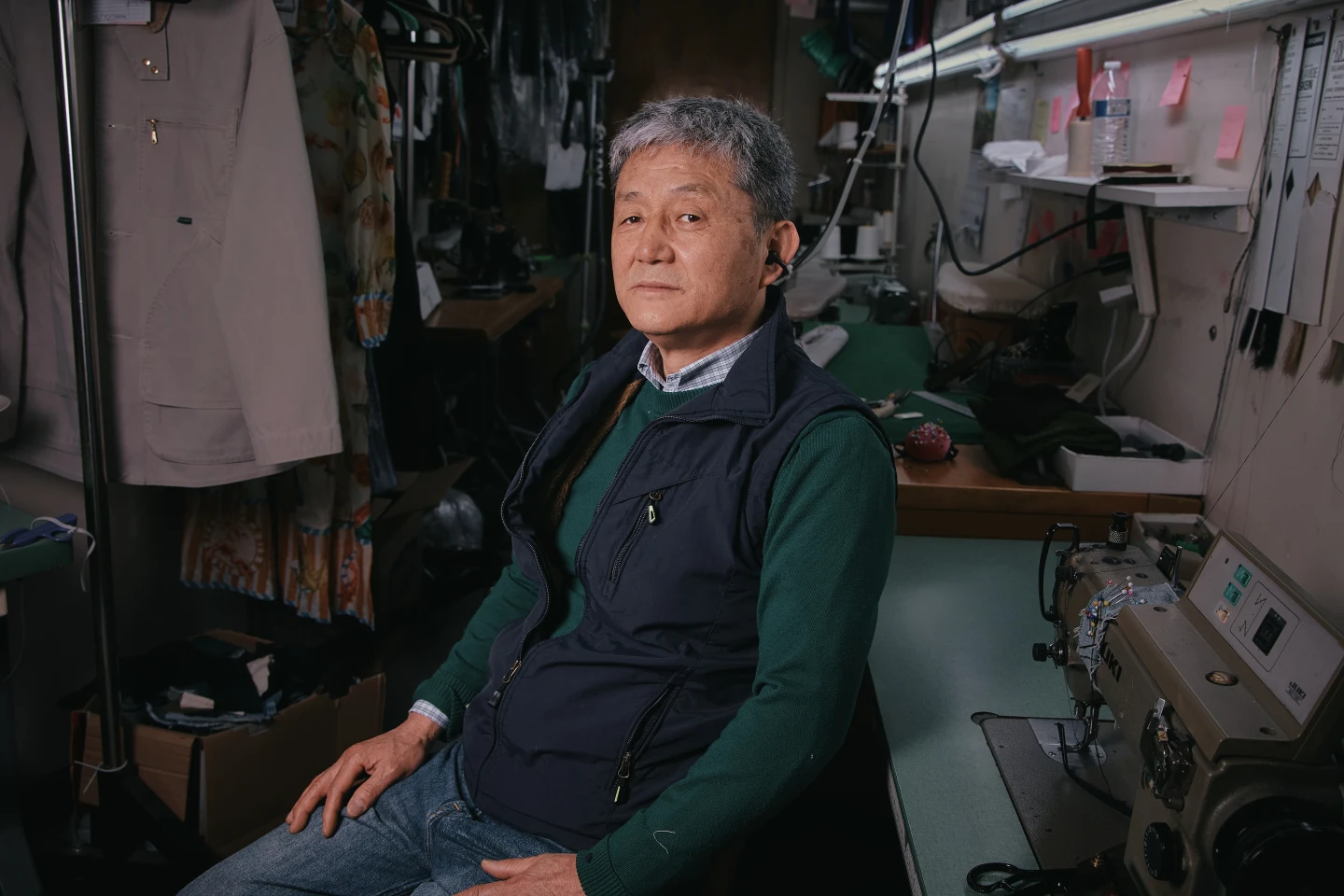
NEW YORK (AP) — At his tailor shop in Manhattan, Kil Bae focuses intently on hemming a vintage Tommy Hilfiger jacket brought in by a customer. Once a merchandise find at a thrift store for just $20, the customer is willing to invest $280 for tailored adjustments, a sign of the growing appreciation for custom fit in fashion.In his shop, 85 Custom Tailor, Bae employs traditional techniques honed over decades, having started at 17 in his homeland of South Korea. Now at the age of 63, he is emblematic of a dying breed of artisans, as the number of professional sewers and tailors in the U.S. continues to dwindle. According to statistics, the sector has seen a 30% drop in the last decade, with aging professionals and meager interest from younger generations exacerbating the issue.In contrast to the rise of fast fashion, an increasing number of shoppers are turning to tailors for personalized adjustments reflecting their unique tastes, including modifying off-the-rack clothing and revitalizing secondhand garments. Bae notes how the popularity of weight-loss medications has led to a demand for tailored fits, as more individuals seek adjustments in their wardrobe.Despite the changing landscape, the profession struggles to attract new talent, with garments crafted by hand requiring extensive skill and patience. The average income for tailors falls behind many other professions, which discourages potential newcomers.Prompted by a shortage of skilled labor, brands like Nordstrom are investing in future generations. They have partnered with institutions like the Fashion Institute of Technology to provide hands-on training in advanced tailoring techniques, aiming to preserve the artistry now lacking in mainstream fashion.However, the path to reviving this craft is steep. Many young people, influenced by technology and contemporary job markets, opt instead for careers perceived as more lucrative and less manual.Bae himself tries to inspire his son to enter the craft, lamenting that the allure of computer jobs is too great for the younger generation. He finds joy and creativity in tailoring, viewing each garment as a canvas and holds hope for the sustainability of this art form as he packages the refurbished jacket for his customer.