In brief
Rap lyrics have been increasingly used in court cases to establish connections between defendants and crimes, often viewed as autobiographical rather than artistic. Critics argue that this practice feeds into racial biases, affecting juror perceptions. The case of James Broadnax, on Texas' death row, underscores these concerns as his lyrics were pivotal in seeking a death sentence. Advocates call for legislative changes to protect artistic expression in legal settings.
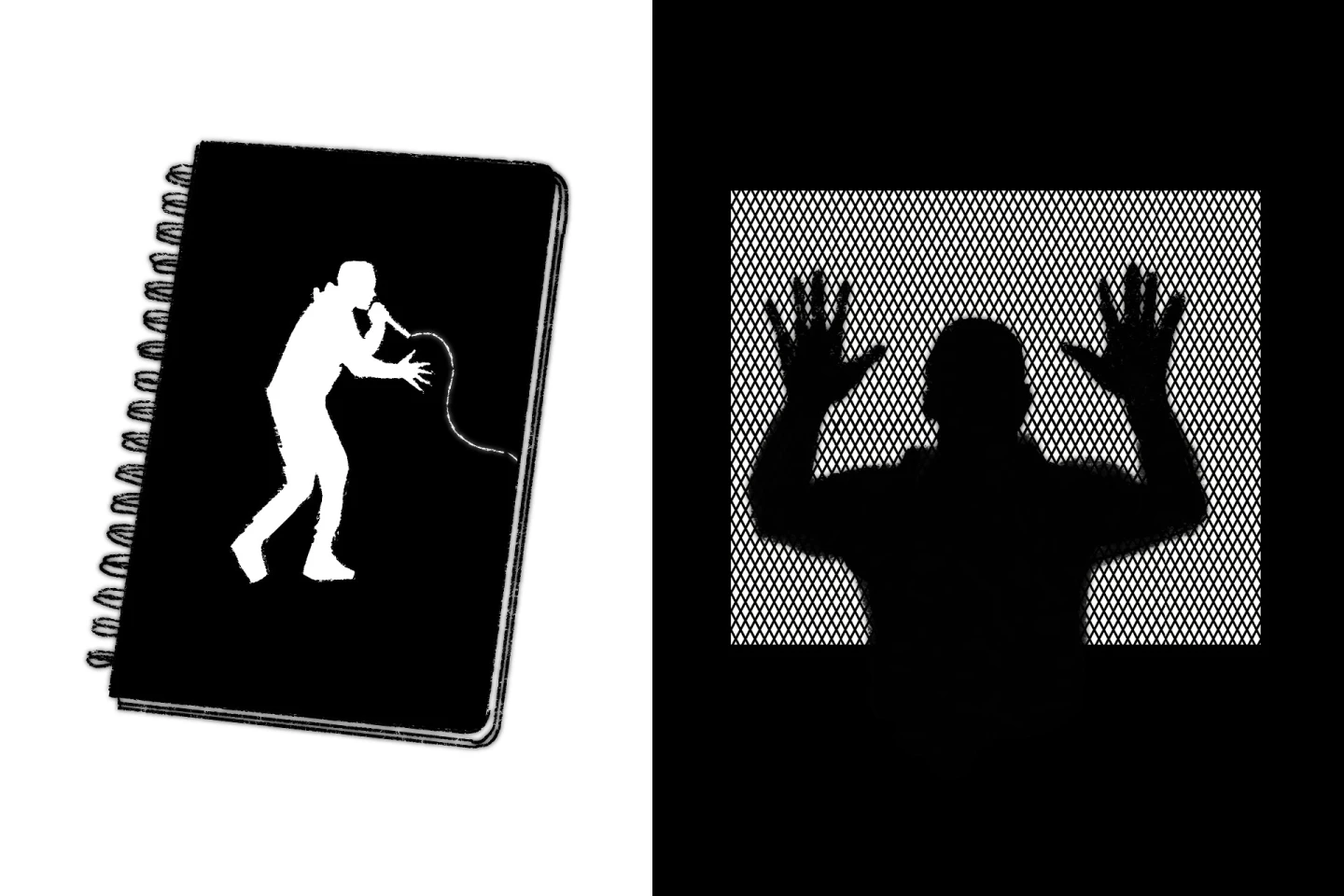
In a troubling trend, rap lyrics have been wielded as evidence in criminal trials, most notably in the case of James Broadnax, who faces execution based on lyrics alleged to reference gang affiliations and violence. These lyrics, including personal thoughts and job leads written in Broadnax's notebook, are presented by prosecutors to argue for a death sentence, despite his defense claiming such usage is racially biased.
Error and misunderstanding surround how the art form of rap is treated in the judicial system. Critics argue that using rap lyrics in trials diminishes their artistic merit, wrongly categorizing them as autobiographical. Experts like Erik Nielson, co-author of the book 'Rap on Trial,' assert that this practice underscores prejudices against young men of color, suggesting they lack sophistication in addressing complex literary devices.
Over the past 50 years, rap lyrics have appeared in hundreds of court cases across the U.S., whereas similar instances with other music genres remain rare. For example, research indicates that defendants are often depicted negatively, with jurors biased by the cultural stereotypes around rap music. In some cases, if lyrics are written before a crime, they are used to suggest motive; if they come after, they are seen as confessions, creating a no-win situation for defendants.
Broadnax's pending appeal to the U.S. Supreme Court emphasizes the potential racial bias involved in how rap lyrics are interpreted in legal contexts. His legal team posits that these lyrics have unfairly swayed jurors, who may harbor preconceived notions regarding African American culture and artistry.
High-profile cases illustrate this issue further. Rapper Young Thug's lyrics were used against him in gang-related charges, leading to widespread discussions about the implications this trend has for Black artists and those who create in similar genres. The rise of legislation, like Maryland's recent bill, aims to offer protections for artistic expression in the legal system, striving to mitigate biases linked to race and creativity.