In brief
Tyler Robinson, accused of murdering activist Charlie Kirk, is asking a judge to remove cameras from the courtroom, claiming that live broadcasts are compromising his right to a fair trial. As media coverage continues to sensationalize the case, Robinson's attorneys insist that the public scrutiny harms his chances for an unbiased jury. The prosecution plans to seek the death penalty if Robinson is convicted, which adds further tension to the ongoing legal proceedings.
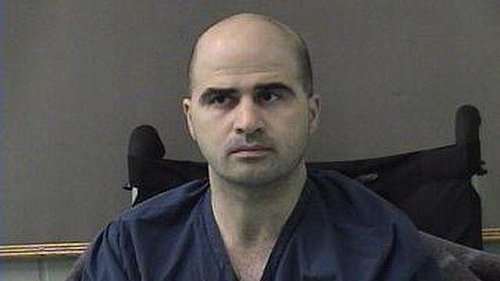
SALT LAKE CITY (AP) — Tyler Robinson, the man accused of fatally shooting Charlie Kirk, is requesting that a judge prohibit cameras from the courtroom, citing concerns over fair trial rights amid a wave of media coverage.
Scheduled for a court appearance on Friday, Robinson's defense team intends to emphasize that the extensive coverage around his aggravated murder case is potentially swaying jurors. They highlight a recent New York Post article that allegedly misinterpreted courtroom conversations during Robinson’s first appearance as a confession to the crime.
“The primary impact of live coverage is not to inform the public but rather to sensationalize the case and vilify Mr. Robinson," his legal team stated in a motion to object to camera presence.
If convicted, prosecutors plan to push for the death penalty in connection with the September 10 shooting of Kirk, who was addressing a large audience at Utah Valley University in Orem.
The media's portrayal of the case has sparked discussions around the balance between a transparent trial and the defendant's rights. Both the prosecution and media representatives argue for continued public access through cameras to prevent misinformation and conspiracy theories surrounding the trial process.
Judge Tony Graf has already expressed concern over camera operations, having halted them in previous hearings after protocol violations occurred.
Robinson has not entered a plea, and his legal team is advocating for further delays as evidence collection and case preparations continue.
As the situation unfolds, the balance between media access and courtroom decorum remains a focal point for the legal teams involved.